Owner’s manual





What is the biggest problem with front-load washers?
The biggest problem we see with front-load washers like the GE GFW450SSM1WW is odor caused by mold and mildew growth, usually from moisture and detergent residue trapped around the door seal and dispenser area. Regular cleaning and proper “air-out” habits prevent most of it (see the GFW450SSM1WW owner’s manual & installation instructions).
Why front-load washers get moldy or smelly
Front-load designs seal tightly for efficiency, but that also means water can linger in places that do not dry quickly.
Common odor contributors include:
- Moisture trapped in the door gasket folds
- Detergent or softener buildup in the dispenser drawer
- Too much HE detergent (oversudsing leaves residue)
- Leaving the door closed between loads
- Infrequent tub-cleaning cycles
What to do on the GE GFW450SSM1WW to prevent odors
These steps match normal care guidance for this model family:
- Run the Tub Clean cycle at least monthly (empty drum)
- Leave the door slightly open after the cycle ends
- Wipe the door gasket dry, especially the lower folds
- Remove and rinse the dispenser drawer monthly
- Use only HE detergent and reduce the amount if you see suds or residue
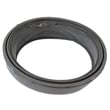
If you already have leaks or persistent odor around the seal, inspect the door boot for tears or deformation; the compatible replacement is the washer door boot WH08X23479.
Quick comparison: “biggest problem” vs. other common drawbacks
| Issue | How common | Typical fix |
|---|---|---|
| Mold/mildew odor | Very common | Cleaning routine, door ajar, Tub Clean |
| Longer cycle times | Common | Use Time Saver when available |
| Bending to load/unload | Common | Add a pedestal (if desired) |
| More complex repairs | Occasional | Use model-specific parts and diagnostics |
Why it matters
Odor and residue buildup can lead to poor wash results, leaks at the door seal, and more frequent service needs. A simple maintenance routine protects the door gasket, drain system, and overall washer performance.
Last updated: January 2026
What is the life expectancy of a GE washing machine?
A GE washing machine typically lasts 10 to 14 years with normal household use. For your GE GFW450SSM1WW front-load washer, lifespan depends most on load size, detergent use (HE only), and routine cleaning outlined in the GFW450SSM1WW owner’s manual.
What affects washer lifespan the most
We see these factors make the biggest difference for front-load washers like the GFW450SSM1WW:
- Overloading (extra strain on the tub, bearings, and suspension)
- Too much detergent (oversudsing can lead to residue, odors, and leaks)
- Skipping monthly tub cleaning (buildup can cause odor and component wear)
- Not cleaning the pump filter (can cause drain problems and pump strain)
- Hard water (more mineral buildup in the washer and dispenser)
Maintenance habits that help you reach the high end (or beyond)
Use these habits to help your GE washer reach the longest realistic service life:
- Run the Tub Clean cycle at least once per month
- Leave the door slightly open between loads to reduce moisture and odor
- Use HE detergent and measure carefully (avoid oversudsing)
- Check and clean the pump filter periodically (especially after washing small items)
- Keep loads balanced and avoid washing single heavy items by themselves
Quick lifespan expectations (typical)
| Appliance type | Typical life expectancy |
|---|---|
| Front-load washer (like GFW450SSM1WW) | 10 to 14 years |
| Top-load washer | 11 to 14 years |
Why it matters
Knowing the typical lifespan helps you decide whether to invest in maintenance and repairs (like a drain pump or door boot) versus planning for replacement, especially once the washer is past the 10-year mark.
Last updated: January 2026
How do I find the model number on my GFW450SSM1WW?
Your GE washer’s model number is printed on the appliance ID label. On the GE GFW450SSM1WW, you can find that label on the side of the washer; many units also have it inside the washer door opening. The same label typically lists the serial number.
Where to look (fast checklist)
- Check the side of the washer cabinet (the manual calls this out as a primary location).
- Open the door and look inside the washer door opening around the front frame.
- Look for a sticker that says Model and Serial.
- Write the model number exactly as shown (letters and numbers).
- If the label is hard to read, use a flashlight and take a photo to zoom in.
What the label looks like and what to record
Most GE front-load washer labels include two key fields:
| Label field | What it’s used for | Example for your washer |
|---|---|---|
| Model | Matching parts and diagrams | GFW450SSM1WW |
| Serial | Date/production tracking and service reference | Unique to your unit |
Why it matters
Using the exact model number ensures you get the correct GE washer parts and troubleshooting info for your specific configuration (controls, door components, and internal parts can vary within a series). For model and serial label location details, use the GFW450SSM1WW owner's manual.
Last updated: March 2026