Installation guide
 Owner’s manual


Why is my Whirlpool dishwasher leaking at the bottom of the door?
A Whirlpool WDT750SAHZ0 dishwasher most often leaks at the bottom of the door because of excess suds (wrong detergent or too much detergent), the dishwasher not being level, or rinse aid spilling from an overfilled dispenser. Start by correcting suds and leveling; then inspect the door latch and door seal area.
- Use only automatic dishwasher detergent (never dish soap).
- Reduce detergent if you have soft water; suds can overflow and push water past the door area.
- Confirm the dishwasher is level front-to-back and side-to-side.
- Check the rinse aid cap is seated and the dispenser is not overfilled.
- Make sure the door closes firmly and stays latched.
For model-specific operating and care guidance, follow the steps in the WDT750SAHZ0 owner’s manual.
If the quick checks do not stop the leak, focus on these items:
- Door closing and latch: A weak latch can let the door relax slightly during wash pressure.
- Lower spray pattern and loading: Tall items or a blocked spray arm can redirect water toward the door.
- Tub and door edge cleanliness: Grease and residue on the inner door edge can let water track out.
- Hinge and balance: If the door feels “light” or drops quickly, alignment can suffer.
| Symptom you notice | What it points to | Example part for WDT750SAHZ0 |
|---|---|---|
| Door does not pull in tight or pops open | Latch not holding firmly | Dishwasher door latch WPW10653840 |
| Door slams or won’t stay in position | Door balance issue | Dishwasher door balance link 8194001 |
A door-bottom leak is usually a control issue (suds, level, loading) rather than a cracked tub. Fixing the root cause prevents repeated leaks, protects flooring, and helps the dishwasher maintain proper wash pressure and drying performance.
Turn off power at the breaker and shut off the water supply if you see steady leaking, water reaching wiring, or the leak continues after detergent and leveling corrections.
Last updated: February 2026
What could be wrong with my Whirlpool dishwasher?
On a Whirlpool WDT750SAHZ0 dishwasher, the most common problems come from a door that is not fully latched, restricted drainage, poor loading or filtration, low incoming water temperature, or a fill issue (water supply off, float stuck, or excess suds). Start with the quick checks in the WDT750SAHZ0 owner's manual.
- Press Start/Resume, then push the door firmly closed within 4 seconds so the cycle actually starts.
- If you opened the door mid-cycle, press Start/Resume again and close the door within 4 seconds to resume.
- If you cancel a cycle, close the door and allow the 2-minute drain to finish (if needed).
- Confirm the water supply valve is fully on.
- Check the overfill protection float and make sure it moves freely (no utensil or debris holding it up).
- If you see foam or suds, stop and clear the suds; excess suds can prevent proper filling and washing.
| What you notice | Likely cause | What to do next |
|---|---|---|
| Won’t start or resumes poorly | Door not closed in time; latch not engaging | Re-close door firmly; if it won’t latch, inspect/replace the dishwasher door latch WPW10653840 |
| Water left in tub, slow drain | Drain restriction; air gap clogged; drain pump issue | Clean air gap and filters; if pump hums but won’t drain, check the dishwasher drain pump W10876537 |
| Dishes not clean | Loading issue; filter not seated; water too cool; wrong cycle/options | Reload, clean and reinstall filter; use proper cycle; verify hot water is at least 120°F (49°C) |
| Not drying well | No rinse aid; Heat Dry off; water pooling in cups | Use rinse aid with Heat Dry; unload bottom rack first; angle concave items |
These checks target the most frequent “no start,” “won’t fill,” “not draining,” and “not cleaning” complaints. Fixing a door-close timing issue, a blocked float, or a drainage restriction often restores normal operation without replacing major components.
Last updated: February 2026
What are the commonly replaced parts in a dishwasher?
On the Whirlpool WDT750SAHZ0 dishwasher, the most commonly replaced parts are the wash and drain components, door hardware, and rack hardware. These parts typically fail from normal wear, clogs, leaks, or repeated loading stress; regular filter cleaning helps prevent many performance-related replacements (especially draining and cleaning issues). See the WDT750SAHZ0 user manual for parts and features and routine care.
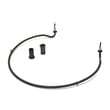
- Heating and drying: a failed heater can leave dishes wet; for this model, the element assembly W10703867 is a common fix when drying performance drops.
- Not draining: a weak or jammed drain pump can leave standing water; the dishwasher drain pump W10876537 is a frequent replacement.
- Won’t fill or fills slowly: the water inlet valve can clog or fail electrically; the dishwasher water inlet valve WPW10327249 is a common replacement.
- Door won’t latch or starts then stops: the latch can wear or misalign; the dishwasher door latch WPW10653840 is often replaced.
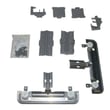
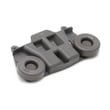
- Racks won’t roll or adjust: wheels, stops, and adjusters break from load stress; the dishwasher rack adjuster W10712395 and Whirlpool dishwasher dishrack wheel W10195416V are typical.
| Symptom | Most likely area | Example part for WDT750SAHZ0 |
|---|---|---|
| Dishes not drying | Heater circuit | Element assembly (W10703867) |
| Water left in tub | Drain path/pump | Dishwasher drain pump (W10876537) |
| No/low water fill | Fill valve/supply | Dishwasher water inlet valve (WPW10327249) |
| Won’t start, door feels loose | Door latch | Dishwasher door latch (WPW10653840) |
| Upper rack sags or won’t adjust | Rack hardware | Dishwasher rack adjuster (W10712395) |
Your dishwasher uses a two-part filtration system (upper filter assembly and lower filter). When filters are dirty, you can get gritty dishes, poor cleaning, and extra strain on the pump. Our best practice is to follow the cleaning frequency guidance in the WDT750SAHZ0 user manual and keep the sump area clear of debris.
If you are replacing an older dishwasher, it is smart to refresh the water line and drain hose during installation to reduce leak and clog risk. The WDT750SAHZ0 installation guide covers connection requirements and best practices.
Last updated: February 2026
Can I replace dishwasher parts myself?
Yes, for the Whirlpool WDT750SAHZ0 dishwasher, many common repairs are DIY-friendly if you shut off power and water first and follow the steps in the WDT750SAHZ0 owner’s manual. Simple rack and door hardware repairs are usually straightforward; electrical and plumbing repairs take more care.
These repairs are typically manageable with basic hand tools and careful reassembly:
- Upper rack hardware such as the dishwasher rack adjuster W10712395
- Rack wheels and stops (common causes of a rack that falls off track)
- Door balance and hinge hardware (when the door drops or won’t stay open)
- Drain hose routing and air gap setup (when replacing an older unit)
- Basic cleaning and maintenance items (filters, spray arm checks, tub cleaning)
We recommend extra caution on these because they involve wiring, leak risk, or tight access:
- Water supply connection and inlet valve work (risk of leaks)
- Drain pump or circulation system repairs (risk of leaks and mis-seals)
- Heating circuit issues (hot surfaces and electrical testing)
- Control and console wiring harness repairs
Before starting any repair:
- Turn off the breaker; confirm the dishwasher has no power.
- Shut off the water supply.
- Let the heating element cool; do not touch it during or right after a cycle.
- Avoid pushing down on an open door; tip-over risk is higher before the unit is fully secured.
- Keep sharp items positioned so they cannot damage the door seal.
| Repair type | Typical DIY difficulty | Common symptom |
|---|---|---|
| Rack adjusters/wheels/stops | Easy | Rack sags, binds, or comes off track |
| Door balance/hinge tension | Medium | Door drops fast or won’t stay open |
| Drain hose replacement | Medium | Leaks under sink, poor draining |
| Water inlet valve work | Medium to hard | No fill, slow fill, leaks |
| Pumps, wiring, controls | Hard | Won’t drain, won’t wash, dead panel |
DIY repairs can save time and money, but dishwashers combine water, heat, and electricity. Using the correct procedure and re-sealing connections prevents leaks, protects the door seal, and helps the WDT750SAHZ0 run safely and quietly.
Last updated: February 2026