



Are gas lawn mowers being phased out?
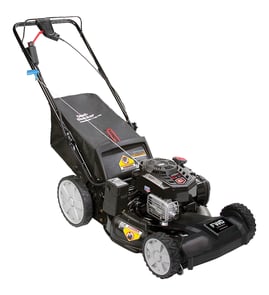
Gas lawn mowers are not universally being phased out, but some states and local agencies are restricting the sale or use of certain gasoline-powered outdoor power equipment over time. For an MTD 12AVB2AQ793 gas walk-behind mower, this usually affects future purchasing rules and where you can operate it, not whether you can maintain it with parts like the lawn mower grass bag 664P05322A.
What “phased out” typically means
Most “phase-out” discussions focus on new equipment sales and government fleet purchasing, not an immediate ban on owning or repairing an existing mower.
Common policy approaches include:
- Restrictions on the sale of new gas-powered mowers in certain regions
- Rules that apply only to commercial operators or government agencies
- Incentives or rebates to switch to battery-powered equipment
- Seasonal or location-based use restrictions (for example, noise or emissions rules)
How this impacts your MTD 12AVB2AQ793
Even if your area tightens rules on new gas mower sales, you can often keep using and maintaining an existing mower as long as it is safe and in good working order.
Practical steps we recommend:
- Check your state and city rules for outdoor power equipment sales and use
- Keep the mower tuned (clean air filter, fresh fuel, sharp blade) to reduce smoke and hard starting
- Replace worn accessories that affect performance and cleanup, such as the lawn mower grass bag 664P05322A
- Store fuel properly and run the mower dry before long storage to help prevent carburetor issues
Quick comparison: gas vs battery (what changes, what does not)
| Topic | Gas walk-behind mower | Battery walk-behind mower |
|---|---|---|
| Runtime | Refill and keep mowing | Limited by battery capacity |
| Maintenance | Fuel system, oil, spark plug | Battery care, less engine service |
| Local restrictions | More likely to be targeted | Less likely to be targeted |
Why it matters
If your area is moving toward battery equipment, planning ahead helps you avoid surprises when you need to replace a mower later. In the meantime, keeping your MTD 12AVB2AQ793 maintained and using the correct-fit parts helps it run cleaner, bag better, and last longer.
Last updated: January 2026
How do I find the right MTD part?
For your MTD gas walk-behind mower model 12AVB2AQ793, the most reliable way to get the right part is to match the full model number from the product ID label to the parts list and diagram, then confirm the part name and reference location before ordering. If you are replacing the catcher, use the exact match lawn mower grass bag 664P05322A.
Step-by-step: how we match the correct part
- Find the product identification label on the mower deck or near the handle mounting area.
- Write down the full model number: 12AVB2AQ793 (letters and numbers matter).
- Use the model number to pull up the illustrated parts breakdown for this exact mower.
- Match the part by reference number in the diagram plus the part name.
- Compare your old part to the listing (mounting points, openings, and shape).
When the model number is not enough
Some components are tied to the engine, not the mower frame. On many walk-behind mowers, engine parts (carburetor, air filter, spark plug, fuel cap) are selected using the engine’s separate ID tag.
Common engine ID fields to record:
- Engine brand (often Briggs and Stratton, Honda, Kohler, etc.)
- Engine model
- Type
- Code or serial
Quick check: frame part vs engine part
| What you are replacing | Usually selected by | Examples |
|---|---|---|
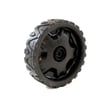
| Mower chassis and cutting system | Mower model 12AVB2AQ793 | wheels, height adjusters, deck hardware, bagging parts |
| Engine and fuel/ignition items | Engine model/type | carburetor, air filter, ignition coil, recoil starter |
Why it matters
Using the exact model number (and engine ID when needed) prevents ordering a part that looks similar but will not mount correctly, seal properly, or fit the deck and handle geometry on MTD 12AVB2AQ793.
Last updated: January 2026
How do I tell what year my MTD mower is?
For your MTD gas lawn mower model 12AVB2AQ793, we identify the build year from the mower’s serial number, not the model number. On many MTD 11-character serial numbers, the 5th character indicates the last digit of the manufacturing year.
Where to find the serial number on an MTD walk-behind mower
Common serial number label locations include:
- Rear of the deck (near the discharge opening)
- Top of the deck, behind the engine
- Near the rear wheel height adjuster area
- On the rear door or rear frame area (bagging models)
- Under the handle mounting area
If the label is dirty or faded, wipe it with a damp rag first; avoid harsh solvents that can remove printing.
How to decode the year from the serial number
Once you have the serial number, count characters from left to right.
- Confirm it is 11 characters long
- Find the 5th character
- That character is the last digit of the year (for example, a “9” can indicate a year ending in 9)
- Use the mower’s approximate age and features to decide the correct decade
Quick reference table
| Serial number length | Year indicator location | What it tells you |
|---|---|---|
| 11 characters | 5th character | Last digit of the manufacturing year |
Why it matters
Knowing the manufacturing year helps us match the correct MTD parts and design revisions for your 12AVB2AQ793, especially for deck components and bagging hardware such as the lawn mower grass bag 664P05322A.
Last updated: January 2026
Should I use 87 or 91 gas for lawn mower?
For the MTD 12AVB2AQ793 gas walk-behind mower, 87 octane (regular unleaded) is the right choice for normal operation. Using 91 octane will not add power or improve performance in a typical small mower engine; fuel freshness and ethanol content matter more than octane.
What to use (and what to avoid)
- Use fresh 87 octane from a busy station.
- Prefer ethanol-free gas when available; if not, try to stay at 10% ethanol (E10) or less.
- Avoid old fuel; don’t run gas that has been sitting for more than 30 days without a stabilizer.
- Do not use E15/E85; higher ethanol blends can cause hard starting and fuel-system issues.
- If the mower will sit, add fuel stabilizer and run the engine a few minutes to circulate treated fuel.
87 vs 91: quick comparison
| Fuel choice | Best use case | What you will notice |
|---|---|---|
| 87 octane (regular) | Everyday mowing | Normal starting and power |
| 91 octane (premium) | Not needed for most mowers | Usually no benefit |
| Ethanol-free 87 | Storage, seasonal equipment | Often fewer carburetor issues |
Why octane is not the main factor
Octane mainly helps prevent knock in high-compression engines. Most walk-behind mower engines are designed to run correctly on regular unleaded; problems are more often caused by stale fuel, ethanol-related varnish, or a dirty carburetor jet.
Related parts and upkeep
If you bag clippings, keeping the collection system in good shape helps airflow and cut quality. If your bag is torn or won’t latch securely, replace it with the exact compatible part for this model: lawn mower grass bag 664P05322A.
Why it matters
Using the right fuel helps prevent hard starting, surging, and poor acceleration, and it reduces the chance of fuel-system deposits that can lead to repairs.
Last updated: January 2026
What are the most common lawn mower repairs?
On the MTD gas walk-behind mower model 12AVB2AQ793, the most common repairs are usually basic maintenance fixes: fuel issues (stale gas), air flow problems (dirty air filter), ignition problems (spark plug), and cutting or bagging problems from buildup or wear. These are the first areas we check.
Most common problems and what to check first
- Won’t start or starts then dies: drain old fuel, refill with fresh gas; check the spark plug and air filter.
- Runs rough or surges: clean debris around the engine, check for restricted air flow, and inspect the spark plug.
- Cuts uneven or leaves clumps: clean the underside of the deck; check blade condition and height settings.
- Poor bagging or grass blowing out: inspect the bag for tears and make sure the chute path is clear; consider replacing the lawn mower grass bag 664P05322A if it is damaged.
- Hard to pull or stalls in tall grass: reduce cutting height, mow slower, and clean packed grass from the deck.
Quick symptom-to-fix guide
| Symptom | Most likely cause | Typical fix |
|---|---|---|
| No start | Stale fuel, fouled plug | Fresh fuel; clean/replace plug |
| Starts then dies | Dirty air filter, fuel restriction | Clean/replace filter; refresh fuel |
| Uneven cut | Dull/bent blade, deck buildup | Service blade; clean deck |
| Bag won’t fill | Clogged chute, torn bag | Clear chute; replace bag |
Why it matters
Catching these issues early helps protect the engine, improves cut quality, and prevents strain on wear items like the blade and bagging system. Simple cleaning and tune-up steps often restore normal performance without major repairs.
Safety notes we follow
- Disconnect the spark plug wire before cleaning under the deck or inspecting moving parts.
- Let the muffler and engine cool before servicing.
- Tip the mower only as recommended for small-engine equipment to reduce fuel and oil spills.
Last updated: January 2026