Installation guide
 Owner’s manual
 Error Codes
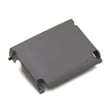


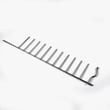
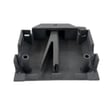
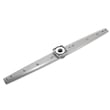
What is the KDTM504EPA1 method?
KDTM504EPA1 is a KitchenAid dishwasher model number, not a lab test method. If you saw “EPA 504.1,” that is a drinking-water lab analysis method and it is unrelated to operating, installing, or repairing the KitchenAid KDTM504EPA1 dishwasher. For model-specific details, use the owner's manual.
What KDTM504EPA1 means for your dishwasher
KDTM504EPA1 identifies the exact KitchenAid dishwasher version so we can match the correct parts, wiring, and installation steps.
Common places you will use the model number:
- Looking up replacement parts (door seals, inlet valve, drain hose)
- Confirming installation requirements (power cord vs direct wire)
- Troubleshooting symptoms and error codes
- Verifying fit for racks and adjusters
“EPA 504.1” vs KDTM504EPA1 (quick comparison)
| Item | What it is | Where you’ll see it | Related to this dishwasher? |
|---|---|---|---|
| KDTM504EPA1 | KitchenAid dishwasher model number | Model tag, parts lists, manuals | Yes |
| EPA 504.1 | Drinking-water lab test method | Lab reports, water testing docs | No |
Installation and safety basics for KDTM504EPA1
When installing or servicing a dishwasher, follow the safety and wiring guidance in the installation guide. Key points include:
- Do not use the dishwasher until it is completely installed
- Do not push down on the open door
- Keep the power cord or supply wiring from touching the motor or lower tub
- Use a proper strain relief at the terminal box; do not use an extension cord
Why it matters
Mixing up a model number with an “EPA method” can send you to the wrong instructions. Using KDTM504EPA1 ensures you get the correct KitchenAid dishwasher parts (like seals, valves, and hoses) and the right installation steps.
Last updated: February 2026
Which dishwasher to stay away from?
If you are shopping for a dishwasher, we recommend avoiding decisions based only on brand “worst lists.” Reliability varies by model and installation quality; for KitchenAid KDTM504EPA1, the best way to reduce problems is correct installation, proper loading, and quick fixes for leaks, draining, or drying using the owner's manual.
What to use instead of “brands to avoid”
Focus on factors that predict real-world reliability and satisfaction:
- Choose a model with readily available replacement parts (seals, valves, hoses, controls)
- Prioritize a strong door seal and correct leveling to prevent leaks
- Confirm your cabinet opening and utility hookups meet requirements
- Expect longer cycle times on modern energy-efficient dishwashers (often 2 to 3 hours)
- Use rinse aid for better drying and fewer hard-water deposits
Red flags that matter more than the logo on the front
These are the issues that most often drive “this dishwasher is terrible” reviews, regardless of brand:
- Recurring leaks at the door or bottom edge
- Not draining (standing water after a cycle)
- Poor cleaning from clogged filters or blocked spray arms
- Poor drying when rinse aid is empty or heat-dry is off
- Start/Resume problems when the door is not closed within a few seconds
If you are seeing any of these on KDTM504EPA1, common leak-related wear items include the dishwasher door seal W11177741 and the dishwasher door seal, lower WPW10497235.
Quick comparison: “avoid” list vs smart checklist
| Shopping approach | What it misses | What works better |
|---|---|---|
| Avoid certain brands | Model-to-model differences, install quality | Compare features, parts availability, and serviceability |
| Rely on online rankings | Different usage, water hardness, detergents | Check cycle time, noise, drying method, and tub design |
| Buy cheapest option | Higher repair frequency over time | Buy for fit, performance, and long-term maintenance |
Why it matters
Most dishwasher failures we see are tied to installation (leveling, drain routing, water supply), maintenance (filters, spray arms), and consumables (rinse aid, detergent), not just the badge. Following the setup and operating guidance in the installation guide helps prevent leaks, no-fill, and no-start complaints.
Last updated: February 2026
What is the average lifespan of a KitchenAid dishwasher?
A KitchenAid dishwasher typically lasts 10 years. For your KitchenAid KDTM504EPA1, consistent cleaning, correct installation, and preventing leaks (especially around door seals and hoses) are the biggest factors that keep it running reliably year after year.
Typical lifespan and what affects it
Most dishwashers wear out from a mix of heat, moisture, and moving parts. These factors have the biggest impact:
- Hard water and mineral buildup (can shorten pump, heater, and valve life)
- Heavy daily use and frequent high-temp cycles
- Poor draining or standing water in the tub
- Leaks that wet wiring or the control area
- Skipping routine cleaning (filters, spray arms, seals)
What we recommend to help KDTM504EPA1 reach its full life
Use these habits to reduce wear on the pump, motor, and heating system:
- Run hot water at the sink before starting a cycle so the fill water is hot
- Use rinse aid for better drying and to reduce spotting and deposits
- Clean the filter area and check spray arm holes for clogs monthly
- Keep the door sealing surfaces clean and free of detergent residue
- Fix small leaks quickly (they often start at seals, clamps, or hoses)
Common wear items to watch (and why)
If you see leaking, poor drying, or poor cleaning, these parts are often involved:
| Symptom | Common area | Example part for this model |
|---|---|---|
| Water leaking at the door | Door gasket or lower seal | Dishwasher door seal W11177741 |
| Water leaking at bottom/front | Lower door seal | Dishwasher door seal, lower WPW10497235 |
| Not drying well | Heating circuit | Element assembly W10703867 |
| Not filling or fills slowly | Water supply valve | Dishwasher water inlet valve W11175771 |
| Not draining well | Drain path | Dishwasher drain hose 8269144A |
Why it matters
A dishwasher that is kept clean, fills with hot water, and drains correctly runs shorter, more efficient cycles and puts less strain on the pump and heater. That directly extends service life and helps prevent costly water damage.
For cycle time expectations and operating tips that support long life, follow the guidance in the installation guide.
Last updated: February 2026
What is the most reliable KitchenAid dishwasher?
KitchenAid reliability is strongest in models that combine a stainless steel tub, proven wash system, and solid door and rack hardware. Your KitchenAid KDTM504EPA1 is built in that higher-feature class; keeping filters clean, using rinse aid, and fixing small leaks early helps it stay dependable (see the owner's manual).
What to look for when choosing a reliable KitchenAid dishwasher
We recommend prioritizing these reliability signals when comparing KitchenAid models:
- Stainless steel tub (better durability and drying performance)
- Strong wash system with soil sensing (adjusts wash based on water clarity)
- Quiet, low-energy motor design (often runs longer cycles for thorough cleaning)
- Sturdy racks and adjusters (less breakage over time)
- Good sealing and door balance (prevents leaks and door stress)
How KDTM504EPA1 fits the reliability checklist
Your KDTM504EPA1 installation guide notes that newer, energy-efficient dishwashers commonly run 2 to 3 hours per load, and some cycles can exceed 3.5 hours depending on options and sensor calibration. Longer cycles are normal and are part of how these machines clean well while using less energy (see the installation guide).
| Reliability factor | What you should expect | What to do to keep it reliable |
|---|---|---|
| Long cycle times | 2 to 3 hours typical | Avoid interrupting cycles; use the right cycle for soil level |
| Drying performance | Rinse aid is important | Keep rinse aid filled for consistent drying |
| Leak prevention | Seals and hoses matter | Inspect door seals and drain hose routing periodically |
Common reliability issues you can prevent (and the parts that help)
If you see water at the front corners, a damp toe-kick, or a musty smell, addressing sealing early prevents bigger problems.
- Replace a worn main door gasket: dishwasher door seal W11177741
- Replace a damaged lower door strip: dishwasher door seal, lower WPW10497235
- If the unit will not fill or fills slowly, check the inlet valve: dishwasher water inlet valve W11175771
- If drying is weak and the heater is not warming, check the heater circuit and element: element assembly W10703867
Why it matters
“Most reliable” usually means fewer leaks, fewer rack failures, and fewer wash performance complaints over time. Choosing a model with a stainless tub and maintaining seals, sensors, and rinse aid use reduces service calls and protects your kitchen cabinets.
Last updated: February 2026
What is the most common problem with KitchenAid dishwashers?
The most common issue we see with KitchenAid dishwashers (including model KDTM504EPA1) is poor cleaning, meaning dishes come out with food residue or film. In most cases, the cause is restricted water flow or spray action from a dirty filter area, clogged spray arms, or loading and detergent issues; less often it is a failing wash component.
Quick checks that fix most “not cleaning” complaints
- Confirm the spray arms spin freely and are not blocked by tall items.
- Clean the filter area and remove debris (glass, labels, seeds) from the sump.
- Use fresh detergent and avoid overfilling the dispenser.
- Run hot water at the sink until it is hot before starting the cycle.
- Choose a heavier cycle or add heat/dry options when loads are greasy.
- Expect longer cycles on newer designs; many loads average 2 to 3 hours.
Parts that commonly affect cleaning on KDTM504EPA1
If the basics look good and cleaning is still weak, these parts are frequent suspects on this model:
| Symptom | What it usually points to | Example part for this model |
|---|---|---|
| Weak spray, gritty water, intermittent wash | Wash system restriction or motor performance issue | Dishwasher pump and motor assembly W10902589 |
| Poor coverage in certain zones | Spray arm not distributing water correctly | Dishwasher spray arm assembly W10860176 |
| Wash results vary from load to load | Soil sensing not reading water clarity correctly | Dishwasher turbidity sensor WPW10705575 |
Why it matters
Poor cleaning is usually a water movement problem. When spray pressure is low or the spray pattern is blocked, detergent cannot activate properly and soil is not carried away, so you get spotting, film, and leftover food.
When to check for error codes
If the dishwasher stops mid-cycle, beeps, or shows a fault pattern, use the KitchenAid microclean he dishwasher error codes guide to narrow the problem to the wash motor, heating, fill, or sensing system.
Helpful model-specific reference
For cycle selection, loading guidance, and normal run-time expectations for KDTM504EPA1, use the owner's manual.
Last updated: February 2026