Owner’s manual
 View engine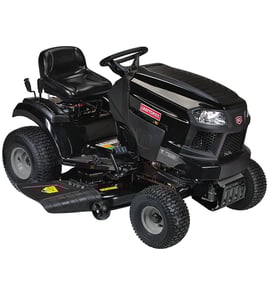


What engine does Craftsman riding mower use?
For Craftsman model 917253210, the exact engine make and horsepower depend on the specific engine installed on your tractor; the most reliable way to identify it is by checking the engine ID label and confirming it against the specifications in the 917253210 owner's manual.
How to identify the engine on model 917253210
Look for the engine identification label (usually on the blower housing, valve cover, or near the starter). Record these details:
- Engine manufacturer (commonly Briggs & Stratton, Kohler, or Tecumseh on tractors of this era)
- Model number
- Type number
- Code (or date code)
- Any spec number listed
Once you have those numbers, match them to the engine section/specifications in the manual.
Quick checks that help confirm you have the right engine
These visual and functional clues narrow it down fast:
- Single-cylinder vs. V-twin (V-twins are wider and typically have two valve covers)
- Carbureted engine with choke lever/cable (common on this tractor style)
- Starter behavior (clicks, spins, or cranks normally)
- Throttle and choke control layout on the dash
If the engine only clicks and will not crank, use our DIY steps in riding lawn mower engine clicks but doesnt turn over video.
Common engine ranges for front-engine Craftsman tractors
Most Craftsman front-engine lawn tractors like the 917253210 were sold with gasoline, air-cooled engines in these typical ranges:
| Item | Typical range (common on this tractor type) |
|---|---|
| Horsepower | 15.5 to 20.0 HP |
| Cylinders | 1-cylinder or V-twin |
| Starting | 12-volt electric start |
| Fuel system | Carburetor |
Why it matters
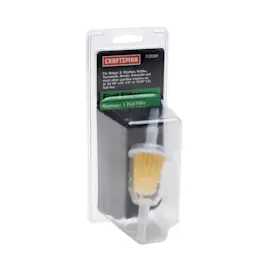
Getting the engine identification right ensures you buy the correct tune-up and starting parts (spark plug, air filter, fuel filter, starter components) and follow the correct maintenance specs (oil type and capacity). It also helps when diagnosing no-start or no-crank problems.
Last updated: February 2026
How to identify a lawn mower engine?
On your Craftsman 917253210 front-engine lawn tractor, the engine identification is on the engine itself, typically stamped into the metal shroud (blower housing) near the muffler or near the air cleaner. Use that engine model and type information when ordering tune-up parts or looking up service specs in the owner's manual.
Where to look on the engine
Check these common locations first (wipe off dirt and grass so you can read the stamp):
- On the sheet metal shroud directly above the muffler (muffler can be on the right or left side)
- On the front of the engine near the air cleaner housing
- Near the recoil starter housing or on the valve cover area (varies by engine family)
- On a sticker or tag attached to the shroud (if it has not worn off)
What numbers to write down
Record the full set of identifiers exactly as shown; this prevents ordering the wrong ignition or fuel parts.
- Engine model number
- Engine type or trim code
- Engine code or serial number
Quick checklist: engine ID vs. tractor ID
Use this to avoid mixing up the tractor model with the engine model.
| What you are identifying | Where it’s found | What it’s used for |
|---|---|---|
| Tractor model (917253210) | Tractor ID label (frame area) | Chassis, deck, steering, belts, electrical parts |
| Engine model/type/code | Stamped on engine shroud or tag | Engine tune-up specs and engine-specific parts |
Why it matters
Your tractor model 917253210 tells us which mower deck, ground drive belt, and safety interlock parts fit. The engine model tells you the correct spark plug, air filter, and oil recommendations. Matching the right ID saves time and prevents repeat repairs.
Related parts you might be matching to your model
If you are identifying the engine because it will not crank or start, these model-matched parts are commonly involved:
Last updated: February 2026
Is it worth replacing a lawn mower engine?
Yes, replacing the engine on your Craftsman 917253210 front-engine lawn tractor is worth it when the tractor’s deck, steering, and drive system are still solid and you want more years of reliable mowing for less than the cost of a comparable replacement tractor.
Quick decision checklist
- The mower deck is structurally sound (no major rust-through or cracks)
- The transmission and ground drive operate normally (no slipping or loss of drive)
- The wiring and safety interlocks are intact (no recurring no-start issues)
- You can do the work safely (key removed, spark plug wire disconnected before service)
- The total engine-swap cost stays well below the cost of replacing the tractor
Cost and condition guide
Use this as a practical way to decide.
| What you see on the tractor | What it usually means | Best next step |
|---|---|---|
| Deck and chassis are in good shape; engine has low compression or catastrophic failure | The tractor is a good candidate for an engine swap | Replace the engine and keep mowing |
| Deck is damaged or unsafe; guards/shields missing or broken | Money spent on an engine will not fix core safety or cut-quality issues | Repair deck/safety items first or replace tractor |
| Tractor starts inconsistently (clicks, no crank) | Often electrical (battery, solenoid, switch), not the engine | Diagnose starting circuit before buying an engine |
| Excessive vibration while mowing | Could be blade/mandrel damage; engine swap will not solve it | Inspect blades, mandrels, and deck hardware |
Why it matters (and what the manual emphasizes)
An engine swap only pays off if the rest of the machine is safe and serviceable. Our owner's manual highlights key safety steps that matter during any major repair: disengage the PTO, set the parking brake, stop the engine, remove the key, and disconnect the spark plug wire before working on the tractor.
Parts that commonly get checked before blaming the engine
If the tractor will not crank or has intermittent starting, these model-compatible parts are often involved:
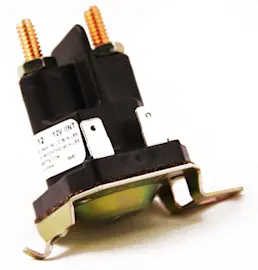
- Lawn tractor starter solenoid 582042802 (no-crank, single click)
- Lawn tractor ignition switch 532193350 (no power to start circuit)
- Lawn tractor ground drive belt, 1/2 x 82-in 532140294 (moves poorly even though engine runs)
If you decide to keep the tractor
- Fix any missing guards or shields before mowing
- Keep blades sharp and replace bent blades; the manual specifies blade bolt torque at 45 to 55 ft-lbs
- Store it correctly at season end (fuel management, battery storage, and cleaning)
Last updated: February 2026