Installation guide
 Error Codes



What is the average life expectancy of a GE dishwasher?
A GE dishwasher typically lasts 10 to 12 years with normal household use. For your GE GLD5960N10SS, regular cleaning, avoiding clogs, and fixing small leaks early (seals, hoses, inlet valve) are the biggest factors that help it reach that average.
What affects lifespan the most
- Water quality and detergent: hard water and excess detergent speed up wear and buildup.
- Filter and spray performance: restricted flow makes the pump work harder.
- Leaks at the door or tub: slow leaks can damage components and wiring over time.
- Drain health: frequent standing water strains the drain pump.
- Loading habits: blocked spray arms reduce cleaning and increase cycle stress.
Simple maintenance that extends life
Use these as a monthly or quarterly routine:
- Rinse heavy food off dishes; avoid bones, seeds, and labels.
- Clean the filter area and check for debris; replace a worn filter if needed.
- Make sure the spray arm spins freely and holes are clear.
- Inspect the door sealing surfaces and wipe them clean.
- Run a dishwasher cleaner cycle to reduce grease and mineral buildup.
Common wear items and what they do
| Part | What it impacts | Typical symptom when failing |
|---|---|---|
| Dishwasher filter WD12X10109 | Water flow and soil removal | Grit on dishes, poor cleaning |
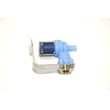
| Dishwasher water inlet valve WD15X10003 | Proper fill level | Not filling, weak wash |
| Dishwasher tub gasket WD08X10018 | Leak prevention | Water at the front or sides |
| Dishwasher drain pump WD26X10025 | Draining | Standing water, drain noise |
Why it matters
A dishwasher near the end of its service life often shows up as longer cycles, noisier operation, poor cleaning, or intermittent draining. Catching issues early can prevent secondary damage and keep your GE GLD5960N10SS running closer to the 10 to 12 year mark.
For model-specific installation and service access details (important if you ever need to pull the unit for repair), follow the installation guide.
Last updated: February 2026
How to replace filter in GE dishwasher?
To replace the filter in your GE GLD5960N10SS dishwasher, remove the lower rack, lift out the old filter from the sump area, set the new filter in place, then twist it clockwise until it locks. Reinstall the lower rack and run a quick rinse to confirm normal flow.
Step-by-step: replacing the dishwasher filter
- Turn off the dishwasher and let the tub cool.
- Pull the lower rack out and set it aside.
- Locate the filter in the bottom of the tub (sump area).
- Remove the filter by turning it counterclockwise, then lift it out.
- Rinse the sump area and wipe away debris so the new filter seats flat.
- Install the new filter and twist clockwise until it locks.
- Reinstall the lower rack and run a short cycle to verify operation.
For diagrams and model-specific access details, use the GLD5960N10SS installation guide.
Which part do I need?
For this model, the filter listed for replacement is the dishwasher filter WD12X10109. If your filter housing or cover is damaged, the inlet cover WD22X10077 is another common related part.
| Symptom | What it usually points to | What to check next |
|---|---|---|
| Grit or food redeposited on dishes | Restricted filtration or spray issues | Clean/replace filter; inspect spray arm holes |
| Poor cleaning on top rack | Low spray pressure or blockage | Check spray arm, loading, and filter seating |
| Standing water after cycle | Drain restriction (not just filter) | Check drain path and hose routing |
Why it matters
A clogged or incorrectly seated filter reduces water flow to the pump and spray arms, which can cause poor cleaning, longer cycle times, and debris left in the tub. Keeping the filter clean helps the circulation system work efficiently.
Helpful related DIY content
If cleaning performance is still poor after replacing the filter, follow the troubleshooting steps in dishwasher not cleaning dishes video.
Last updated: February 2026
What are the commonly replaced parts in a dishwasher?
On the GE GLD5960N10SS dishwasher, the most commonly replaced parts are the components that control water flow, washing action, draining, and leak sealing. In real-world repairs, we most often see filters and spray components clog, pumps wear, and door seals or gaskets leak over time; see the installation guide for service-access and removal considerations.
Common parts that get replaced most often
- Water fill parts: water inlet valve, float/float switch (overfill protection)
- Wash system parts: spray arm, circulation pump and motor, pump impeller
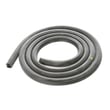
- Drain system parts: drain pump, drain tube/hose
- Leak and noise control parts: tub gasket, lower door seal, insulation
- Usability parts: racks and rack slides, user interface/control panel
Model-relevant examples for GLD5960N10SS
These are examples of commonly replaced parts that match this model’s parts list:
| Symptom | Likely part category | Example part for this model |
|---|---|---|
| Not filling or fills slowly | Fill system | Dishwasher water inlet valve WD15X10003 |
| Not draining | Drain system | Dishwasher drain pump WD26X10025 |
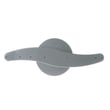
| Poor cleaning | Wash system | Dishwasher spray arm WD22X10047 |
| Leaks at the door/tub | Seals and gaskets | Dishwasher tub gasket WD08X10018 |
| Dirty water, debris, odor | Filtration | Dishwasher filter WD12X10109 |
Quick checks that can prevent repeat failures
- Clean the filter area regularly and remove labels, glass, and food debris
- Make sure the spray arm holes are clear and the arm spins freely
- Confirm the drain hose is not kinked and the disposer plug is removed (new installs)
- Use the right detergent amount; too much can cause oversudsing and poor wash results
- Level the dishwasher so the door closes smoothly and seals evenly
Why it matters
Dishwashers fail most often where water moves (valves, pumps, hoses) and where water is supposed to stay contained (gaskets and door seals). Catching clogs early reduces strain on the circulation and drain pumps and helps prevent leaks.
Last updated: February 2026
Is it worth repairing a GE dishwasher?
Yes, repairing a GE dishwasher is worth it when the unit is under about 10 years old, the repair is a single, clear failure (not repeated breakdowns), and the total repair cost stays well below the cost of replacement. For GE model GLD5960N10SS, we use the same rule of thumb.
Quick decision checklist
- Repair if the dishwasher is cleaning well overall and you’re fixing one issue (won’t drain, won’t fill, noisy pump).
- Repair if the estimate is less than about 50% of a comparable new dishwasher.
- Replace if you’ve had multiple major repairs in the last 1 to 2 years.
- Replace if the tub is leaking or badly rusted (structural problems usually snowball).
- Repair if the fix is a common service part such as a valve, drain pump, or filter.
Typical repair cost vs. replacement (what we see most often)
| Scenario | Typical outcome | What it usually means |
|---|---|---|
| One failed part (valve, drain pump, filter) | Repair makes sense | Rest of the machine is often fine |
| Motor or pump assembly failure | Depends on age and history | Higher parts and labor cost |
| Repeated leaks or multiple symptoms | Replace is often smarter | Hidden wear, seals, wiring, or control issues |
Parts that commonly make a repair worthwhile
If your GLD5960N10SS has one specific symptom, these are common “fix the problem” parts (when diagnosis confirms the failure):
- Not filling or filling slowly: dishwasher water inlet valve WD15X10003
- Not draining: dishwasher drain pump WD26X10025
- Poor cleaning from low spray pressure or clogs: dishwasher filter WD12X10109
- Door leaks at the bottom edge: dishwasher door seal, lower WD08X10059
Why it matters
A dishwasher replacement cost is mostly paid up front; a repair cost is targeted. When the problem is isolated (like a drain pump or inlet valve), repairing often restores reliability without committing to a full replacement.
Before you decide: confirm the basics
Use the installation guide to verify items that can affect performance and serviceability (for example, drain hose routing and leak prevention). The guide also notes that the dishwasher must be installed so it can be removed later for service, which can affect labor cost.
If you’re seeing a flashing code or beeping, match it to the fault first using GE dishwasher error codes.
Last updated: February 2026
What is the most common problem with a GE dishwasher?
The most common GE dishwasher problem is a drain issue: water stays in the bottom because the filter area, drain path, or drain pump gets restricted. On the GE GLD5960N10SS, the next most common complaints are leaks at the door seal and “won’t start” symptoms tied to controls or a door-latch condition.
Quick checks we recommend first
- Cancel the cycle and run a drain function; listen for the drain pump running.
- Check the bottom of the tub for standing water and clear any visible debris.
- Clean the filter area and confirm the spray arm spins freely.
- Inspect the drain hose routing for kinks and make sure it is not crushed.
- Look for drips at the door perimeter that point to a worn seal.
Common symptoms and the parts that usually fix them
| Symptom | Most likely cause | Part examples for GLD5960N10SS |
|---|---|---|
| Water won’t drain | Clog in drain path or weak drain pump | Dishwasher drain pump WD26X10025, drain hose/tube issues |
| Not filling or fills slowly | Water supply issue or inlet valve problem | Dishwasher water inlet valve WD15X10003 |
| Poor cleaning | Clogged filter, spray arm restriction, circulation issue | Dishwasher filter WD12X10109, dishwasher spray arm WD22X10047 |
| Leaks at the door | Door seal or tub gasket wear, door not closing square | WD08X10059 (lower door seal), WD08X10018 (tub gasket) |
| Dead panel or odd behavior | User interface/control problem | WD21X10247 (user interface) |
Why it matters
Drain and wash-performance problems usually start small (a restricted filter or hose) but quickly lead to odors, dirty dishes, and pump strain. Catching the issue early helps prevent repeat clogs and reduces the chance of a bigger repair.
Installation-related items that can mimic “dishwasher problems”
Improper drain hose connection or damage can cause leaks and draining complaints. The install instructions also call out protecting the drain hose from nicks/cuts and securing it correctly at the pump outlet.
- Confirm the drain hose is clamped securely and not leaking.
- Avoid sharp bends behind the unit.
- Make sure the dishwasher can be removed for service later.
For model-specific installation details and drain hose guidance, use the GLD5960N10SS installation guide.
Last updated: February 2026
How to remove the filter and spinner on GE dishwasher?
On the GE GLD5960N10SS dishwasher, we remove the lower rack first, then lift out the filter area components so you can rinse away debris that causes poor cleaning and draining. Use the steps in the GLD5960N10SS installation guide for safe access and handling while working around the tub and door.
Before you start (safety and setup)
- Turn off power at the breaker (dishwashers are hard-wired on many installs).
- Let the unit cool if it just ran a heated cycle.
- Pull out the lower rack for clear access to the sump area.
- Keep a towel handy for standing water in the bottom.
- Avoid forcing plastic parts; most pieces lift out or unlock with a short twist.
Filter removal (typical GE layout)
- Remove the lower rack.
- Locate the filter assembly in the bottom center of the tub.
- Lift off the coarse screen or cover (some versions unclip; others lift straight up).
- If there is a fine filter or cup-style filter below it, turn it counterclockwise to unlock, then lift it out.
- Rinse filters under hot water; use a soft brush to clear grease and food soil.
If your GLD5960N10SS uses a separate inlet cover or filter piece, match what you see to the parts diagram and replace worn components such as the inlet cover WD22X10077 or dishwasher filter WD12X10109 when they are cracked, warped, or won’t seat flat.
“Spinner” (spray arm) removal
Most GE spray arms remove one of two ways:
- Center nut/cap style: hold the spray arm and turn the retaining nut counterclockwise.
- Twist-lock hub style: rotate the spray arm hub a short turn to unlock, then lift off.
After removal, rinse the spray arm and clear clogged jet holes with a toothpick; then reinstall so it spins freely without rubbing the rack.
Quick checks after reassembly
| What to check | What “good” looks like |
|---|---|
| Filter seating | Sits flat, no rocking, locks fully |
| Spray arm spin | Turns by hand without binding |
| Debris in sump | No glass, labels, bones, or seeds |
| Drain performance | Water level drops quickly during drain |
Why it matters
A clogged filter or blocked spray arm reduces water flow, leaves grit on dishes, and can contribute to slow draining. Keeping the sump area clean helps the circulation system work efficiently.
Last updated: February 2026