



What is the most common problem with GE dishwashers?
For GE dishwashers like model GDT645SSN2SS, the most common issues we see are not draining, not starting, and not cleaning well. These problems usually trace back to a clogged drain path, a door-latch/starting interlock issue, or weak wash circulation from a spray or pump problem.
- Water left in the bottom: drain restriction, drain pump problem, or a kinked/blocked hose
- Won’t start or stops mid-cycle: door not latching, control not sensing a safe start condition
- Poor cleaning (grit, film, food left behind): clogged spray arm holes, low wash pressure, or sump/filter buildup
- Intermittent filling or odd wash performance: water level sensing or inlet flow issues
- Wet dishes after cycle: heater or venting related drying issue
- Cancel/Drain the cycle and listen for the drain pump running.
- Check the sink drain/disposer connection (a common blockage point) and confirm the dishwasher drain line is clear.
- Inspect spray arms for clogged jets and confirm they spin freely.
- Verify hot water supply to the dishwasher (hotter incoming water improves cleaning and drying).
- Look for error indications and match them to GE dishwasher error codes.
| Problem you notice | Common part to inspect | What it does |
|---|---|---|
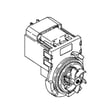
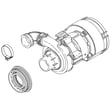
| Not draining | Dishwasher drain pump WD19X25461 | Pumps water out through the drain hose |
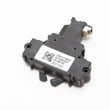
| Won’t start (door won’t latch) | GE dishwasher door latch lock WD21X10490 | Confirms the door is closed so the unit can run |
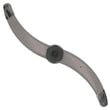
| Poor cleaning, lower rack | Dishwasher spray arm, lower WD22X33499 | Distributes wash water across the lower rack |
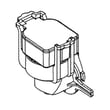
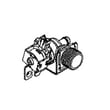
| Filling issues or low water | Dishwasher water inlet valve WD15X26078 | Controls water entering the dishwasher |
| Odd water level behavior | GE dishwasher pressure sensor WD21X25468 | Helps the control monitor water level/pressure |
Drain, latch, and wash-circulation problems can look similar from the outside, but the fix is different. A fast symptom check (drain sound, latch feel, spray arm movement, and any error code) helps you avoid replacing the wrong GE dishwasher parts.
Last updated: February 2026
Can I replace dishwasher parts myself?
Yes, for the GE GDT645SSN2SS dishwasher, we can usually replace many common parts ourselves if we’re comfortable with basic hand tools and safe shutoffs. Simple mechanical items (like spray arms and rack hardware) are the best DIY starts; electrical and leak-related repairs take more care.
Here’s a practical way to decide what to tackle.
- Good DIY starters: spray arms, drain hose routing, rack rollers/baskets, tub gasket inspection
- Moderate DIY: water inlet valve replacement, drain pump replacement (access and clamps)
- Advanced DIY: control board or UI work (wiring, diagnostics), recurring leak troubleshooting
- Stop and reassess: burning smell, tripped breaker repeatedly, standing water with unusual noises
| Repair type | What you’ll do | Typical difficulty | Common parts involved |
|---|---|---|---|
| Cleaning/coverage issues | Remove and rinse spray arm, clear ports | Easy | Dishwasher spray arm, lower WD22X33499, dishwasher spray arm, middle WD22X33498 |
| Not draining | Check hose path, replace pump if seized | Moderate | Dishwasher drain pump WD19X25461, dishwasher drain hose WD24X10062 |
| Not filling | Verify supply, replace inlet valve | Moderate | Dishwasher water inlet valve WD15X26078 |
| Not drying | Confirm heat options, test heater circuit | Advanced | Element heat WD05X35098 |
- Turn power off at the breaker (dishwashers are hardwired or plugged in under the sink).
- Shut water off at the dishwasher supply valve.
- Put towels down; keep a shallow pan ready for hoses and the sump area.
- Take a quick photo of wire connections before disconnecting anything.
- Restore power only after panels are reinstalled and the area is dry.
DIY replacement can save time and service costs, but choosing the right repair level helps prevent leaks, repeat failures, and accidental wiring mistakes. When symptoms point to diagnostics, we use error-code info first.
Last updated: February 2026
What is the average life expectancy of a GE dishwasher?
A GE dishwasher typically lasts 10 to 12 years with normal household use and basic maintenance. For your GE GDT645SSN2SS, keeping wash performance strong (good water flow, proper draining, and reliable heating) is what most directly affects how long it runs trouble-free.
Most GE dishwashers fall into this range:
| Usage and care level | Typical life expectancy |
|---|---|
| Heavy use, minimal cleaning | 8 to 10 years |
| Average use, routine care | 10 to 12 years |
| Light use, excellent care | 12 to 15 years |
We see these issues end a dishwasher’s service life early:
- Running with restricted spray arms or poor water circulation
- Chronic drain problems (standing water, slow drain)
- Overheating or weak heating that leaves moisture and residue behind
- Leaks that damage wiring, controls, or the motor area
- Hard water buildup that clogs passages and wears moving parts
These habits make the biggest difference on a GE dishwasher like the GDT645SSN2SS:
- Clean the filter area and sump regularly; remove debris before it reaches the pump
- Check spray arms for clogs and damage; replace if jets are blocked or the arm is cracked
- Use the right detergent amount and run a monthly cleaning cycle to reduce grease and mineral buildup
- Confirm the drain hose routing is correct (no kinks, no low loops that trap water)
- Fix small leaks quickly; door seals and gaskets that seep can lead to bigger failures
If performance problems show up, these parts are often involved:
- Dishwasher drain pump WD19X25461 (helps prevent standing water and strain on the system)
- Element heat WD05X35098 (supports drying and helps prevent residue buildup)
- Dishwasher water inlet valve WD15X26078 (ensures proper fill and wash pressure)
A dishwasher that fills correctly, sprays strongly, drains completely, and heats reliably runs cleaner and drier; that reduces corrosion, buildup, and motor strain, which are the main drivers of early failure.
Last updated: February 2026
What are the commonly replaced parts in a dishwasher?
On the GE GDT645SSN2SS dishwasher, the most commonly replaced parts are the wash and drain components (spray arms, pumps, inlet valve), door sealing and latching parts, and a few electrical items. These parts wear from heat, detergent, hard-water buildup, and normal mechanical use.
- Cleaning performance: clogged or cracked spray arms, weak wash pump flow
- Draining: drain pump or a restricted drain hose
- Filling: water inlet valve not opening consistently
- Heating and drying: heating element issues
- Starting and safety: door latch not closing or not signaling “latched”
- Leaks: tub gasket wear or door sealing problems
| Symptom | Likely part category | Example part for GDT645SSN2SS |
|---|---|---|
| Dishes not getting clean | Spray arm or wash circulation | Dishwasher spray arm, lower WD22X33499 |
| Not draining or standing water | Drain system | Dishwasher drain pump WD19X25461 |
| Not filling or fills slowly | Fill system | Dishwasher water inlet valve WD15X26078 |
| Won’t start or stops mid-cycle | Door latch or controls | GE dishwasher door latch lock WD21X10490 |
| Poor drying | Heating circuit | Element heat WD05X35098 |
| Intermittent fill or level errors | Sensing | GE dishwasher pressure sensor WD21X25468 |
- Clean the filter area and remove debris from the sump.
- Spin spray arms by hand; clear blocked jets with hot water.
- Confirm the door closes firmly and the latch engages.
- Check the drain hose routing for kinks and a proper high loop.
- Run hot water at the sink before starting to improve wash results.
Replacing the right part restores normal water flow, heating, and sealing. That prevents repeat clogs, reduces leaks, and helps the GE GDT645SSN2SS finish cycles with better cleaning and drying.
Last updated: February 2026





