Owner’s manual
 Error Codes


Where to find model number on Kenmore 79572049112 Elite fridge?
On the Kenmore Elite 79572049112 bottom-mount refrigerator, the model number is on the appliance identification label, typically inside the fresh food compartment on a side wall or ceiling area; it can also be inside the freezer compartment or behind the lower kickplate. Confirm the exact label location in the owner's manual.
Common places to check first
- Inside the refrigerator compartment on the left or right interior wall
- On the ceiling area inside the refrigerator compartment (near the light housing)
- Inside the freezer compartment on an interior side wall
- Behind the lower front kickplate (toe grille)
- Along the door frame area (visible when the door is open)
What the label looks like (and what to copy)
The ID label usually includes several fields. For parts lookup and service, copy these exactly:
- Model number (example format: 795.7205*)
- Serial number
- Electrical rating (volts/amps)
- Manufacturing date code (if shown)
Why it matters
Using the exact model number ensures we match the correct Kenmore Elite refrigerator parts list for your unit, including model-variant differences (like color code or feature package) that can affect items such as the water filter, ice maker, door switch, and water inlet valve.
Quick reference
| Where you look | What you’ll need to do |
|---|---|
| Fresh food compartment | Open doors, scan interior walls and ceiling area |
| Freezer compartment | Pull out drawers/bins to see side walls |
| Kickplate area | Remove or tilt the toe grille to view the label |
Last updated: February 2026
What is the average lifespan of a Kenmore 79572049112 Elite refrigerator?
A Kenmore Elite 79572049112 bottom-mount refrigerator typically lasts 10 to 15 years. You can often reach the high end of that range by keeping airflow and temperatures stable, staying on top of routine cleaning, and addressing cooling or ice-maker issues early (before they strain the sealed system).
What affects lifespan the most
- Condenser cleanliness: Dusty coils make the compressor run hotter and longer.
- Door seal condition: Air leaks cause longer run times and frost issues.
- Defrost performance: A failing sensor can lead to ice buildup and poor cooling.
- Water system upkeep: Old filters and restricted flow can affect the dispenser and ice maker.
- Room conditions: Hot garages, tight cabinets, or blocked vents shorten component life.
Maintenance that helps you get 10 to 15 years
Use the schedule and procedures in the owner's manual.
- Vacuum and brush the condenser area regularly
- Keep door gaskets clean and check for gaps
- Set stable temps (avoid frequent large adjustments)
- Replace the water filter on schedule
- Clear and clean the drain path if you see water pooling
Quick maintenance guide
| Task | Typical frequency | Why it helps |
|---|---|---|
| Replace water filter | Every 6 months | Protects ice maker and improves flow |
| Clean condenser area | Every 6 to 12 months | Reduces compressor run time |
| Check door seals | Every 3 to 6 months | Prevents warm air leaks and frost |
| Inspect for leaks/puddles | As needed | Prevents icing and floor damage |
Parts that commonly come up as a refrigerator ages
If performance drops, these model-matched parts are common starting points:
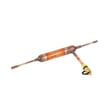
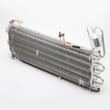
- Refrigerator condenser coil ACG73645004 (heat removal and efficiency)
- Refrigerator defrost sensor assembly 6615JB2005R (defrost control feedback)
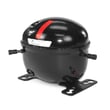
- Refrigerator compressor TCA38091801 (sealed system cooling)
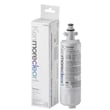
- Genuine Kenmore refrigerator water filter 9690 AGF80300801 (water and ice quality)
Why it matters
Most expensive repairs on a bottom-mount refrigerator involve the sealed system (compressor, evaporator, condenser). Simple upkeep like coil cleaning and good door sealing reduces run time and helps prevent early failures.
Last updated: February 2026
What is the problem with the bottom freezer refrigerator?
Bottom-mount refrigerators like the Kenmore Elite 79572049112 usually do not have one single “design problem”; most complaints come from everyday use conditions that make the unit run longer, warm up, or frost up, such as frequent door openings, blocked air vents, or doors not sealing and closing tightly. See the owner's manual for model-specific operating limits and troubleshooting steps.
Most common issues we see (and what to check first)
- Too warm in fridge or freezer: allow up to 24 hours after install or moving for temps to stabilize.
- Warm air getting in: reduce long door openings; check that doors close fully and gaskets seal.
- Blocked airflow: keep packages away from air vents so cold air can circulate.
- Food freezing in the refrigerator section: move high-water-content foods away from vents; adjust temperature one step at a time.
- Ice maker not keeping up: demand can exceed capacity; uneven ice in the bin can “trick” the sensor.
- Ice bin and ice door issues: keep the ice compartment door closed tightly; level the ice in the bin if production stops.
Quick symptom-to-cause guide
| Symptom | Most likely cause | Best first action |
|---|---|---|
| Fridge and freezer not cooling | Control set to OFF or demo mode; defrost cycle | Turn cooling ON, disable demo mode, wait 30 minutes after defrost |
| Freezer OK, fridge warm | Air vents blocked; doors opened often | Clear vents; shorten door-open time |
| Food freezing in fridge | Temp set too cold; items near vent | Raise temp 1 step; rearrange items |
| Ice maker stops early | Ice bin full or ice uneven; ice door not sealed | Empty/level bin; close ice door tightly |
Why it matters
Bottom-freezer designs put the fresh-food section at eye level, so it typically gets opened more often. Every long opening adds warm, humid air, which raises temperatures and can increase frost and condensation. Keeping airflow clear and doors sealed prevents many “bottom freezer refrigerator problems” before parts are needed.
Parts that commonly relate to these symptoms
If troubleshooting points to a failed component, these model-matched parts are common fixes:
- Refrigerator door switch 6600JB1010A (lights and some fan behaviors can change when the switch fails)
- Refrigerator condenser coil ACG73645004 (restricted heat transfer can reduce cooling performance)
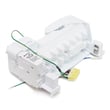
- Ice maker assembly AEQ73110203 (ice production and harvesting issues)
Last updated: February 2026
What are the common problems with Kenmore 79572049112 Elite refrigerators?
Common issues on the Kenmore Elite 79572049112 bottom-mount refrigerator are poor cooling (often airflow, condenser, or defrost related), ice maker or dispenser failures, water leaks, interior light or door-switch problems, and unusual noises. Our owner's manual troubleshooting section helps you match symptoms to the most likely cause.
Most common symptoms and what they usually point to
- Not cooling or warm temperatures: dirty condenser coil, restricted airflow, failing compressor, or defrost problem
- Freezer cold but fridge warm: air damper not opening, frost buildup on evaporator, or fan/airflow issue
- Ice maker not making ice: water supply issue, inlet valve problem, ice maker assembly fault
- Water leaking or puddles: clogged/iced drain path, cracked drain tube, loose water tubing connection
- Lights not working or alarms acting up: door switch issue or control lock settings
- Noisy operation: fan noise, ice buildup contacting a fan, or compressor-related noise
Parts that commonly solve these problems (when diagnosis confirms)
Use the symptom first, then confirm with the checks in the manual before replacing parts.
| Symptom | Common part to check | Example part on this model page |
|---|---|---|
| Weak cooling, runs a lot | Condenser coil cleanliness and airflow | Refrigerator condenser coil ACG73645004 |
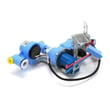
| No ice or slow ice | Water fill to ice maker | Refrigerator water inlet valve AJU72992603 |
| Frost buildup, temp swings | Defrost sensing/temperature feedback | Refrigerator defrost sensor assembly 6615JB2005R |
| Water under fridge | Drain path and drain tube | Refrigerator drain tube 5251JA3003D |
| Lights stay off or won’t shut off | Door switch | Refrigerator door switch 6600JB1010A |
Quick checks we recommend before ordering parts
- Verify temperature settings; allow 24 hours after adjustments for stabilization.
- Clean dust from the condenser area; restricted airflow is a top cause of warm temps.
- Check door closing and gasket sealing; warm air leaks cause frost and poor cooling.
- If you have dispenser or ice issues, confirm household water supply is on and line is not kinked.
- Look for frost on the freezer back panel; heavy frost often signals a defrost/airflow problem.
- After a power interruption, reset by unplugging for 5 minutes, then restore power (see guidance in the manual).
Why it matters
Cooling, ice making, and leak complaints often share the same root causes: airflow restrictions, defrost system problems, or water supply/drain issues. A fast symptom-based check prevents replacing the wrong component and helps protect food temperatures.
For model-specific troubleshooting steps and control features (including power interruption guidance and the troubleshooting guide), use the owner's manual.
Last updated: February 2026