


Where to find model number on Craftsman tiller?
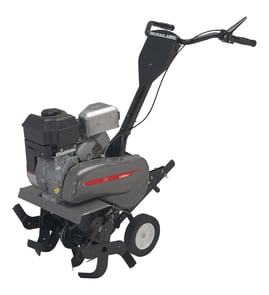
On a Craftsman front-tine gas tiller like model CMXGVAM1144043, the model number is typically printed on a sticker or metal tag attached to the frame or drive components. Check the transmission or gearbox area first, then scan the frame near the wheels and the tine guard.
- Transmission or gearbox housing (often the quickest spot)
- Frame rail near the wheels (inside or outside of the frame)
- Top or side of the tine guard/housing (near the tines)
- Handle support or handle mounting bracket
- Engine shroud area (sometimes shows engine model, which is different from the tiller model)
The correct tiller model number is the one you should use to match Craftsman CMXGVAM1144043 parts and diagrams.
| What you see on the tag | What it usually means | Use it for parts? |
|---|---|---|
| CMXGVAM1144043 | Tiller model number | Yes |
| Engine model / spec numbers | Engine identification | Sometimes (engine parts only) |
| Serial number | Production identifier | No (not by itself) |
- Wipe the tag with a damp rag and mild soap; dry it fully.
- Use a flashlight at a low angle to make faint printing stand out.
- Take a close-up photo and zoom in.
- If the sticker is damaged, look for a second tag on the opposite side of the frame.
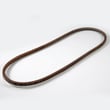
Using the exact model number prevents ordering the wrong belt, cable, or tine hardware. For example, once you confirm the model, you can match wear items like the mtd tiller drive belt 954-0428 to the correct configuration.
Last updated: January 2026
Are Craftsman tillers any good?
Yes. Craftsman tillers are generally a solid choice for typical home garden work, and the Craftsman CMXGVAM1144043 front tine gas tiller is built for breaking up and mixing soil efficiently. Like most tillers, long-term satisfaction depends heavily on routine maintenance and replacing wear items before they fail.
Front-tine gas tillers like the CMXGVAM1144043 are best when you want a lighter, more maneuverable machine for garden beds and previously worked soil.
Common strengths:
- Good control in tighter spaces and around rows
- Effective for mixing compost and loosening topsoil
- Typically easier to store and transport than larger rear-tine units
Common tradeoffs:
- More effort in hard-packed, rocky, or root-heavy ground
- Wear parts (belt, tines, cables) matter more to performance
- Can feel “bouncy” if the tines or drive system are worn
Most “durability” complaints come down to neglected wear parts or running issues that start small and get worse.
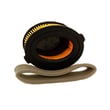
- Replace the air filter on schedule; a clogged filter reduces power and increases fuel use (see kmart lawn & garden equipment engine air filter 951-10794).
- Inspect the drive belt for glazing, cracking, or slipping; replace if the tiller hesitates under load.
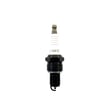
- Check the spark plug condition if starting becomes harder or power drops.
- Keep tine hardware tight; loose fasteners accelerate wear and vibration.
- Use fresh fuel and keep the fuel cap sealing properly to reduce contamination.
| Symptom | Most likely area | Typical fix |
|---|---|---|
| Tines stop pulling under load | Drive belt, cable adjustment | Belt replacement, cable adjustment |
| Hard starting, surging | Air filter, spark plug, fuel quality | Tune-up items, fresh fuel |
| Excess vibration | Tines, tine bolts | Tighten or replace tine hardware |
A tiller can feel underpowered or “poorly built” when the engine cannot breathe (dirty filter) or the drive system slips (worn belt). Keeping up with basic service is what makes a Craftsman tiller feel strong and reliable season after season.
Last updated: January 2026
Are front tine tillers good?
Front-tine tillers are a good choice when you want a lighter, easier-to-handle machine for routine garden work. On the Craftsman CMXGVAM1144043 front tine gas tiller, a front-tine design is best for loosening already-worked soil, mixing in compost, and controlling weeds between rows.
- Loosen and aerate soil that has already been prepped
- Mix in amendments like compost or bagged garden soil
- Cultivate between garden rows for weed control
- Work in tighter spaces where a larger rear-tine tiller feels bulky
- Store and transport more easily than heavier tillers
Front-tine models can struggle more than rear-tine tillers in hard, compacted ground because the tines are pulling the machine forward while you are trying to control depth and direction.
Common situations where you may want a heavier tiller:
- Breaking new ground (sod, packed clay, rocky soil)
- Deep tilling for large garden expansions
- Consistent straight-line tracking with less operator effort
| Feature | Front-tine tiller | Rear-tine tiller |
|---|---|---|
| Best use | Cultivating, light tilling | Breaking new ground, deep tilling |
| Weight | Lighter | Heavier |
| Maneuverability | Easier in small areas | Less nimble |
| Operator effort | More steering control needed | Tracks straighter with less effort |
Choosing the right tiller style saves time and wear on the machine. If you use a front-tine tiller for heavy, rocky, or unbroken soil, you can overload the drive system and wear items like the mtd tiller drive belt 954-0428 faster.
Last updated: January 2026
What are common tiller problems?
Common problems on the Craftsman CMXGVAM1144043 front tine gas tiller include hard starting, surging or hunting at idle, loss of tine drive, and poor tilling performance. Most issues trace back to fuel quality, ignition, air flow, or a worn drive system.
- Won’t start or starts then dies: stale fuel, dirty spark plug, restricted air filter
- Surges at idle: partially clogged carburetor jets, air leak, dirty air filter
- Tines won’t turn or slip under load: worn or loose drive belt, stretched control cable
- Poor power while tilling: clogged air filter, fouled spark plug, old fuel
- Vibration or uneven tilling: loose tine hardware, damaged tines, missing fasteners
- Drain old fuel and refill with fresh fuel (and stabilizer if it will sit).
- Inspect and replace the air filter if it is dirty: kmart lawn & garden equipment engine air filter 951-10794.
- Check the spark plug condition and gap; replace if fouled: lawn & garden equipment engine spark plug 951-10292.
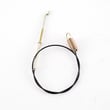
- Confirm the forward drive control engages smoothly and returns fully: tiller forward drive control cable 946-0918.
- If the engine runs but the tines do not pull, inspect the belt for glazing, cracking, or stretching: mtd tiller drive belt 954-0428.
| Symptom | What to inspect first | Common fix |
|---|---|---|
| Surging idle | Air filter, fuel quality | Replace air filter; refresh fuel |
| No tine drive | Belt, control cable | Replace belt; adjust/replace cable |
| Hard starting | Spark plug, air filter | Replace plug; replace air filter |
| Fuel smell or seepage | Fuel cap seal/vent | Replace cap |
A front-tine tiller depends on steady engine airflow and correct belt tension to keep tine speed consistent. Fixing simple maintenance items early helps prevent belt slip, poor soil breakup, and repeated no-start problems.
Last updated: January 2026