Owner’s manual
 Error Codes




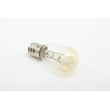
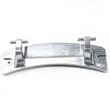
What is the most common problem with LG dryers?
For the LG DLE2301R dryer, the most common repair we see across LG dryers is a no-heat or poor-heat condition, and the heating circuit is usually where the failure is found. The top culprit is typically the heating element, followed by heat-safety devices and airflow-related overheating.
Most common issues (and what they usually look like)
- No heat at all: dryer runs but clothes stay cold or damp
- Long dry times: heat is weak or airflow is restricted
- Stops mid-cycle: overheating protection trips, or a sensor reads out of range
- Burning smell or very hot cabinet: restricted venting or lint buildup
- Thumping/squealing noise: drum support or belt-drive components wearing
Quick “most common” breakdown (practical ranking)
These are the most frequent problem areas we troubleshoot first on LG electric dryers like model DLE2301R:
| Rank | Problem area | What fails most often | What you notice |
|---|---|---|---|
| 1 | Heating circuit | Heating element | No heat or weak heat |
| 2 | Overheat protection | Thermal fuse / thermostats | No heat, dryer may stop |
| 3 | Airflow system | Lint screen, duct restriction, blower | Long dry times, overheating |
| 4 | Sensors | Thermistor, moisture sensor | Odd cycle behavior, damp loads |
| 5 | Drum support/drive | Rollers, idler pulley, belt | Noise, drum not turning |
Parts we commonly check first on DLE2301R
If your symptom is “won’t heat” or “takes too long,” these model-compatible parts are common suspects:
- Dryer heating element 5301EL1001J
- Dryer high-limit thermostat 6931EL3003D
- Dryer blower thermostat 6931EL3002M
- Dryer thermistor AGM30045804
- Dryer lint filter 5231EL1003B
Why it matters
A weak heating element or a restricted vent can cause long dry times and overheating. Overheating can trip safety thermostats and fuses, turning a simple airflow issue into a repeat no-heat problem.
Helpful model-specific reference
For venting limits, duct condition testing, and safety steps, follow the DLE2301R user manual.
Last updated: January 2026
What is the average lifespan of an LG dryer?
An LG dryer like model DLE2301R typically lasts 13 years with normal household use. Consistent airflow (clean lint screen and clear venting), avoiding overloads, and fixing small issues early are the biggest factors that help your dryer reach or exceed that average.
What affects lifespan the most
We see dryer life shortened most often by heat stress and restricted airflow. For DLE2301R, follow the maintenance and venting guidance in the DLE2301R user manual.
- Clean the lint screen before every load; replace a damaged screen such as the dryer lint filter 5231EL1003B
- Keep the exhaust duct run short and unobstructed; crushed or long ducting makes the heater and thermostats work harder
- Do not overload; heavy loads strain the drum belt, idler pulley, and motor
- Use the right cycle and temperature for the fabric; excessive heat accelerates wear
- Address new noises quickly (thumping, squealing, scraping) before they damage the drum support system
Quick “life extension” checklist for DLE2301R
| Task | How often | Why it helps |
|---|---|---|
| Clean lint screen | Every load | Improves airflow and drying efficiency |
| Inspect/clean venting | Every 6 to 12 months | Reduces heat buildup and run time |
| Level the dryer | At install and after moves | Reduces vibration and wear |
| Listen for roller/belt noise | Ongoing | Prevents secondary damage |
Common wear items that can limit service life
These parts do not set the dryer’s lifespan by themselves, but worn components can cause bigger failures if ignored:
- Drum support rollers (thumping) such as the dryer drum support roller 4581EL2002L
- Drum belt (drum not turning, burning smell) such as the dryer drum belt 4400EL2001F
- Heating and temperature sensing components (long dry times, overheating) such as the dryer thermistor AGM30045804
Why it matters
A dryer that is taking longer to dry or running hotter than normal is usually working harder than it should. That extra heat and run time can shorten the life of the heating system, motor, and drum support parts.
Last updated: January 2026
Why does an LG sensor dry dryer take so long to dry?
Long dry times on an LG DLE2301R sensor-dry cycle are usually caused by restricted airflow (lint screen, housing, or vent duct) or the moisture-sensing system not reading correctly, which makes the dryer keep running. Start with airflow checks, then inspect the moisture sensor and heating performance using the DLE2301R user manual.
Quick checks that fix most long-dry complaints
- Clean the lint screen before every load; wash it with warm water and a soft brush if you use dryer sheets.
- Check the lint screen housing for buildup or a sock stuck below the filter.
- Inspect the vent hose behind the dryer for kinks, crushing, or long runs.
- Confirm the outside vent hood opens fully and is not blocked by lint.
- Avoid overloading; tightly packed loads prevent proper sensor readings.
Parts to inspect on the DLE2301R (when cleaning is not enough)
If airflow is good but sensor cycles still run too long, these model-compatible parts are common suspects:
- Dryer lint filter 5231EL1003B (torn, warped, or not sealing well)
- Dryer moisture sensor 6500EL3001A (dirty bars or failed sensor)
- Dryer thermistor AGM30045804 (incorrect temperature feedback)
- Dryer heating element 5301EL1001J (weak heat can extend cycles)
Symptom-to-cause guide
| What you notice | Most likely cause | What we recommend |
|---|---|---|
| Clothes are hot but still damp | Poor airflow, sensor not detecting moisture | Clean venting, clean sensor bars, reduce load size |
| Clothes are cool and damp | Heating problem | Check heat output; test heater and thermostats |
| Cycle time keeps extending | Moisture sensor not reading correctly | Clean sensor bars; inspect sensor and harness |
| Lint around door or cabinet | Lint screen or housing not sealing | Inspect filter and housing for gaps |
Why it matters
Sensor dry relies on steady airflow and accurate moisture readings. When exhaust flow is restricted or the sensor system is “blind,” the DLE2301R can run longer, waste energy, and leave loads inconsistent.
For more step-by-step help, we recommend our dryer takes a long time to dry guide.
Last updated: January 2026