Installation guide
 Error Codes


How to identify a Kenmore washer model?
Your Kenmore washer model number is printed on the appliance’s model and serial tag. On Kenmore washers it’s most often under the lid (top-load) or around the door opening (front-load); for this page, the model number you’re matching parts to is 11082874820.
Where to look on the washer
Check these common locations first:
- Top-load washers: under the lid, along the rim of the tub opening
- Front-load washers: on the door opening, door frame, or behind the door
- Any style: back panel near the power cord, or near the control console
- If the tag is worn: use a flashlight and look for faint stamped or printed characters
What the model number looks like (and why it matters)
Kenmore washer model numbers are typically 10 to 12+ characters and often start with 110. Using the exact model number helps us match the correct parts list, diagrams, and repair instructions so you don’t order a similar-looking part that won’t fit.
Quick check table
| What you see on the tag | What it means | What to do next |
|---|---|---|
| 11082874820 | Full model number | Use it to select parts for this exact washer |
| 110.xxxxxxxx (with a dot) | Same model family format | Write down all digits after 110 |
| Serial number only | Build date/sequence | Keep looking for the model number line |
Tips to avoid ordering the wrong part
- Copy the model number exactly, including all digits
- Don’t use the serial number in place of the model number
- If you’re between two close model numbers, match the full number on the tag
- Use the model number to confirm fit before buying common wear items like a water pump WP3363394 or coupling 285753A
Why it matters
Small model-number differences can change the drive system, lid switch style, or drain setup. Getting the exact model number first saves time and prevents returns.
For additional identification and setup details, use the installation guide.
Last updated: February 2026
What is the average lifespan of a Kenmore washer?
A Kenmore washer typically lasts 10 to 15 years with normal household use; for the Kenmore 11082874820, good loading habits and basic upkeep help you reach the high end of that range, while chronic overloading and unresolved leaks or draining problems shorten it. See the 11082874820 installation guide for setup details that help prevent early wear.
Typical lifespan and what affects it
Most top-load washers like this Kenmore model land in the same real-world window, but these factors move the needle:
- Load size and balance: frequent overloading strains the drive system and suspension
- Water quality: hard water accelerates valve and seal wear
- Drain performance: slow draining makes the pump work harder
- Spin vibration: repeated out-of-balance loads fatigue springs and mounting points
- Small issues left unfixed: minor leaks can turn into bearing, clutch, or gearcase damage
Parts that commonly limit washer life
When a washer stops cleaning well, won’t spin, or won’t drain, these are frequent wear items on this platform:
- Water pump WP3363394 (draining issues, humming, leaks)
- Coupling 285753A (motor runs but tub does not agitate or spin)
- Clutch 285785 (weak or intermittent spin)
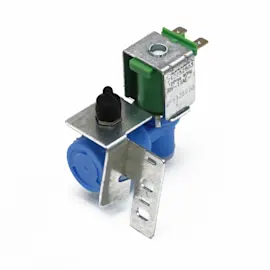
- Valve 285805 (slow fill, no fill, or leaking into tub)
- Washer suspension spring WP63907 (excessive shaking, out-of-balance spins)
Quick “extend the life” checklist
Use these habits to reduce stress on the motor, transmission, and tub system:
- Keep loads below the top of the basket and distribute items evenly
- Use the right amount of HE detergent (too much causes residue and extra rinsing)
- Check pockets and wash small items in a mesh bag to reduce pump clogs
- If it starts banging in spin, stop and rebalance the load
- Fix drips and slow drains promptly to avoid secondary damage
Symptom-to-likely-cause guide
| Symptom | Common cause | What to check first |
|---|---|---|
| Won’t drain | Pump or blockage | Pump inlet, hose, coins/socks |
| Won’t spin well | Clutch or suspension | Load balance, springs, clutch wear |
| Won’t agitate | Coupling or agitator drive | Coupling condition, agitator movement |
| Slow or no fill | Inlet valve or screens | Hose screens, valve function |
Why it matters
A washer that is maintained and repaired early usually costs less to keep running because small wear parts (like a pump, coupling, or valve) help protect bigger-ticket assemblies such as the drive system and basket.
Last updated: February 2026
What is the capacity of a Kenmore washer model 11082874820?
The Kenmore washer model 11082874820 has a 3.2 cu. ft. capacity, which is a common mid-size tub volume for many Kenmore top-load washers. For the most accurate confirmation tied to your exact configuration, use the 11082874820 installation guide.
What 3.2 cu. ft. means in everyday loads
A 3.2 cu. ft. washer typically handles routine household laundry without overfilling the basket.
- 1 to 2 bath towels plus a few smaller items is usually fine
- A mixed load of shirts, underwear, and jeans fits well when loosely loaded
- Bulky items (comforters, heavy blankets) may need a laundromat-size washer
- Overloading reduces cleaning and can cause off-balance spinning
- Underloading can also cause imbalance with heavy items
Quick capacity comparison
| Washer capacity | Best for | Notes |
|---|---|---|
| 2.5 to 3.0 cu. ft. | Small households | More loads per week |
| 3.1 to 3.5 cu. ft. | Most households | Balanced size and water use |
| 3.6+ cu. ft. | Larger loads | Better for bulky items |
Why it matters
Capacity affects how well the washer agitates, rinses, and spins. Keeping loads sized correctly helps protect key drive and suspension components and reduces vibration during spin.
If the washer struggles with heavy or off-balance loads
If you are seeing shaking, poor spin, or clothes staying wet, these checks help:
- Load items evenly around the basket, not in one pile
- Use the correct water level (if your model has a selector)
- Check for a worn washer suspension spring WP63907 if the tub bounces excessively
- If agitation is weak, inspect common wear items like agitator dog 80040
Last updated: February 2026