Owner’s manual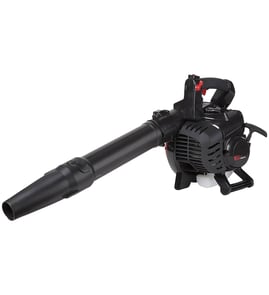



Is a higher MPH or CFM better for a leaf blower?
Higher CFM is better when you want to move more leaves at once, while higher MPH is better when you need more force to dislodge wet, stuck, or heavier debris. For the Poulan PR46BT, the best choice depends on whether you prioritize volume clearing (CFM) or punch and reach (MPH); a balanced mix is most versatile.
What CFM and MPH actually do
- CFM (cubic feet per minute): measures air volume; helps roll and push broad piles across lawns and driveways.
- MPH (miles per hour): measures air speed; helps break loose packed leaves, pine needles, and damp debris.
- They work together: high MPH with low CFM can feel “sharp” but narrow; high CFM with low MPH can feel “soft” but wide.
- Nozzle and tube length matter: restrictions, leaks, or a loose connection can reduce real-world performance.
Quick guide: which spec to prioritize
| Your typical job | Prioritize | Why |
|---|---|---|
| Large open areas, light dry leaves | Higher CFM | Moves more material per pass |
| Wet leaves, matted debris, gravel edges | Higher MPH | More force to break debris free |
| Mixed yard cleanup (most homeowners) | Balanced CFM + MPH | Best all-around control |
| Tight spots (beds, corners) | Slightly higher MPH | Better precision and reach |
PR46BT tips to get the most from the blower you already own
We recommend these model-appropriate checks because restrictions and air leaks can make any blower feel weak:
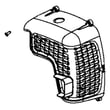
- Keep the air intake screen clear of leaves and debris.
- Use the lowest throttle that gets the job done; it improves control and reduces dust.
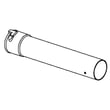
- Confirm the tube connections are tight and not cracked.
- Clean the air filter regularly; a restricted intake reduces power.
- Use the correct fuel mix and fresh fuel to maintain engine output.
For operating and maintenance details specific to this model, follow the PR46BT operator’s manual.
Why it matters
CFM and MPH are useful for comparing blowers, but real performance also depends on maintenance (air filter, intake screen), tube sealing, and using the right technique for the debris type. Keeping your PR46BT running at full output often matters more than chasing a single number.
Last updated: January 2026
What is the best gas leaf blower on the market?
The “best” gas leaf blower depends on the job size and how long you’ll run it; for Poulan PR46BT owners, the best choice is usually a backpack blower that balances power, comfort, and serviceable parts. Use our PR46BT operator’s manual to match features like throttle control, harness fit, and maintenance needs to your yard.
How we recommend choosing the best gas leaf blower
We focus on the factors that most affect real-world performance and ownership cost:
- Type: backpack for longer sessions; handheld for quick cleanup
- Power feel: strong airflow for wet leaves and debris; steady throttle response
- Comfort: padded harness, vibration control, and good tube balance
- Maintenance access: air filter, spark plug, and fuel system are easy to service
- Noise and debris control: ability to run at lower throttle when full power is not needed
Where the Poulan PR46BT fits in
The PR46BT is a backpack-style gas leaf blower designed for blowing lawns, pathways, and similar surfaces. It includes features like cruise control and a harness system, which are the same “must-haves” we look for when recommending any backpack blower.
Quick comparison (what “best” usually means)
| Buyer need | What to prioritize | Best match type |
|---|---|---|
| Heavy leaf loads, large yards | Comfort + sustained airflow | Backpack blower |
| Small yard, quick cleanup | Low weight + easy storage | Handheld blower |
| Lowest ownership hassle | Easy filter/plug access + common service parts | Either, but simpler is better |
Why it matters
A blower that is “best on paper” can still be a poor fit if it is uncomfortable, hard to maintain, or overpowered for your typical cleanup. Choosing the right style and serviceability helps you get better results with less fatigue and fewer starting or performance issues.
Maintenance tip that affects “best” performance
If your blower starts hard or feels weak, the most common maintenance items to check first are the air intake and air filter. For PR46BT repairs, a common related component is the leaf blower air box assembly 501424332, which supports proper airflow and filtration.
Last updated: January 2026
Is Poulan Pro a good brand leaf blower?
Poulan Pro is generally a solid value brand for homeowners, and the Poulan PR46BT gas leaf blower is built for typical yard cleanup like lawns, pathways, and driveways. “Good” depends most on matching power, comfort, and maintenance needs to how often you use it; our PR46BT operator’s manual helps you set it up and maintain it correctly.
What “good” usually means for the PR46BT
When customers are happy with a backpack blower like the PR46BT, it is usually because it checks these boxes:
- Strong airflow for moving dry leaves and light debris
- Comfortable harness fit for longer sessions
- Reliable starting when fuel mix and air filter are correct
- Manageable weight and vibration for homeowner use
- Parts support for common wear items (fuel system, tubes, muffler)
How to judge if it is the right blower for you
Use this quick checklist before you decide:
- Yard size: Small to medium yards are a great fit; very large lots may justify a heavier-duty pro unit.
- Debris type: Leaves and grass clippings are ideal; wet, matted debris takes more time and technique.
- Noise tolerance: Gas blowers are loud; always use hearing protection.
- Maintenance comfort: You will need routine air filter cleaning, spark plug checks, and correct fuel mixing.
- Repairability: If you want to keep it running for years, plan on occasional part replacement.
Common “value brand” issues and the parts that often solve them
If performance drops, these are typical fixes on gas backpack blowers:
| Symptom | Common cause | What to check first |
|---|---|---|
| Hard starting | Old fuel or incorrect mix | Fresh 50:1 fuel mix, purge bulb use, choke setting |
| Low power | Dirty intake or air filter | Air intake screen and air box area |
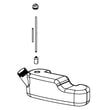
| Fuel smell or leaks | Cap or tank issue | Fuel cap seal and tank condition |
If you suspect a fuel cap problem on the PR46BT, replacing the leaf blower fuel tank cap 501424343 is a common, straightforward repair.
Why it matters
A “good” leaf blower is one you can start easily, run safely, and maintain without surprises. Following the correct fuel mix, keeping the air intake clear, and staying on top of basic service usually makes the PR46BT feel much more powerful and dependable.
Last updated: January 2026