Owner’s manual
 Error Codes


What is the capacity of the WF350ANP?
The Samsung WF350ANP washer has a 3.7 cubic feet wash basket capacity, which is a common size for full-size front-load washers and is large enough for bulky items like towels and bedding. For cycle-specific load guidance, use the WF350ANP owner's manual.
What 3.7 cu. ft. means for everyday loads
A 3.7 cu. ft. front-load washer typically handles these load types well:
- A full set of bath towels
- A queen sheet set plus a few small items
- Several pairs of jeans and shirts in one mixed load
- Medium-size comforters (check the care label and avoid overpacking)
Quick capacity comparison (helpful sizing guide)
| Washer capacity | Best for | Typical household fit |
|---|---|---|
| 2.0 to 2.8 cu. ft. | Smaller loads, limited space | 1 to 2 people |
| 3.0 to 3.9 cu. ft. | Everyday mixed laundry, towels | 2 to 4 people |
| 4.0+ cu. ft. | Large/bulky loads more often | 4+ people |
Why it matters
Capacity affects cleaning and spin performance. When the drum is overfilled, clothes cannot tumble freely, which can lead to poor rinsing, extra vibration, and longer cycle times.
Tips to get the best results from a 3.7 cu. ft. front-load washer
- Load loosely; leave space at the top of the drum for tumbling
- Use HE detergent and measure carefully to reduce oversudsing
- Balance heavy items (for example, mix towels with a few smaller items)
- If you see heavy shaking, reduce load size and re-level the washer
Last updated: February 2026
What is the life expectancy of a Samsung front load washing machine?
A Samsung front load washer like model WF350ANP typically lasts about 10 years with average use. With consistent care (proper loading, correct detergent, and routine cleaning), it’s common to get 12 to 15 years of service before major repairs become more likely; see the WF350ANP owner's manual for care guidance.
Typical lifespan ranges
Front load washers tend to follow a predictable pattern: early years are mostly maintenance, later years are more repair-driven.
- 0 to 5 years: routine upkeep (cleaning, leveling, hoses)
- 6 to 10 years: occasional repairs (drain, door seal, vibration)
- 10+ years: higher chance of major wear (pump, bearings, control)
| Usage pattern | Typical life expectancy | What usually limits life |
|---|---|---|
| Light (1 to 3 loads/week) | 12 to 15 years | seals, pump, minor leaks |
| Average (4 to 7 loads/week) | ~10 years | pump, door boot, suspension |
| Heavy (multiple loads/day) | 7 to 9 years | bearings, motor system, controls |
What shortens life fastest
These are the most common causes of early failure in front load washers.
- Overloading the drum or washing heavy items unbalanced
- Too much detergent (especially non-HE), leading to residue and odor
- Poor leveling, causing excessive vibration and tub stress
- Skipping drain pump filter cleaning, leading to slow drain or no-drain
- Leaving the door closed after use, trapping moisture and promoting mold
Repairs that often extend washer life
If your WF350ANP starts shaking, leaking, or not draining, these parts are commonly involved.
- Vibration and banging: Samsung washer shock absorber DC66-00470B
- No-drain or slow drain: washer drain pump DC31-00054D
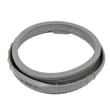
- Leaks at the door opening: washer door boot DC97-14932F
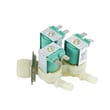
- Fill problems: washer water inlet valve DC62-30314K
Why it matters
Knowing the expected lifespan helps you decide whether to maintain, repair, or replace. A well-maintained front load washer usually costs less per year to own because it avoids repeat issues like odor, leaks, and vibration damage.
Last updated: February 2026
What is the most common problem with Samsung washing machines?
The most common problem we see with Samsung washers like model WF350ANP is a spin or drain issue that leaves clothes wet at the end of the cycle. It is usually caused by an unbalanced load, a drain restriction, or a failing drain component; start with the checks in the owner's manual.
Quick checks we recommend first
- Redistribute the load; bulky items can throw the tub off balance and stop or slow the spin.
- Run a Rinse + Spin cycle with the washer empty to see if it reaches full spin.
- Check the drain hose for kinks, clogs, or an overly high standpipe setup.
- Clean out coins, lint, and debris from the pump filter area (if equipped) and the tub.
- Listen during drain: a loud hum with little or no water flow often points to a drain restriction or pump problem.
Common symptoms and the most likely causes
| What you notice | What it usually means | Parts that often relate |
|---|---|---|
| Washer will not drain or drains slowly | Drain path blocked or pump not moving water | Drain pump, hoses |
| Washer fills but will not spin | Load out of balance, door not locking, or control sensing an issue | Door lock switch, suspension |
| Banging or walking during spin | Suspension not controlling tub movement | Shock absorbers |
| Error code related to drain or spin | The washer detected a drain or balance fault | Drain pump, suspension |
Parts that commonly fix spin and drain complaints on WF350ANP
If your troubleshooting points to a failed component, these are common repair parts for this model:
- Washer drain pump DC31-00054D (no-drain, slow-drain, wet clothes)
- Samsung washer shock absorber DC66-00470B (excess vibration, banging, off-balance)
- Washer door lock switch DC34-00024B (won’t spin because the door won’t lock)
- Washer water inlet valve DC62-30314K (fill problems that can interrupt cycles)
Why it matters
Spin and drain problems are more than an inconvenience; standing water and low-spin finishes can lead to odor, residue, and extra wear on the tub and suspension. Catching the cause early helps prevent repeat errors and secondary damage.
Helpful model-matched troubleshooting
For Samsung front-loaders, we use these guides to narrow down what the washer is detecting:
- Samsung front load washer nd error code
- Samsung front load washer dc error code
- Samsung front load washer error codes
Last updated: February 2026