Owner’s manual
 Error Codes


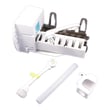
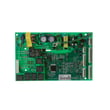
What is the most common problem with a GE refrigerator?
Cooling problems are the most common issue we see with GE refrigerators, including the GE GSHS6LGBBHSS side-by-side. In many homes, the root cause is airflow or temperature-control related (dirty condenser coils, a failing fan, a bad sensor, or defrost trouble) rather than a sealed-system failure.
Most common symptoms customers notice
- Fresh food section is warm but freezer seems OK
- Freezer is warm and ice production slows or stops
- Temperature swings, food freezing in the refrigerator section
- Frost buildup on the back wall or around vents
- Compressor runs a lot, or the refrigerator seems unusually noisy
Quick checks that fix many “not cooling” complaints
Use these steps first because they are fast and cost nothing.
- Confirm the controls are set correctly (avoid the coldest setting unless needed)
- Make sure vents inside both compartments are not blocked by food packages
- Clean the condenser coil area and confirm the condenser fan is running
- Check door gaskets for gaps, tears, or doors not closing fully
- After any change, give temperatures 24 hours to stabilize
Parts that commonly cause cooling and temperature issues
If basic checks do not help, these parts are frequent culprits on side-by-side designs:
| What it affects | Common suspect part | What you might notice |
|---|---|---|
| Temperature accuracy | Temperature sensor | Temps drift, food freezes or warms unexpectedly |
| Air circulation | Evaporator fan motor | Warm refrigerator section, weak airflow |
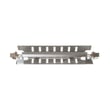
| Defrost performance | Defrost heater or defrost thermostat | Frost buildup, airflow gets restricted |
Model-matched examples include the GE profile refrigerator temperature sensor WR55X10025 and the refrigerator evaporator fan motor WR60X10307.
Why it matters
Cooling issues can look like a “bad compressor,” but many problems are caused by airflow restrictions, incorrect settings, or a single failed control or defrost component. Fixing the true cause protects food, reduces run time, and helps prevent repeat failures.
Safety note before troubleshooting
Unplug the refrigerator before cleaning or making repairs; turning the unit off at the controls does not shut off electrical power. For model-specific procedures and diagrams, use the GSHS6LGBBHSS owner’s manual.
Last updated: January 2026
Are GE side by side refrigerators good?
GE side-by-side refrigerators like model GSHS6LGBBHSS are a solid, practical choice for everyday use; they are known for convenient storage, easy access to both fresh food and freezer sections, and common features like an ice maker and water dispenser. For the best long-term results, follow the care and filter guidance in the GSHS6LGBBHSS owner’s manual.
What “good” usually means for this style
A side-by-side refrigerator is typically considered “good” when it holds steady temperatures, dispenses water and ice reliably, and stays organized without constant rearranging.
Common strengths customers value:
- Spacious, easy-to-sort fresh food and freezer compartments
- Adjustable shelving and door bins for flexible storage
- Convenient in-door water and ice dispensing
- Bright interior lighting (some versions use LED assemblies)
What to watch for (and how to prevent issues)
Many performance complaints come from maintenance, airflow, or water filtration problems rather than the sealed system.
Best practices that protect performance:
- Replace the water filter on schedule; a clogged filter can reduce water flow and affect ice production
- Use the filter bypass plug if a filter is not installed; the dispenser and icemaker may not operate without a filter or bypass plug
- Keep vents inside the refrigerator and freezer clear so cold air can circulate
- Set temperatures and allow 24 hours for changes to stabilize
- Clean condenser area periodically to help cooling efficiency
Water and ice: filter choices that matter
Your GSHS6LGBBHSS uses a cartridge-style water filter system. For reliable dispensing and ice maker performance, use the correct filter type and install it fully.
| Item | What it affects | Example part for this model |
|---|---|---|
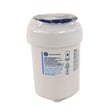
| Water filter | Taste, odor, flow rate, ice production | Refrigerator water filter MWFP |
| Filter head and tubing | Leaks, poor flow, filter fit | Refrigerator filter head and tub WR02X45206 |
Why it matters
A side-by-side refrigerator can run for years with consistent temperatures and dependable ice and water, but it only stays “good” when airflow is unobstructed and the filtration system is maintained correctly.
Last updated: January 2026
Why is my GE side by side freezing up?
On the GE GSHS6LGBBHSS side-by-side refrigerator, “freezing up” is usually caused by airflow being blocked by frost/ice buildup or by temperatures being set too cold. Start by confirming the factory-recommended settings (37°F fresh food, 0°F freezer) in the GSHS6LGBBHSS owner’s manual and then check for frost patterns and fan operation.
Quick checks that fix many freeze-ups
- Verify the temperature controls are set to 37°F (refrigerator) and 0°F (freezer); allow 24 hours to stabilize after changes.
- Make sure vents are not blocked by food packages; keep space in front of air returns.
- Confirm both doors seal tightly; a small air leak can drive heavy frost.
- If the dispenser water line or reservoir is freezing, raise the refrigerator setting slightly (warmer).
- If you see heavy frost on the freezer back wall, suspect a defrost problem.
What “freezing up” usually means (and what to check)
| Symptom | Most common cause | What we recommend first |
|---|---|---|
| Freezer packed with frost, fan noise changes | Defrost system issue | Inspect for heavy frost; plan to test heater/thermostat |
| Fresh food items freezing | Controls too cold or airflow imbalance | Set to 37°F; unblock vents |
| Water dispenser slows then stops, icemaker still works | Reservoir or line freezing | Set to a warmer setting; check for restricted airflow |
| Ice clumps at dispenser/chute | Chute door not sealing | Inspect chute door and clear ice |
Parts that commonly relate to freeze-up symptoms
If you confirm a defrost-related frost buildup, these model-matched parts are common suspects:
- Refrigerator defrost heater WR51X10055 (melts frost off the evaporator)
- Refrigerator defrost bi-metal thermostat WR50X10065 (controls heater operation based on temperature)
- Refrigerator evaporator fan motor WR60X10307 (moves cold air; weak airflow can worsen icing)
If the issue is a freezing dispenser line caused by a valve that seeps and refreezes in the tube, check:
Why it matters
Ice buildup restricts airflow, so the refrigerator overcools some areas while starving others of cold air. Fixing the root cause (settings, airflow, door sealing, or defrost components) restores stable temperatures and helps prevent repeat freeze-ups.
Last updated: January 2026
How big is the GE AutoFill pitcher?
The GE GSHS6LGBBHSS side-by-side refrigerator uses a standard in-door dispenser setup; an AutoFill pitcher size is not a defined specification for this model. If you are using an add-on or accessory pitcher, measure its fill line capacity in ounces or cups and match it to your household needs.
How to identify what you have
- Check whether the pitcher is a removable accessory or built into the dispenser area
- Look for a label or molded marking on the pitcher (oz, cups, mL)
- Compare the pitcher shape to the dispenser cavity clearance
- Confirm your refrigerator’s dispenser features in the GSHS6LGBBHSS manual
Quick way to measure capacity at home
- Empty the pitcher and place it on a level surface.
- Fill to the “MAX” line using a measuring cup.
- Add up the total cups or ounces.
| Unit | Conversion |
|---|---|
| 1 cup | 8 oz |
| 1 liter | 33.8 oz |
| 60 oz | 7.5 cups |
Why it matters
Pitcher capacity affects how often you refill and how quickly you use filtered water. If you rely on the dispenser for drinking water, keeping filtration current helps maintain taste and flow.
If your goal is better dispenser water flow
- Replace the water filter on schedule
- Flush several glasses after a filter change to clear air and carbon fines
- Make sure the household shutoff valve is fully open
- Check the supply line behind the refrigerator for kinks
If you need a replacement filter for this model’s filtration system, use the GE refrigerator water filter MWFP.
Last updated: January 2026