Installation guide
 Owner’s manual
 Error Codes



What is the most common problem with a GE dryer?
For the GE GTDP300GM1WS gas dryer, the most common problems we see are no heat or long dry times, and the most frequent root cause is restricted airflow from lint buildup or an improper vent setup. Airflow issues can also overheat the dryer and trip safety thermostats.
Most common symptoms and what they usually point to
- No heat but drum tumbles: ignition or heat-safety components, plus airflow restrictions
- Long dry times: clogged lint screen, crushed/too-long vent, blocked exterior hood
- Dryer stops mid-cycle: overheating from poor venting, then a thermostat opens
- Burning smell or very hot cabinet: vent restriction (fire risk) or lint accumulation
- Squealing or scraping noise: worn drum support parts (glides, pads, bearings)
Airflow and venting checks (highest payoff)
Your installation matters on this model because the dryer must be exhausted outdoors and uses 4-inch ducting. We follow these quick checks first:
- Clean the lint screen before every load
- Inspect the vent run for kinks, crushing, or heavy lint
- Confirm the duct is 4 in. (102 mm) and not longer than recommended for the number of elbows
- Make sure the outside vent hood opens fully while running
- Replace plastic or foil transition duct with a UL-listed metal transition duct
Why it matters
Restricted airflow increases drying time and energy use, and it can overheat the dryer, which leads to nuisance shutdowns and premature failure of heat-safety parts.
Common parts involved (by symptom)
| Symptom | Commonly involved area | Example part on this model |
|---|---|---|
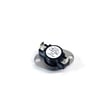
| No heat / overheating shutdown | Heat safety control | Dryer high-limit thermostat WE4M137 |
| Long dry times | Air movement | Dryer blower wheel WE16X20393 |
| Squeal, scrape, thump | Drum support | Dryer drum front glide pad WE03X37318 |
Where to confirm model-specific guidance
For venting rules, safety notes, and installation requirements for the GTDP300GM1WS, use the installation guide. For parts diagrams and ordering, you can use the parts list for this model or search by model number on Sears PartsDirect.
Last updated: February 2026
What is the lifespan of a GE dryer?
A GE dryer typically lasts 10 years. With consistent maintenance and prompt repairs, many dryers reach 13 years of service. For your GE GTDP300GM1WS gas dryer, good airflow (clean lint system and proper venting) is the biggest factor in extending life; see the owner's manual.
What affects dryer lifespan the most
- Vent restriction (crushed duct, long run, clogged vent hood)
- Lint buildup in the lint screen housing and blower area
- Overloading (extra strain on drum supports and motor)
- Heat stress from poor airflow (can shorten thermostat and igniter life)
- Delayed repairs (a small noise can become drum or bearing damage)
Maintenance that adds years (GTDP300GM1WS)
We recommend these habits for GE gas dryers:
- Clean the lint screen every load.
- Inspect and clean the full vent path regularly; the installation instructions specify exhausting to the outdoors and using 4-inch metal ducting for best performance.
- Keep the dryer area above 50°F for proper control operation.
- If installed in a garage (where allowed), follow elevation guidance in the installation guide.
Common wear items and what they usually mean
| Symptom | Most common cause | Typical fix |
|---|---|---|
| Squealing, scraping, thumping | Drum glides or bearing wear | Replace glide/bearing parts (often as a set) |
| Long dry times, hot cabinet | Airflow restriction or blower issue | Clear venting; inspect blower |
| Runs but no heat (gas) | Ignition or safety control issue | Diagnose igniter, sensor, thermostats |
If you’re hearing front-drum noise, the dryer drum glide bearing (green) WE03X37317 is a common wear part on this model.
Why it matters
A dryer that is kept clean and properly vented runs cooler and dries faster; that reduces stress on the drive motor, drum supports, and gas heating components, which directly extends the service life.
For replacement parts for GE GTDP300GM1WS, use the parts list for this model or search by model number on Sears PartsDirect.
Last updated: February 2026
What is the most dependable gas dryer?
For long-term dependability, the most reliable gas dryers are typically the simplest, well-supported models with widely available replacement parts and straightforward service access. Your GE GTDP300GM1WS is built around common, serviceable gas-dryer systems; following the venting and installation requirements in the installation guide is one of the biggest factors in keeping any gas dryer dependable.
What “dependable” means for a gas dryer
A dependable gas dryer is one that:
- Heats consistently without cycling off on safety limits
- Dries in normal times (not 2 to 3 cycles per load)
- Runs quietly (no scraping, squealing, or thumping)
- Has readily available wear parts (glides, bearings, thermostats)
- Can be installed and vented correctly (this matters more than most people expect)
What to look for when choosing a dependable model
When comparing gas dryers, prioritize these practical factors:
- Simple controls and fewer “extras”: fewer components to fail
- Strong parts availability: common items like thermostats, igniters, and drum supports
- Good airflow design: less lint buildup and less overheating
- Service access: easier belt, blower, and burner service
- Correct venting compatibility: supports 4-inch metal duct runs without restrictions
Reliability checklist you can apply to any brand
Use this quick checklist before you buy:
| What to check | What you want | Why it helps reliability |
|---|---|---|
| Venting requirements | 4-inch metal duct to outdoors | Reduces overheating and shutdowns |
| Common wear parts | Glides, bearings, thermostats available | Faster, cheaper repairs |
| Burner system support | Igniter and gas valve parts available | Restores heat quickly when issues occur |
| Noise control | Stable drum support design | Less wear on drum and cabinet |
Why it matters (especially for gas dryers)
Most “unreliable dryer” complaints are actually airflow or installation problems. For the GTDP300GM1WS, proper venting to the outdoors and using 4-inch rigid metal ducting are key steps that help prevent overheating, long dry times, and repeated thermal-limit trips. Those conditions shorten the life of thermostats, sensors, and even the motor.
Parts support examples for GTDP300GM1WS
If you’re judging dependability by how easy it is to keep a dryer running, these common wear and heat-related parts are available for this model:
- Dryer high-limit thermostat WE4M137
- Dryer operating thermostat WE4M216
- Dryer radiant sensor WE4X448
- Dryer burner igniter WE4M449
For ordering by model number or finding additional parts beyond the list shown, use Sears PartsDirect.
Last updated: February 2026