Owner’s manual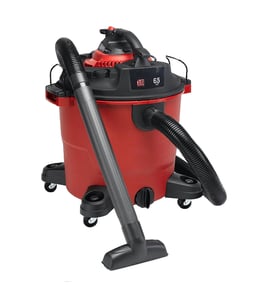

How do I know what shop vac model I have?
To identify your shop vac model, we look for the model number on the vacuum’s ID label, then match that number to the correct parts list and owner's manual. On a Craftsman wet/dry vacuum like model 113177415, the model number is the key detail that ensures you get the right hose, filter, and nozzle parts.
Where to find the model number on a wet/dry vacuum
Check these common spots first (wipe dust off so the print is readable):
- On the power head (motor housing) near the on/off switch
- On the back or side of the tank (drum)
- On the base near the caster feet or wheel area
- Near the vacuum port or blowing port area
If you find 113177415, you have a Craftsman 6 or 9-gallon wet/dry vacuum in this model family.
If the label is missing: what to record to narrow it down
When the sticker is gone, we use physical features and included accessories to narrow the match:
- Tank size (6-gallon vs. 9-gallon)
- Whether your tank has a drain (some 9-gallon versions include one)
- Hose style (for this family, a “Pos-I-Lock” hose snaps into place)
- Included nozzles (utility nozzle, extension wands; some models include a wet nozzle)
- Port layout (vacuum port and a separate blowing port)
Quick comparison for this Craftsman family
| Detail to check | 113177415 (this page) | 113177420 (related model in the manual) |
|---|---|---|
| Capacity family | 6 or 9-gallon platform | 9-gallon |
| Wet nozzle in carton | Not listed as included | Included |
| Drain feature | Not called out | Drain noted on some units |
Why it matters
Wet/dry vac parts are not “one size fits all”. The correct model number helps us match the right filter assembly, hose connection style, and nozzle fit so you get proper suction and safe operation.
Next best step
Use the model number you found to shop the correct diagrams and parts for your vacuum, then search by model if you need additional items on Sears PartsDirect.
Last updated: February 2026
Why did Shop Vac stop working?
If your Craftsman 113177415 wet/dry vacuum suddenly “stops working,” the most common causes are a clogged or wet filter, a blocked hose or inlet, or the float shutting off airflow when the drum is full of liquid. We follow the operating and maintenance steps in the owner's manual to restore normal suction and protect the motor.
Quick checks that fix most “stopped working” complaints
- Unplug the vacuum, then check the hose and inlet for a clog (packed debris is common).
- Confirm the filter is installed correctly for dry pickup; a mis-seated filter can leak and lose suction.
- If you picked up liquids, empty the drum; the float can rise and cut off airflow.
- If the filter is wet and you are trying to pick up dry dust, dry the filter first.
- Inspect the hose for cracks or loose connections that reduce airflow.
Wet pickup vs. dry pickup: set it up correctly
Using the wrong setup can make the motor run but airflow drop to near zero.
| What you are picking up | Filter in place? | What “stops” the vacuum | What to do |
|---|---|---|---|
| Dry debris and dust | Yes (dry filter) | Wet/clogged filter restricts airflow | Clean or dry the filter; empty drum more often for fine dust |
| Small amounts of liquid | Optional | Saturated filter can cause misting and poor airflow | Dry the filter after use |
| Large amounts of liquid | Remove filter (recommended) | Float rises when drum reaches a set level | Turn off, unplug, empty drum; do not run with float raised |
How to dry a wet filter fast (so suction comes back)
If the filter is wet but you need to vacuum dry material, run the vacuum for about 10 minutes with the hose removed. The clean airflow through the unit helps dry the filter so it does not clog immediately.
Why it matters
Low airflow makes the motor work harder and can lead to overheating. Keeping the filter clean and dry, clearing blockages, and emptying the drum when the float shuts off airflow keeps your 6 or 9-gallon wet/dry vacuum performing at peak suction.
For replacement parts and diagrams for Craftsman 113177415, start with the model parts list, or search by model number on Sears PartsDirect.
Last updated: February 2026
Can I use my Craftsman shop vac without a filter?
Yes, but only in limited situations. For your Craftsman 113177415 6 or 9-gallon wet/dry vacuum, we keep the filter installed for dry pickup; for large liquid pickup, we remove the filter to prevent saturation and exhaust misting, then reinstall it before vacuuming dry debris (see the owner's manual).
When it’s OK vs. not OK
- OK (recommended by the manual): picking up large amounts of liquid with the filter removed
- OK (small liquid pickup): the filter can stay installed, but it may get wet
- Not OK: vacuuming dry material without the filter installed (dust can blow out and can damage the motor)
- Not OK: vacuuming very fine dust with the wrong setup; it loads the filter fast and hurts performance
Quick setup guide
| What you’re picking up | Filter installed? | Why |
|---|---|---|
| Dry debris (sawdust, dirt) | Yes | Reduces leaks and protects the motor |
| Very fine dust | Yes (clean often) | Maintains suction and reduces airborne dust |
| Small amounts of liquid | Usually yes | Convenient, but the filter can get wet |
| Large amounts of liquid | No | Prevents saturation and exhaust misting |
Tips that prevent clogs and mess
- If the filter is wet and you need to pick up dry debris, dry it first; running the vac with no hose for about 10 minutes helps move clean air through the unit.
- Empty the drum and clean the filter more often when picking up fine dust to keep peak suction.
- Check the filter for tears or pinholes after cleaning; even small damage can let dust blow out.
- Do not remove the filter cage or float; it helps protect you and shuts off airflow when the drum is full of liquid.
Why it matters
The filter is part of the airflow path that keeps dust contained and helps protect the blower wheel and motor. Using the right filter setup improves suction, reduces dust in the air, and helps your wet/dry vacuum last longer.
To find replacement filters and other compatible items for model 113177415, start with the model parts list, or search by model number on Sears PartsDirect.
Last updated: February 2026