Owner’s manual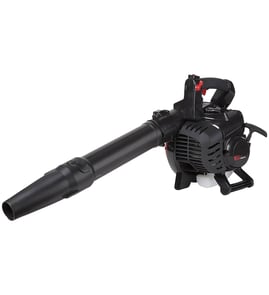



How to find Craftsman leaf blower model number?
For a Craftsman gas leaf blower like model 358794750, the model number is typically printed on a product ID label on the housing near the starter, handle, or air intake area. We use that exact model number to match the correct parts list and diagrams in the 358794750 owner's manual.
Where to look on the blower
Check these common label locations first:
- Rear or side of the engine housing (near the recoil starter cover)
- Under or near the handle grip area
- Near the air filter cover or air intake
- On the bottom of the unit (you may need to tip it carefully)
- Near the fuel tank area (on the frame or housing)
What the model number label looks like
Most Craftsman blowers use a small sticker or metal tag that includes a few identifiers. Use the model number for parts matching.
| Label item | What it’s used for | Example you might see |
|---|---|---|
| Model number | Correct parts lookup | 358794750 |
| Serial number | Manufacturing tracking | Varies |
| Engine info | Service reference | Varies |
If the label is dirty, faded, or missing
Try these quick fixes before you assume the label is gone:
- Wipe the area with a damp cloth and mild soap, then dry it
- Use a flashlight at an angle to read faded printing
- Take a close-up photo and zoom in
- Check for a second label on the opposite side of the housing
Why it matters
Craftsman leaf blowers often look similar across multiple model numbers, but parts like the air filter, primer bulb, fuel line, and carburetor can differ. Using the exact model number helps ensure the right fit the first time.
Last updated: January 2026
What is better, cfm or mph for a leaf blower?
Neither is “better” by itself: CFM (air volume) helps you move lots of dry leaves quickly, while MPH (air speed) helps you break loose wet, stuck, or heavy debris. For a Craftsman 358794750 gas leaf blower, the best choice depends on whether you need broad clearing power (CFM) or concentrated blasting power (MPH).
What each rating does
- CFM (cubic feet per minute): how much air the blower moves; best for clearing large areas.
- MPH (miles per hour): how fast the air exits the nozzle; best for dislodging stubborn debris.
- Nozzle design matters: a narrower nozzle usually increases MPH and focus.
- Vacuum mode (if equipped): airflow and tube condition affect pickup performance.
Quick guide: which should you prioritize?
| Your typical job | Prioritize | Why |
|---|---|---|
| Dry leaves on driveway or lawn | Higher CFM | Moves more material per pass |
| Wet leaves, pine needles in cracks | Higher MPH | Breaks debris loose with force |
| Mulch beds, around plants | Balanced CFM + controllable MPH | Control reduces scatter |
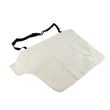
| Vacuuming leaves into a bag | Strong, steady airflow (CFM) | Improves pickup and reduces clogging |
How to get better real-world performance
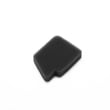
- Keep the air path clean; replace a dirty filter with the leaf blower air filter 545146501.
- Use fresh, properly mixed fuel and inspect for cracked or soft fuel lines.
- If starting and throttle response are inconsistent, check the primer and fuel delivery.
- Make sure tubes and the vacuum door seal correctly to prevent air leaks.
- Follow the correct operating setup and maintenance intervals in the 358794750 owner's manual.
Why it matters
CFM and MPH describe different kinds of power. Matching the rating to your debris type saves time, reduces clogging in vacuum mode, and helps your Craftsman blower run with less strain.
Last updated: January 2026
How many years should a leaf blower last?
A Craftsman gas leaf blower like model 358794750 typically lasts about 8 to 10 years with normal homeowner use and routine maintenance; heavy use can shorten that, and excellent care can push it past 10 years. Following the service intervals in the 358794750 owner's manual helps you get the full lifespan.
What most affects lifespan
- Fuel quality and storage: old gas and ethanol issues are the #1 engine killer
- Air filtration: a clogged filter makes the engine run rich and lose power
- Fuel system condition: cracked lines or a hard primer bulb cause lean running and hard starts
- Cooling and cleanliness: debris buildup can overheat the engine
- How it’s used: long wide-open-throttle sessions and dusty jobs increase wear
Maintenance checklist that adds years
- Replace or clean the air filter regularly; use the correct leaf blower air filter 545146501.
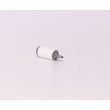
- Inspect fuel lines for soft spots, cracks, or leaks; replace as needed with ayp lawn & garden equipment fuel line, large 530069216.
- If the primer bulb is stiff, cracked, or won’t fill with fuel, replace the ayp leaf blower primer bulb 530035497.
- Empty the fuel tank before long storage, or run the engine dry (per the manual’s storage guidance).
- Keep the intake areas and housing clear so the engine can cool properly.
Quick lifespan guide (typical)
| Use pattern | Typical lifespan | What to watch first |
|---|---|---|
| Light seasonal homeowner use | 10+ years | Fuel aging, dry fuel lines |
| Average homeowner use | 8 to 10 years | Air filter, primer bulb |
| Heavy weekly use | 5 to 7 years | Carburetor wear, vibration damage |
Why it matters
A gas blower’s engine depends on clean air and a sealed fuel system. Small issues like a dirty filter or a tiny fuel leak can make it run lean or overheat, which shortens engine life fast.
Last updated: January 2026
What is the best gas leaf blower for the money?
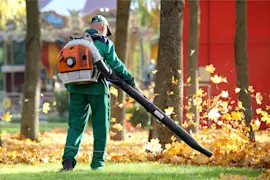
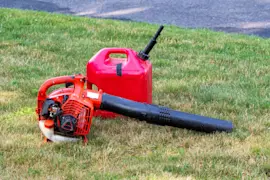
For the best gas leaf blower for the money, we recommend choosing based on how you will use it: most homeowners get the best value from a mid-power handheld, while heavy leaf season or large yards justify a backpack model. For your Craftsman model 358794750, our 358794750 owner's manual helps you compare performance and maintenance needs to what you already own.
Best “value” picks by use case
- Small to medium yards (handheld): prioritize lighter weight and easy starting.
- Large yards or heavy leaf loads (backpack): prioritize higher air volume and comfort.
- Wet leaves and debris: prioritize strong airflow and a clean air filter.
- Occasional use: prioritize simple maintenance and easy storage.
What to compare (the specs that matter)
Most shoppers focus on engine size, but real value comes from matching airflow and comfort to your workload.
- Air volume (CFM): higher moves more leaves per pass.
- Air speed (MPH): higher helps lift stuck or wet debris.
- Weight and balance: lighter handhelds reduce fatigue; backpacks spread load.
- Starting system and controls: easier starting saves time and frustration.
- Maintenance access: quick filter and fuel system service keeps performance consistent.
| If you need... | Prioritize... | Typical best value style |
|---|---|---|
| Quick driveway and patio cleanup | Low weight, easy start | Handheld gas blower |
| Long sessions, big leaf piles | Comfort harness, higher output | Backpack gas blower |
| Reliable performance season to season | Easy filter and fuel upkeep | Either, with good maintenance |
Why it matters for Craftsman 358794750 owners
If your current blower is hard to start or feels weak, it is often maintenance-related, not “underpowered.” A clogged filter or aging fuel line can make a good blower feel like a bad value.
- Replace a dirty filter with the correct part, such as the leaf blower air filter 545146501.
- Fix fuel delivery issues (cracking, leaks, air in the line) with the correct size line, such as the ayp lawn & garden equipment fuel line, large 530069216.
- If priming takes many pushes or the bulb will not fill, inspect the ayp leaf blower primer bulb 530035497.
Last updated: January 2026