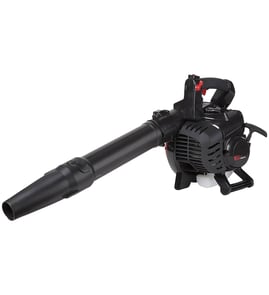



What is the best gas-powered leaf blower on the market?
The “best” gas-powered leaf blower depends on how you’ll use it: backpack blowers win for maximum power and long run time, while handheld blowers are easier to maneuver for quick driveway and patio cleanup. If you’re maintaining a Homelite HB-100, keeping the air intake and engine sealing parts in good shape often delivers more real-world performance than upgrading.
How to choose the best gas blower for your needs
Use these factors to compare models across brands (Homelite, Stihl, Husqvarna, Echo, Craftsman):
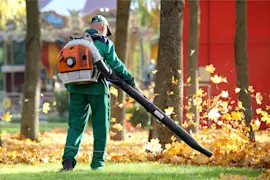
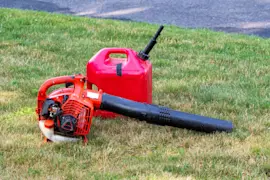
- Type: backpack for heavy leaf loads; handheld for lighter, faster jobs
- Air performance: look at CFM (volume) and MPH (speed) together
- Weight and balance: heavier units fatigue you faster, especially handheld
- Starting and reliability: consistent starting matters more than peak specs
- Noise and vibration: important for comfort and neighborhood use
- Serviceability: easy access to filter, fasteners, and wear parts
Quick comparison: backpack vs handheld
| Feature | Backpack blower | Handheld blower |
|---|---|---|
| Best for | Large yards, wet leaves, long sessions | Small to medium areas, spot cleanup |
| Typical feel | More power, less arm strain | More maneuverable, lighter overall |
| Tradeoff | Bulkier, higher cost | Less peak output for heavy debris |
Why it matters for your Homelite HB-100
If your current HB-100 feels weak, the issue is often airflow restriction or reduced engine sealing, not the blower design. These HB-100 parts are common starting points when performance drops:
- Replace or inspect the air filter: filter 49422
- Check the air box sealing and fit: air filter cover 98761
- If compression is low, engine sealing parts can matter: piston ring 96935
Practical buying guidance
If you’re shopping for a new gas blower, match the tool to the job:
- Choose backpack if you routinely move piles, wet leaves, or large lots
- Choose handheld if you want quick cleanup with less storage space
- Prioritize comfort and reliability over small spec differences
Last updated: February 2026
Is 100 cfm good for a leaf blower?
Yes; 100 CFM is good for light-duty leaf blower work like clearing dry leaves from patios, porches, sidewalks, and small driveways. For a Homelite HB-100 gas leaf blower, 100 CFM is on the low end, so it will feel underpowered for wet leaves, heavy debris, or large yards.
What 100 CFM can (and cannot) handle
- Works well for: dry leaves, grass clippings, dust, and light debris on hard surfaces
- Struggles with: wet leaves, matted piles, gravel, and heavy debris
- Best technique: short bursts at close range, sweeping debris in one direction
- Helpful tip: use the nozzle/deflector to concentrate airflow (a missing or damaged deflector reduces control)
Quick CFM guide (typical ranges)
| Airflow (CFM) | Typical use | What you will notice |
|---|---|---|
| 100 to 300 | Light-duty cleanup | Slower clearing, best on hard surfaces |
| 300 to 500 | Medium yard work | Better pile-moving and faster clearing |
| 500+ | Heavy-duty or pro use | Moves wet leaves and larger debris more easily |
Why it matters
CFM measures how much air the blower moves. Higher CFM generally clears piles faster because it pushes a larger volume of air through the tube. MPH (air speed) also matters, but if your CFM is low, you usually need more time and closer positioning to move the same debris.
If your HB-100 feels weaker than it should
Before assuming the blower is “just low CFM,” we recommend checking common airflow and engine-performance items:
- Inspect and clean/replace the air filter (a restricted filter reduces power)
- Make sure the housing and intake area are not packed with debris
- Check for loose or missing covers that can affect airflow routing
- Replace damaged external airflow parts if needed, such as the deflector 00777
- If the engine has low compression symptoms (hard starting, poor power), internal wear parts like the piston ring 96935 can be involved
Last updated: February 2026
Are gas leaf blowers being phased out?
Yes. Gas leaf blowers like the Homelite HB-100 are being phased out in many areas because of noise and emissions rules, but the change is not nationwide. What you can use depends on your city or county rules, and many owners keep repairing existing blowers where allowed.
What “phased out” usually means
Most policies fall into one of these categories:
- Sales restrictions: limits on selling new gas-powered equipment in a state or region.
- Use restrictions: limits on when or where gas blowers can be operated (often tied to noise ordinances).
- Commercial-only rules: stricter limits for landscaping businesses than for homeowners.
- Seasonal enforcement: heavier enforcement during leaf season.
- Exemptions: allowances for certain property types, emergency cleanup, or specific use cases.
What to do if you already own a Homelite HB-100
If your area still allows gas blower use, keeping your HB-100 running typically comes down to basic maintenance and replacing worn parts.
- Keep the air intake sealed and protected with the correct cover (see air filter cover 98761).
- Replace a dirty or damaged filter to prevent hard starting and power loss (see filter 49422 or filter PS98913).
- Inspect the recoil starter rope for fraying and replace it before it snaps (see rope 900849001).
- Address exhaust leaks or damage that increases noise (see muffler body 04710).
- If compression is low, internal wear parts may be involved (see piston ring 96935).
Quick guide: common symptoms and likely part areas
| Symptom | Common cause area | Example part on this model |
|---|---|---|
| Hard starting, bogging | Air intake or filter restriction | Filter, air filter cover |
| Won’t pull start smoothly | Recoil rope or starter wear | Rope |
| Louder than normal | Muffler damage or leak | Muffler body |
| Low power, poor blowing | Engine wear or air/fuel issues | Piston ring (engine wear) |
Why it matters
Local restrictions can affect whether it makes sense to invest in repairs or switch to electric. If gas use is still permitted where you live, replacing a few key parts can extend the life of your blower and keep it running cleaner and quieter.
Last updated: February 2026
What is the life expectancy of a gas leaf blower?
A gas leaf blower like the Homelite HB-100 typically lasts about 10 years with normal homeowner use and consistent maintenance. The biggest factors are clean air filtration, correct fuel mix, and avoiding overheating, which all reduce engine wear.
Typical lifespan and what affects it
Most gas blowers reach their full life when the engine maintains good compression and the cooling and intake systems stay clean.
- Maintenance frequency: regular cleaning and inspections extend life
- Air filtration: a clogged filter causes rich running and faster wear
- Fuel quality and mix: stale fuel and incorrect mix shorten engine life
- Operating habits: long wide-open runs without breaks increase heat stress
- Storage: dry storage and off-season prep prevent corrosion and gumming
Maintenance checklist that adds years
Use this as a simple routine for the HB-100.
- Clean or replace the air filter and keep the intake area clear (see filter 49422 and air filter cover 98761)
- Inspect the recoil starter rope for fraying and replace if it slips or breaks (see rope 900849001)
- Keep the cooling shroud and vents clear so the engine can shed heat (see shroud 00321)
- Check fasteners for loosening from vibration and tighten as needed (for example, hex nut 81117)
- If power drops and starting gets harder over time, check engine compression; worn rings are a common cause (see piston ring 96935)
Quick guide: symptoms vs likely wear item
| Symptom | Common cause | What to check next |
|---|---|---|
| Hard starting, needs choke too long | Restricted airflow or stale fuel | Air filter condition, fuel freshness |
| Loses power under load | Low compression or exhaust restriction | Compression test, muffler condition |
| Runs hot, smells “burnt” | Blocked cooling airflow | Shroud and cooling fins cleanliness |
| Excess vibration or rattling | Loose hardware | Screws, nuts, mounts |
Why it matters
A gas blower’s engine life is mostly about airflow and lubrication. Keeping the filter clean and the cooling path open helps the HB-100 maintain proper fuel mixture and temperature, which protects the piston, ring, and cylinder from premature wear.
Last updated: February 2026