Owner’s manual
 Error Codes


What is a refrigerator bottom mount?
A bottom-mount refrigerator has the freezer compartment on the bottom and the fresh-food section on top. On the LG LFXS29626S, this design keeps everyday refrigerated items at a more comfortable reach while frozen foods stay in the lower drawer-style freezer (see the LFXS29626S owner's manual).
How a bottom-mount layout works
In a bottom-mount (bottom-freezer) design, the refrigerator section is the main upper compartment and the freezer is below.
- Fresh foods are stored at eye and waist level for easier access.
- Frozen foods are stored in the lower compartment, often in pull-out drawers or baskets.
- The refrigerator typically uses internal fans and air ducts to circulate cold air between sections.
- Door alignment and leveling matter because uneven doors can affect sealing and temperature stability.
Why many people prefer bottom-mount refrigerators
Bottom-mount models are built around how most households use a refrigerator day to day.
| Feature | Bottom-mount benefit | What you may notice |
|---|---|---|
| Fresh-food access | Less bending for daily items | Easier loading and unloading groceries |
| Freezer storage | Drawer-style organization | Better visibility of frozen items |
| Door sealing | Proper leveling helps doors close | Fewer warm spots and less frost |
Setup tips that matter on the LFXS29626S
A bottom-mount refrigerator performs best when it is installed correctly.
- Plug into a properly grounded 115 VAC, 60 Hz outlet on a dedicated circuit.
- Connect to a potable water supply if you use the ice maker and dispenser.
- Confirm water pressure is in the 20 to 120 psi range.
- Level the cabinet using the front leveling legs so doors close smoothly.
- Use the hinge adjustment nut to align doors if the gap between doors is uneven.
Why it matters
When a bottom-mount refrigerator is level and the doors seal evenly, it holds temperature more consistently, helps reduce odor transfer, and supports reliable ice maker operation.
Last updated: January 2026
What are common LG freezer problems?
Common freezer problems on the LG LFXS29626S usually come down to frost buildup, weak cooling, or ice maker issues (no ice, clumping, or dispenser problems). We focus first on airflow and door sealing, then check the defrost system and ice compartment operation using the LFXS29626S owner's manual.
Most common symptoms and what they usually mean
- Excessive frost in the freezer drawer: warm air leaking in (door not sealing) or a defrost/drain issue.
- Freezer not cold enough: blocked vents, dirty condenser area, or a fan/airflow problem.
- Ice clumping or ice maker stops early: ice bin ice is uneven and the ice maker “thinks” it is full.
- Ice maker stops making ice: ice bin full, ice compartment door not closing tightly, or ice turned OFF.
- Water/ice dispenser issues: air in the water line, a restricted filter, or a valve supply problem.
Quick checks we recommend (in order)
- Confirm freezer setpoint is at a normal setting (most households target 0°F).
- Make sure drawers and bins close fully and nothing is holding the door open.
- Inspect the door gasket for gaps, tears, or areas that do not contact the cabinet.
- Check for blocked air vents (overpacked freezer can restrict airflow).
- If ice is clumping, remove the bin and level the ice by gently shaking it.
Ice maker and ice bin tips (model-relevant)
The manual notes the ice maker can stop producing ice when the in-door ice bin is full, and uneven ice can cause the ice maker to misread the ice level and stop early. Keeping the ice compartment door closed tightly also helps prevent freezing issues and ice production problems.
| Problem | Fast DIY step | Likely next step |
|---|---|---|
| Frost buildup | Check gasket seal and door closure | Check defrost/drain for blockage |
| Warm freezer | Clear vents, reduce overpacking | Clean condenser area, check fans |
| No ice / clumping | Level ice in bin, verify Ice ON | Diagnose water supply and ice maker |
Why it matters
Freezer problems often start small (a slight air leak or restricted airflow) but can quickly lead to heavy frost, temperature swings, and ice maker failures. Fixing the root cause protects food quality and reduces compressor run time.
Helpful DIY reading: LG bottom freezer refrigerator error codes.
Last updated: January 2026
Why does my LG freezer keep icing up at the bottom?
On the LG LFXS29626S, ice building up on the bottom of the freezer is usually caused by warm, moist air getting in (a door or drawer not sealing fully) or by meltwater from the defrost cycle not draining away and refreezing. Start by checking door closure and clearing the drain path.
Quick checks that fix most bottom-ice problems
- Make sure the freezer drawer closes completely every time; remove packages that stick out.
- Inspect the gasket for rips, gaps, or debris; clean the sealing surface with mild soap and water.
- Look for frost or ice around the ice chute area; clear any buildup that can hold the door slightly open.
- Reduce long door-open times; frequent openings add humidity that turns into frost.
- If you recently moved the refrigerator, confirm it is level so the drawer seals evenly.
Step-by-step: what to do next
- Unplug the refrigerator before working around ice or moving parts.
- Remove the freezer bin(s) and look for a sheet of ice on the freezer floor.
- Melt the ice with a hair dryer on low (keep heat moving) or let it thaw with towels.
- Check the drain area for blockage (food particles or ice). Clear it so water can flow to the drain pan.
- Reassemble and monitor for 24 to 48 hours.
Parts that may be involved
If the drawer is sealing but ice returns, these parts are common suspects:
| Symptom | Most likely area | What it affects |
|---|---|---|
| Ice only on freezer floor | Defrost drain path | Water refreezes instead of draining |
| Heavy frost plus bottom ice | Door seal or door not closing | Warm air causes frost and meltwater |
| Ice clumps near dispenser | Ice chute/door area | Air leak creates frost and sticking |
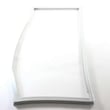
If you find a torn or warped seal, replacing the gasket is a solid next step; use the exact-fit refrigerator gasket assembly ADX72930461.
Why it matters
Bottom ice can block airflow, make the freezer work harder, and lead to temperature swings that affect ice production and food quality. Fixing air leaks and restoring proper draining prevents repeat icing.
For model-specific use and safety notes (including keeping hands and tools out of the ice compartment and chute), follow the LFXS29626S owner's manual.
Last updated: January 2026
How to remove bottom shelf LG fridge?
To remove the bottom shelf in your LG LFXS29626S refrigerator, lift the front edge of the shelf up, then lift the shelf to unhook it from the supports and pull it straight out. This same lift-and-pull method is used for many LG shelves and bins. See the LFXS29626S owner's manual for shelf locations and handling notes.
Steps to remove the shelf safely
- Remove heavy items first so nothing falls when the shelf tilts.
- Lift the front of the shelf upward (this clears the front lip from the supports).
- Lift the shelf up slightly to unhook the rear from the shelf rails.
- Pull the shelf straight out toward you.
- If it binds, check for a door bin or drawer edge blocking the shelf path and reposition that item.
If the shelf will not come out
Common causes on French door and bottom-mount refrigerators:
- The doors are not open wide enough to clear the shelf corners.
- A door basket is contacting the shelf edge.
- The shelf is catching on the rear support tabs because it was not lifted high enough.
- Food containers are wedged against the side walls.
Quick reference
| What you see | What to do |
|---|---|
| Shelf tilts up but will not slide out | Lift a bit higher to unhook the rear, then pull out |
| Shelf hits the door bin | Remove or shift the door bin, then retry |
| Shelf feels stuck on one side | Center the shelf, lift evenly, then pull straight out |
Why it matters
Removing shelves the right way prevents cracked glass, bent shelf rails, and torn door gaskets. It also makes routine cleaning easier and helps you reconfigure storage without damaging the liner.
Last updated: January 2026