Error Codes

How to hard reset kenmore washer?
To hard reset your Kenmore washer model 11092282800, we recommend disconnecting power for 2 minutes, then restoring power and running a quick cycle to confirm the control has cleared. This reset fixes many “won’t start”, stuck-cycle, and minor control glitches.
- Turn the washer OFF.
- Unplug the power cord (or switch the breaker OFF).
- Wait 2 full minutes.
- Restore power.
- Lift and close the lid once, then select a normal cycle and press Start.
These checks target the most common causes of “no start”, “won’t spin”, or “won’t drain” on this style of Kenmore washer.
- Confirm the outlet has power (test with a lamp) and the breaker is fully reset.
- Make sure the lid closes firmly; a failed lid switch can prevent agitation and spin.
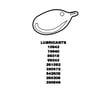
- If it will not drain, check for a clog or a failing pump; consider the water pump WP3363394.
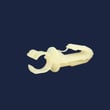
- If the motor runs but the washer will not agitate or spin, the drive coupling may be broken; consider the coupling 285753A.
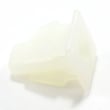
- If agitation is weak or the top of the agitator slips, inspect the agitator dogs; consider the agitator dog 80040.
| What you see | What to check next | Common related part |
|---|---|---|
| Dead, no response | Power supply, timer knob position | Timer (model-specific) |
| Fills but won’t agitate | Lid switch, coupling, agitator parts | Coupling 285753A |
| Won’t drain | Drain hose, pump, clogs | Water pump WP3363394 |
| Agitator slips/clicks | Worn agitator dogs | Agitator dog 80040 |
A hard reset clears temporary control logic issues, but it will not fix a mechanical failure (like a worn coupling or a failing drain pump). Matching the symptom to the right check prevents repeat shutdowns and incomplete cycles.
Last updated: January 2026
What is the life expectancy of a Kenmore washer?
Most Kenmore washers, including model 11092282800, typically last 10 to 15 years with normal household use, proper loading, and routine maintenance. Many units run longer when common wear parts are replaced as symptoms show up (drain, spin, or agitation issues).
A washer’s service life is driven more by usage and maintenance than by the badge on the lid.
- Loads per week: more cycles equals faster wear on the drive system and pump
- Overloading: strains the motor, clutch, and gear case
- Water quality: hard water can increase residue and valve wear
- Drain care: coins, lint, and small items shorten pump life
- Vibration: out-of-balance loads stress suspension and tub components
These symptoms often show up in the last third of a washer’s life and are commonly repairable.
| Symptom | Common area involved | Example part for this model |
|---|---|---|
| Won’t drain or drains slowly | Drain pump, hoses | Water pump WP3363394 |
| Agitates poorly or skips agitation | Agitator drive parts | Agitator dog 80040 |
| Loud spin, weak spin, burning smell | Clutch, drive coupling, gear case | Coupling 285753A |
- Keep loads evenly distributed; wash bulky items with similar items
- Use the right amount of detergent to reduce buildup
- Check pockets to prevent debris from reaching the pump
- Level the washer to reduce shaking and suspension wear
- Address small issues early (slow drain, slipping agitation, intermittent spin)
Knowing the typical life expectancy helps you decide whether to repair or replace. On a Kenmore top-load washer like 11092282800, replacing a common wear part (such as a pump, coupling, or agitator components) often restores normal washing performance without replacing the whole machine.
Last updated: January 2026
What is the cubic foot of my Kenmore washer model 11092282800?
The exact cubic-foot capacity for Kenmore washer model 11092282800 is not standardized across all Kenmore 110-series designs; most traditional (non-HE) top-load Kenmore washers of this style are typically about 3.2 to 3.5 cu. ft. Use your model’s product label and compare it to the parts configuration for confirmation.
- Measure the inner basket (approximate): measure tub diameter and depth, then convert to cubic feet.
- Compare your tub and drive style to common Kenmore direct-drive designs (many land in the 3.2 to 3.5 cu. ft. range).
- Check whether you have a tall agitator with an auger; that often indicates a traditional-capacity basket.
- Match parts to your exact build; for example, the presence of a standard agitator and drive components can help confirm the platform.
If you are matching your washer’s design to common Kenmore 110 top-load platforms, these parts are often tied to the basket and drive system:
| Washer type (common Kenmore categories) | Typical capacity range |
|---|---|
| Traditional top-load (older, non-HE) | 3.0 to 3.6 cu. ft. |
| HE top-load (newer designs) | 4.0 to 5.5 cu. ft. |
| Compact top-load | 1.5 to 2.5 cu. ft. |
Capacity affects how much laundry you can wash per load, detergent amount, and how easily the washer can balance and spin. Overloading a smaller-capacity basket can contribute to out-of-balance spinning and extra wear on suspension and drive parts.
Last updated: January 2026
How to unclog drain hose on Kenmore washer?
For Kenmore washer model 11092282800, we unclog the drain hose by safely draining any standing water, removing the hose, and clearing the blockage (lint, coins, socks) so the washer can pump out normally again.
- Unplug the washer.
- Turn off both water supply valves.
- Have towels and a shallow pan ready; hoses can release water fast.
- If the washer is full of water, bail out what you can before moving it.
- Access the drain path: Pull the washer forward so you can reach the back.
- Check the standpipe or laundry tub first: Make sure the household drain is not clogged; a slow standpipe can mimic a washer clog.
- Remove the drain hose: Loosen the clamp at the pump end and at the outlet end (standpipe/laundry tub) and pull the hose free.
- Clear the hose: Run hot water through it; then push a flexible drain snake or straightened hanger through to remove debris.
- Inspect the pump inlet: If the hose was clear, check the pump inlet for lint or small items. If the pump is noisy, leaking, or jammed, replacement is often the fix.
- Reinstall and test: Reattach the hose, tighten clamps, restore power, and run a short drain/spin to confirm strong flow.
If the hose is clear but the washer still will not drain, these parts are common suspects:
- Drain pump impeller jammed or broken
- Pump motor not running
- Kinked or collapsing hose routing
- Lid switch not allowing spin/drain
| Symptom | Most likely cause | What we do next |
|---|---|---|
| Hums but will not drain | Pump jam or seized | Check pump inlet; consider replacing water pump WP3363394 |
| Drains slowly | Partial hose or standpipe clog | Flush hose; clear household drain |
| Will not drain or spin | Lid switch issue | Test/inspect switch 285671 |
A restricted drain hose makes the washer hold water, leave clothes soaking wet, and can strain the drain pump over time.
Last updated: January 2026