 Installation guide
 Owner’s manual
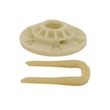


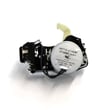
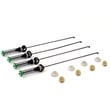
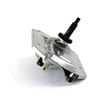
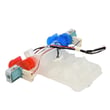
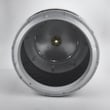
Is there a filter on my Whirlpool top loading washing machine?
Yes. On the Whirlpool WTW5000DW2 top-load washer, we typically see filtration handled at the drain system; this model uses a drain pump clean-out style filter you can access during a drain-pump service. For exact access steps and safety notes, use the WTW5000DW2 owner’s manual.
Where the “filter” usually is on this model
On WTW5000DW2, the most relevant filter-style component is the drain pump clean-out filter, which helps catch lint and small debris before it reaches the pump.
- Unplug the washer before any inspection.
- The clean-out is associated with the drain pump area (lower cabinet).
- You may need to tip the washer back carefully to reach the pump area.
- Expect water to spill when opening any clean-out; use towels and a shallow pan.
- If the washer will not drain, checking the clean-out is a common first step.
If you need the replacement part, use the exact model-compatible washer drain pump clean-out filter WPW10215093.
Quick signs the filter or pump area needs attention
- Washer drains slowly or not at all
- Gurgling or rattling during drain
- Standing water left in the tub
- Intermittent spin issues tied to poor draining
What to do (basic, safe checklist)
- Cancel the cycle and unplug the washer.
- Bail out as much water as possible from the tub.
- Access the drain pump area and open the clean-out slowly.
- Remove lint, coins, hair pins, or fabric strings.
- Reinstall the clean-out securely and run a rinse and spin to test.
Filter types you might hear about (and how they compare)
| Filter type | Common location | Typical on WTW5000DW2? |
|---|---|---|
| Lint screen in agitator | Inside agitator cap | Not the primary filter style for this model |
| Tub rim lint trap | Along top rim of inner basket | Not typical |
| Drain pump clean-out | At/near drain pump | Most applicable |
Why it matters
A clogged drain-path filter area can mimic bigger problems (no drain, no spin, error conditions). Cleaning the drain pump clean-out first can prevent unnecessary part replacement and helps protect the drain pump.
Last updated: January 2026
How many years does a Whirlpool washing machine last?
A Whirlpool washer like model WTW5000DW2 typically lasts about 10 to 14 years with normal household use and basic care. Real-world lifespan varies most with load size habits, installation (leveling), water quality, and how quickly small problems are fixed using the WTW5000DW2 owner’s manual.
What affects lifespan the most
- Overloading (stresses the drive system and suspension)
- Out-of-balance loads (extra vibration and wear)
- Hard water and detergent buildup (can cause odors and performance issues)
- Drain and fill restrictions (slow draining or filling strains components)
- Delayed repairs after new noises, leaks, or error codes
Maintenance that helps WTW5000DW2 last longer
- Keep loads evenly distributed; wash bulky items with a few smaller items.
- Use the right amount of HE detergent; too much can cause residue and poor rinsing.
- Periodically run a cleaning cycle per the WTW5000DW2 owner’s manual.
- Check hoses for bulges or seepage; replace if worn.
- If the washer starts shaking more than normal, inspect the suspension; the damper asm-v W11130362 is a common wear item on many top-load designs.
Quick “repair vs replace” guide
| What you notice | Often points to | Typical next step |
|---|---|---|
| Loud banging or walking during spin | Leveling or worn suspension | Re-level; inspect suspension parts |
| Won’t drain or drains slowly | Pump or hose restriction | Check drain path; inspect pump |
| Lid won’t lock or won’t start | Lid lock issue | Test/inspect lid lock assembly |
| Grinding during agitation/spin | Drive components | Inspect belt/pulley/gearcase |
Why it matters
A washer that is kept level, not overloaded, and cleaned regularly usually avoids the vibration and drive wear that shorten service life. Catching early symptoms can also prevent secondary damage to the tub, basket, or gearcase.
Last updated: January 2026
What is a common problem for a Whirlpool washer?
A common problem we see on Whirlpool washers like model WTW5000DW2 is a no-drain or no-spin condition, often caused by a clog in the drain path or a failing lid lock or shift system. Excessive vibration and loud noises are also frequent complaints.
Most common issues (and what they usually point to)
- Won’t drain / won’t spin: check for a blocked pump or drain hose; the pump itself can also fail.
- Lid won’t lock or cycle won’t start: the lid lock or strike may not be engaging.
- Shaking or banging in spin: load is off-balance, washer is not level, or suspension components are worn.
- Grinding, squealing, or rubbing noises: belt, pulley, or gear case wear.
- Musty odor: detergent buildup, standing water, or leaving the lid closed between loads.
Quick checks we recommend first (WTW5000DW2)
- Redistribute the load and run a Spin/Drain cycle.
- Verify the washer is level and the feet are firmly on the floor.
- Inspect the drain hose for kinks and confirm the standpipe is not backing up.
- If draining is slow, check the pump area and clean-out components.
Parts that commonly relate to these symptoms
If troubleshooting points to a failed component, these model-compatible parts are commonly involved:
| Symptom | Likely part to inspect | Example model-compatible part |
|---|---|---|
| Won’t drain / drains slowly | Drain pump or restriction | Washer drain pump W10876600 |
| Lid won’t lock / won’t start | Lid lock assembly | Washer lid lock W11307244 |
| Excessive vibration | Suspension system | Damper asm-v W11130362 |
Why it matters
Catching a drain, lid lock, or vibration issue early helps prevent secondary damage (for example, a slipping drive belt, water leaks, or repeated out-of-balance shutdowns) and can reduce wear on the drive system.
Helpful reference
For cycle behavior, leveling guidance, and operating tips specific to this washer, use the WTW5000DW2 manual.
Last updated: January 2026
What is the capacity of the wtw5000dw2?
We can’t confirm the exact tub capacity for Whirlpool model WTW5000DW2 from the model-specific information available here because capacity is typically listed in the use and care literature, not in parts data. For the official capacity spec for your exact model, check the WTW5000DW2 use and care manual.
How to verify the capacity for WTW5000DW2
Capacity can vary by revision within a model family, so we recommend verifying it from Whirlpool’s model-specific documentation.
- Look for a “Specifications” or “Product features” section
- Check the first few pages and the “Consumer information” pages
- If your manual lists multiple similar models, match the exact model number: WTW5000DW2
- If you have a tech sheet inside the cabinet, it may list basket volume or related specs
- Avoid relying on retailer listings; they can mix WTW5000DW and WTW5000DW2 details
Practical loading guidance (works regardless of the exact cu. ft.)
Even without the exact capacity number, correct loading is what protects wash performance and spin balance.
| Load type | What to do | What to avoid |
|---|---|---|
| Everyday mixed load | Load items loosely and evenly around the impeller | Packing items down tightly |
| Towels/jeans | Mix sizes and redistribute if the washer thumps | Washing heavy items all on one side |
| Bulky items | Wash 1 bulky item (or 2 smaller) and keep it centered | Overfilling above the basket rim |
Why it matters
The “cu. ft.” number is mainly a sizing reference; real-world results depend more on load distribution, cycle selection, and using HE detergent. Overloading can cause poor cleaning, out-of-balance spinning, and extra wear on suspension parts.
Last updated: January 2026





