Owner’s manual


What is the most common problem with Maytag dryers?
The most common Maytag dryer complaint (including the Maytag MED7230HW0) is poor drying performance: clothes take too long to dry or come out damp. In most cases, the root cause is restricted airflow from a clogged lint screen, blocked venting, or a failing heat or temperature-sensing component.
Quick checks we recommend first (MED7230HW0)
- Clean the lint screen before every load and confirm it is not coated with fabric softener residue.
- Check the outside vent hood for a strong, steady airflow while the dryer runs.
- Inspect the vent hose behind the dryer for crushing, kinks, or excessive length.
- Avoid overloading; packed loads block tumbling and airflow.
- Run a timed dry cycle to compare results versus sensor cycles.
If it still dries slowly: likely causes and parts to consider
Restricted airflow can overheat the dryer and trigger safety devices, or it can prevent proper temperature control. For the MED7230HW0, common repair paths often involve these components:
- Lint screen or housing issues (air leaks or blockage)
- Temperature sensing problems (thermistor)
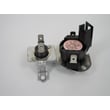
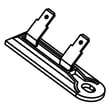
- Overheat protection opening (thermal fuse or thermal cut-off)
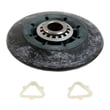
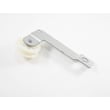
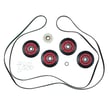
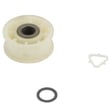
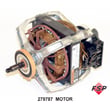
- Drum turning issues that reduce tumbling (rollers, idler pulley)
If you suspect a heat or safety cutoff issue, start with the troubleshooting and venting guidance in the MED7230HW0 dryer installation and care instructions manual.
Symptom-to-cause guide
| Symptom | Most common cause | What to check next |
|---|---|---|
| Takes too long to dry | Vent restriction | Vent hose, wall duct, outside hood |
| No heat (electric) | Power supply issue or open fuse | Breaker, terminal block, thermal fuse |
| Starts then stops | Overheat or airflow issue | Lint buildup, venting, thermostats |
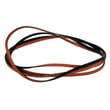
| Loud thumping/squeal | Worn drum support parts | Rollers, idler pulley, belt path |
Why it matters
Poor airflow is the number one reason dryers underperform and overheat. Fixing venting first protects key components (like the heater circuit and safety fuses) and usually restores normal drying times without unnecessary part replacement.
Last updated: January 2026
Is 6.7 cubic feet a big dryer?
Yes. A 6.7 cubic feet dryer is considered a standard-to-large capacity size, so it feels “big” for most households and handles everyday loads plus many bulky items. For Maytag model MED7230HW0, the drum capacity is not identified in the available model-specific document text; use the MED7230HW0 installation and care manual to confirm the exact specification for your unit.
How 6.7 cu. ft. compares to common dryer sizes
- 3.4 to 4.4 cu. ft.: compact, smaller loads
- 5.0 to 7.0 cu. ft.: standard to large, most households
- 7.1 cu. ft. and up: extra-large, frequent bulky loads
Quick comparison table
| Capacity range | Typical label | Best for |
|---|---|---|
| 3.4 to 4.4 cu. ft. | Compact | Apartments, 1 to 2 people |
| 5.0 to 7.0 cu. ft. | Standard to large | Most families, mixed loads |
| 7.1+ cu. ft. | Extra-large | Comforters, large households |
Why it matters
Capacity affects tumbling space and airflow. When the drum is packed too tightly, clothes can dry unevenly, wrinkle more, and take longer to finish.
Tips to get the best drying performance
- Load loosely; leave room for items to tumble
- Dry similar fabrics together (towels with towels)
- Clean the lint screen every load
- Keep the vent run short and free of lint buildup
- If drying is slow, follow venting guidance in the MED7230HW0 installation and care manual
Last updated: January 2026
What is the average life of a Maytag dryer?
A Maytag dryer like model MED7230HW0 typically lasts 10 to 15 years with normal household use. Regular vent cleaning, not overloading the drum, and fixing small issues early can help you reach the high end of that range; see the maintenance guidance in the MED7230HW0 installation and care manual.
What affects dryer lifespan most
- Airflow and venting: restricted venting overheats components and shortens life.
- Load size: frequent overloading strains the drive system and drum supports.
- Heat stress: repeated overheating can damage thermostats and fuses.
- Lint buildup: increases drying time and wear on the blower and motor.
- Usage frequency: multiple loads per day reduces years of service vs. a few loads per week.
Quick maintenance that helps MED7230HW0 last longer
- Clean the lint screen every load; replace a damaged screen such as screen W10120998 if it no longer fits or filters well.
- Check and clean the vent path regularly; crushed or kinked venting is a common cause of long dry times.
- Keep the dryer level so the drum and moisture sensing system work correctly.
- Stop using the dryer if you smell burning or notice extreme heat; address airflow first.
Typical lifespan expectations (what to plan for)
| Item | Typical range | What usually ends life early |
|---|---|---|
| Maytag dryer overall | 10 to 15 years | Poor venting, heavy use, overheating |
| Wear parts (rollers, idler) | 3 to 8 years | Overloads, squealing, thumping |
| Heating safety parts (fuse/thermostat) | 5 to 12 years | Blocked vent, high heat cycling |
Why it matters
Knowing the expected life helps you decide whether to maintain, repair, or replace. If your MED7230HW0 is within the 10 to 15 year window, many performance problems are often worth repairing, especially when they trace back to airflow or a common wear part.
Last updated: January 2026