Owner’s manual
 View engine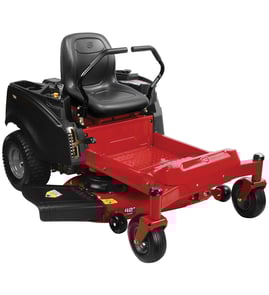




Where can I find my lawn mower engine model number?
On the Craftsman 917204170 rear-engine riding mower, the engine model number is usually on an engine ID label or stamped plate mounted directly on the engine. Common spots include near the spark plug, on the blower housing (engine shroud), or on/near the recoil starter housing.
Where to look on the engine
Check these areas first (with the engine off and cool):
- On the sheet metal near the muffler and spark plug
- On top of the engine shroud (blower housing)
- On the recoil starter housing (if equipped)
- Near the valve cover or dipstick tube area
- On the side of the engine block, just above the base
What the label usually includes
The engine tag typically lists more than one identifier. Here is what to capture:
- Engine model number
- Type (or specification) number
- Code (date code/serial-style code)
- Serial number (if shown)
| What to write down | Why we need it |
|---|---|
| Engine model | Identifies the correct engine family |
| Type/spec | Narrows down carburetor, ignition, and gasket variations |
| Code/date | Helps match running changes by production date |
Why it matters
Your mower model number (917204170) identifies the tractor and deck parts, but the engine model number is what we use to match engine-specific parts like filters, ignition components, and fuel system parts.
Helpful reference
For diagrams and model-specific information that can help you confirm labeling locations and component names, use the 917204170 manual.
Last updated: January 2026
What kind of engine does a Craftsman riding lawn mower have?
For Craftsman rear-engine riding mower model 917204170, the exact engine make and model cannot be identified from the model number alone. Many 917-series Craftsman mowers use a gas, single-cylinder engine (often from Briggs & Stratton), but you should confirm the engine family and horsepower using the ID labels and the 917204170 owner’s manual.
How to identify the engine on model 917204170
Use these quick checks to confirm what you have before ordering tune-up parts (spark plug, air filter, fuel filter) or engine components.
- Look for the engine ID label on the blower housing, valve cover, or near the starter
- Record the engine brand (commonly Briggs & Stratton on many Craftsman riders)
- Write down the engine model, type, and code (or spec number)
- Match the horsepower/cc from the label, not from the hood decal
- Cross-check the engine info against the mower’s parts diagrams in the manual
Where the engine information is usually found
| What you need | Where to look | Why it helps |
|---|---|---|
| Engine brand | Engine shroud or valve cover area | Confirms manufacturer (Briggs & Stratton, etc.) |
| Model/type/code | Engine ID sticker or stamped tag | Required to match carburetor and ignition parts |
| Date code | Part of the engine code | Helps confirm correct service parts |
Why it matters
Craftsman model numbers like 917204170 identify the mower platform, but the same platform can be built with different engines over time. Confirming the engine ID prevents ordering the wrong air filter, fuel filter, or ignition parts.
Helpful related part (when diagnosing a no-start)
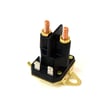
If the engine will not crank, one common safety-related cause is a failed interlock circuit. For this model, the husqvarna lawn tractor interlock switch 532421062 is a key component to check along with the battery, wiring, and seat/brake switches.
Last updated: January 2026
How much oil does a Craftsman 917 take?
For the Craftsman rear-engine riding mower model 917204170, the exact engine oil capacity depends on the specific engine installed on that mower. We confirm the correct fill amount by matching the engine model and then filling to the dipstick’s full mark, not by a generic “Craftsman 917” ounce value.
How to get the correct oil capacity for model 917204170
Use the 917204170 owner’s manual to identify the engine information and the oil-check procedure. Then use the dipstick to set the final level.
- Find the engine model/type code on the engine label (often on the blower housing or valve cover area)
- Park on a level surface and set the parking brake
- Check oil with the dipstick per the manual (thread-in vs. rest-on dipstick varies by engine)
- Add oil in small amounts, rechecking the dipstick each time
- Do not overfill; overfilling can cause smoking, leaks, or hard starting
Quick fill guidance (what we recommend)
We use this approach because “Craftsman 917” can refer to many different mower builds and engine families.
| Situation | What to do | Why |
|---|---|---|
| Oil is low but not empty | Add a few ounces at a time and recheck | Prevents overfill |
| Oil was fully drained | Add most of the expected amount, then top off to dipstick | Dipstick is the final authority |
| Unsure which oil to use | Follow the viscosity chart in the manual for your temperature range | Protects the engine in your climate |
Parts that commonly come up during an oil change
If you see seepage at the drain point or the plug is damaged, replacing the plug can stop a slow leak.
- Oil drain plug 585807101: seals the oil drain opening during normal operation
- Drain pan and funnel sized for small engines
- Shop towels and gloves
Why it matters
Using the correct oil level on the 917204170 helps prevent engine wear from low oil and prevents performance issues caused by overfilling. The dipstick method also avoids confusion from capacities that apply to different Craftsman 917-series products.
Last updated: January 2026
What are the parts of a lawn mower engine?
On the Craftsman 917204170 rear-engine riding mower, the engine is built from a fuel-and-air system, an ignition system, internal rotating parts, and exhaust components that work together to create power. For model-specific locations, adjustments, and safety steps, use the 917204170 owner’s manual.
Main engine systems (what you will typically find)
- Fuel delivery: fuel tank, fuel line, fuel filter, fuel shutoff valve (if equipped)
- Air intake: air filter, intake tube, carburetor or throttle body (varies by engine)
- Ignition: ignition switch, safety interlocks, ignition coil, spark plug
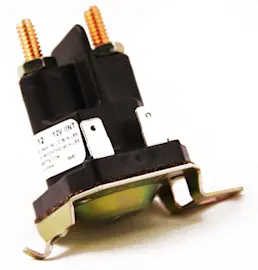
- Starting/charging: starter motor, starter solenoid, battery, charging stator/regulator
- Internal engine: crankcase, crankshaft, piston, connecting rod, camshaft, valves, flywheel
- Lubrication: oil fill/dipstick, oil drain, oil sump (some engines also use an oil filter)
- Exhaust: muffler, exhaust tube, heat shields
Parts on this model you may see referenced during engine service
These are examples of engine-related components listed for Craftsman 917204170 that commonly come up in troubleshooting and maintenance:
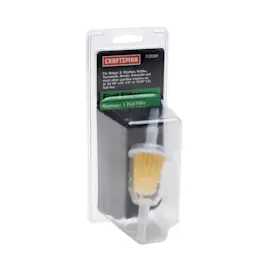
- Lawn & garden equipment engine fuel filter 530095646 (helps keep debris out of the carburetor)
- Fuel tank and fuel-line sealing pieces (grommets, clamps, check valves)
- Exhaust components (muffler, exhaust tubes, muffler shield)
Quick “system to symptom” guide
| If you notice | Common engine system to check first | Typical next step |
|---|---|---|
| Hard starting or won’t start | Fuel delivery, ignition, safety interlocks | Verify fresh fuel, clean air filter, confirm spark |
| Surging or hunting | Air intake/fuel mixture | Inspect air filter, check for fuel restriction |
| Loss of power under load | Air intake, fuel delivery, exhaust | Check filter, fuel flow, muffler blockage |
| Fuel smell or wet spots | Fuel tank/lines | Inspect hoses, clamps, grommets |
Why it matters
Knowing the engine’s major systems helps you troubleshoot faster and order the right Craftsman parts for your 917204170. Most “no start” and “runs rough” issues trace back to fuel flow, air restriction, or ignition and interlock problems.
Last updated: January 2026
How much does it cost to replace a riding mower engine?
For a Craftsman rear-engine riding mower model 917204170, a full engine replacement typically costs $1,000 to $3,000+ installed (engine plus labor). The exact total depends on the correct engine spec for your mower, whether you choose new vs. rebuilt, and any extra parts needed during the swap.
What drives the total cost
Engine replacement pricing varies because the job is part selection plus installation time. Common cost drivers include:
- Engine type and horsepower (single-cylinder vs. V-twin)
- Crankshaft size and orientation (must match the pulley and drive setup)
- Electrical and charging system compatibility (wiring, regulator, starter)
- Fuel system and exhaust fit (tank routing, muffler alignment)
- Extra “while you’re in there” parts (belts, pulleys, cables, hardware)
Typical cost breakdown (what you are paying for)
| Cost item | Typical range | Notes |
|---|---|---|
| Replacement engine | $700 to $2,500+ | New engines cost more; rebuilt can cost less |
| Labor | $300 to $900+ | Varies by shop rate and complexity |
| Misc. parts and supplies | $25 to $200 | Fuel line, clamps, oil, filters, hardware |
Model-specific guidance for 917204170
We cannot identify a single “one price” engine for 917204170 from the model identifier alone because engine fit depends on the exact engine specifications and mounting details used on your mower. Use the diagrams and specs in the 917204170 owner’s manual to confirm the correct engine configuration before ordering.
If your mower has fuel delivery issues or you are replacing related components during the job, it can be helpful to price common fuel-system parts at the same time, such as the lawn & garden equipment engine fuel filter 530095646.
Why it matters
An engine that is close but not exact (crankshaft length/diameter, wiring, or mounting pattern) can turn a straightforward replacement into a costly rework. Confirming specs up front helps you avoid return shipping, downtime, and mismatched pulleys or belts.
Last updated: January 2026
Is it worth replacing a lawn mower engine?
Yes, replacing the engine on your Craftsman riding mower model 917204170 can be worth it when the mower’s deck, frame, and drive system are in good condition and the total engine-swap cost stays well below the cost of replacing the entire mower.
How we decide for model 917204170
Because engine options and mounting details vary by build, we use the model-specific diagrams and specs in the 917204170 owner’s manual to confirm what fits before you spend money.
- Inspect the deck shell and lift points for cracks or severe rust
- Verify the drive system moves smoothly and does not slip under load
- Check wiring and safety interlocks for damage (no-start issues can look like engine failure)
- Confirm fuel delivery is clean and unrestricted
- Price the engine plus any “while you’re in there” items (belts, pulleys, cables)
Cost rule of thumb (practical)
| If your mower is… | And the problem is… | Usually the best move is… |
|---|---|---|
| Structurally solid | Engine is the only major failure | Replace the engine |
| Worn in multiple systems | Engine plus drive or deck rebuild needed | Compare totals; replacement often wins |
| Reliable but neglected | Engine runs poorly due to fuel/maintenance issues | Diagnose first; you may not need an engine |
Parts that can change the total repair cost
If your “bad engine” symptoms are actually fuel starvation or a safety shutdown, these model-compatible parts are commonly involved:
- Lawn & garden equipment engine fuel filter 530095646 (restricted flow can cause surging, stalling, or no-start)
- Lawn tractor safety switch 539101080 (failed interlock can prevent starting or kill spark)
- Lawn tractor fuel valve 539916325 (fuel shutoff problems can mimic carburetor or engine failure)
Why it matters
An engine swap is a big investment. Confirming the mower’s overall condition and ruling out simpler fuel or safety-switch problems helps you avoid paying for an engine when a smaller repair would restore normal operation.
Last updated: January 2026