Owner’s manual
 Error Codes




What is the capacity of the Maytag mvw7230hw0?
The Maytag MVW7230HW0 washer has a 5.2 cu. ft. capacity. This is the tub volume the washer is designed around, and it helps you estimate how much laundry you can wash per load while still allowing proper wash action and rinsing (see the MVW7230HW0 installation & care manual).
What “5.2 cu. ft.” means in real use
Capacity is a size rating, not a guarantee that every cycle should be packed full. For best cleaning and to reduce vibration, we recommend:
- Load items loosely; do not compress laundry down into the basket
- Keep bulky items (comforters, jackets) balanced around the basket
- Use the cycle designed for bulky or bedding loads when available
- Use HE detergent and avoid over-dosing (too much can cause residue and odors)
- Leave the lid open between loads to help the tub dry out
Quick capacity guide (rule-of-thumb)
These are general guidelines that apply to most large-capacity top-load washers like the MVW7230HW0.
| Load type | Typical fill level | Notes |
|---|---|---|
| Everyday mixed laundry | About 1/2 to 2/3 full | Best balance of cleaning and rinsing |
| Towels/jeans | About 1/2 full | Heavy loads need more room to move |
| Bulky/bedding | Varies by item | Keep it loose and evenly distributed |
Why it matters
Using the right load size helps the MVW7230HW0 clean better, spin out more water, and reduce issues like out-of-balance spinning, excess noise, and detergent buildup.
Last updated: January 2026
What is the most common problem with a Maytag washer?
For the Maytag MVW7230HW0, the most common service issue we see across similar Maytag top-load washers is a cycle that won’t finish because the washer won’t drain or won’t spin. The usual root causes are a lid lock problem, a drain restriction, or a drive system issue.
Quick checks first (no parts required)
- Make sure the load is balanced; a heavy, off-center load can stop or limit spin.
- Confirm the washer is level; an unlevel cabinet can trigger vibration and out-of-balance behavior.
- Verify both water faucets are fully open and inlet hoses are not kinked.
- Run a RINSE & SPIN cycle with the tub empty to see if the symptom repeats.
- If you notice odor or residue, run the Clean Washer cycle as described in the MVW7230HW0 installation & care manual.
Common causes and what they look like
| Symptom | What you may notice | Often involved |
|---|---|---|
| Won’t start or stops mid-cycle | Lid clicks but cycle won’t run | Lid lock or lid strike |
| Won’t drain | Water left in tub, humming sound | Drain hose or pump area restriction |
| Won’t spin or weak spin | Clothes soaking wet, no high-speed spin | Clutch/drive components |
| Slow fill or no fill | Long fill times, low water flow | Inlet valve or hose screens |
Parts that commonly solve these problems on MVW7230HW0
If your troubleshooting points to a failed component, these are common matches for this model:
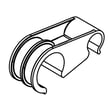
- Lid lock-sol W11700916 (washer won’t start, stops, or won’t spin because the lid won’t lock)
- Washer lid strike W11457841 (lid closes but doesn’t reliably engage the lock)
- Washer water inlet valve W11165546 (slow fill, no fill, or temperature-related fill issues)
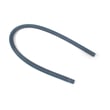
- Hose asm - d W11244231 (drain hose issues such as leaks, kinks, or poor draining)
Why it matters
Drain and spin problems are more than an inconvenience; they can leave clothes overly wet, increase cycle times, and put extra strain on the drive system. Catching a lid lock or draining issue early can prevent repeat shutdowns and reduce wear.
Last updated: January 2026
Is there a filter to clean in a Maytag top load washer?
Yes, but on the Maytag MVW7230HW0 top-load washer it’s usually not a simple, user-cleanable “lint filter” like a dryer. Most routine “filter” maintenance is cleaning the dispenser areas and running the Clean Washer cycle as outlined in the MVW7230HW0 installation & care manual.
What you can clean regularly (no disassembly)
These are the maintenance items we recommend checking first:
- Run the CLEAN WASHER cycle monthly (or about every 30 loads)
- Wipe the tub ring and underside of the lid to remove residue
- Clean detergent/softener/bleach dispenser areas (residue can restrict flow)
- Check pockets and remove coins, hairpins, and debris before washing
- Leave the lid open between loads to help prevent odor-causing buildup
Where “filters” may exist on top-load washers
Top-load washers can handle lint and debris in different ways, depending on the design. For MVW7230HW0, the manual focuses on washer care and dispenser cleaning rather than a removable lint filter.
| Item people call a “filter” | What it actually is | Typical maintenance |
|---|---|---|
| Lint filter | Not always present on modern HE top-loaders | Usually none, rely on wash/rinse action |
| Drain pump trap/filter | More common on some front-load designs | Clean-out varies by model |
| Inlet screen | Small screens in the water inlet valve ports | Clean if fill is slow or valves clog |
If you’re seeing slow filling or debris in the water
If the washer fills slowly, the inlet screens at the valve can be restricted by sediment. On MVW7230HW0, the compatible replacement valve is the washer water inlet valve W11165546. Before replacing parts, we recommend:
- Turn off both water faucets
- Inspect fill hoses for kinks
- Check hose washers/screens for sediment
- Flush the hoses into a bucket (briefly) to clear debris
Why it matters
Keeping the washer clean helps prevent odors, improves rinsing, and reduces residue buildup that can mimic “filter problems” (poor draining, dingy clothes, or dispenser flow issues).
Last updated: January 2026
What is the life expectancy of a Maytag washing machine?
Maytag does not publish a specific “life expectancy” for the Maytag MVW7230HW0 washer in the available model documentation, so we can’t give a model-verified number of years. In practice, lifespan varies most with installation, load habits, water quality, and routine care; following the MVW7230HW0 installation & care manual helps you maximize service life.
What we can say for MVW7230HW0 (based on the manual)
The MVW7230HW0 manual emphasizes maintenance and installation factors that directly affect long-term reliability:
- Use only HE (High Efficiency) detergent and do not over-dose.
- Run the Clean Washer cycle regularly (the manual recommends at least monthly or every 30 cycles).
- Leave the lid open between uses to help the tub dry and reduce odor-causing residue.
- Keep the washer properly leveled to reduce vibration and “washer walk.”
- Inspect water hoses and replace them on a schedule (the manual recommends about every 5 years).
Practical lifespan drivers (what usually shortens washer life)
Even when the washer is working normally, these conditions tend to increase wear:
- Frequent overloading or washing very heavy items back-to-back
- Chronic out-of-balance loads and excessive vibration
- Hard water scale buildup in valves and hoses
- Using non-HE detergent or too much detergent (residue buildup)
- Ignoring small leaks that can damage components over time
Quick care schedule (good baseline)
| Item | Suggested timing | Goal |
|---|---|---|
| Clean Washer cycle | Monthly or every 30 loads | Reduce residue and odor |
| Check leveling and vibration | Every 3 to 6 months | Reduce wear on suspension/drive |
| Inspect inlet hoses | Every 6 months | Catch bulges, cracks, leaks |
| Replace inlet hoses | About every 5 years | Reduce risk of hose failure |
Why it matters
“Life expectancy” is usually determined by how quickly wear items and buildup issues add up. Consistent cleaning, correct HE detergent use, and stable installation reduce stress on parts like the lid lock, suspension, and water inlet system.
Last updated: January 2026