Owner’s manual





What is the difference between .080 and .095 trimmer line?
On the Husqvarna 128LD trimmer, .080-inch line is lighter and easier on the engine for grass and edging, while .095-inch line is thicker and more durable for heavier weeds but can load the engine more. Always match the line diameter to what Husqvarna recommends in the 128LD owner's manual.
Quick comparison
| Feature | .080 trimmer line | .095 trimmer line |
|---|---|---|
| Best for | Light grass, edging, detail trimming | Thicker grass, weeds, tougher trimming |
| Durability | Breaks and wears faster | Lasts longer, resists breakage |
| Cutting feel | More precise, less aggressive | More aggressive, faster in heavy growth |
| Engine load | Lower | Higher |
| Ease of loading | Usually easier to wind | Can be stiffer and harder to wind evenly |
How to choose the right size for your job
- Use .080 when you want cleaner edging, lighter trimming, and less vibration.
- Use .095 when you routinely hit thicker weeds and want longer line life.
- Keep the line at the correct length; longer line increases the power required.
- Wind the line tightly and evenly on the trimmer head to reduce harmful vibration.
- Do not use wire, rope, or string; use proper trimmer line only.
Why it matters
A thicker line can cut tougher growth, but it also makes the engine work harder. The manual notes that line length and diameter affect the power required, and uneven winding can cause harmful vibration. Following the recommended cutting attachments helps protect the trimmer head, guard, and driveline.
Tips to get longer life from either line
- Soak trimmer line in water for a couple of days to help it last longer.
- Avoid constant contact between the trimmer head and the ground.
- For trimming near plants and fences, shorten the line and reduce engine speed.
Last updated: January 2026
What type of fuel does 128LD need?
The Husqvarna 128LD gas line trimmer uses gasoline mixed with 2-stroke oil at a 50:1 ratio (2% oil). Use unleaded gasoline (or quality leaded gasoline where applicable) and a 2-stroke oil intended for air-cooled small engines; see the 128LD owner's manual for fuel handling and safety details.
Fuel type and mix ratio (what to use)
- Gasoline: unleaded (or quality leaded gasoline where allowed)
- Oil: 2-stroke oil for air-cooled engines (trimmer/chain saw type)
- Mix ratio: 50:1 (2% oil)
- Mix fresh: old fuel mix is a common cause of hard starting and poor acceleration
Quick mix chart (50:1)
| Gasoline amount | 2-stroke oil to add |
|---|---|
| 1 gallon | 2.6 fl oz |
| 2 gallons | 5.1 fl oz |
| 5 gallons | 12.8 fl oz |
Safe fueling basics
We recommend following these steps every time you refuel:
- Stop the engine and let it cool a few minutes before refueling
- Mix fuel in an approved fuel container (not in the trimmer tank)
- Refuel outdoors with good ventilation
- Wipe up spills and let fumes dissipate before starting
- Move the trimmer at least 10 feet (3 meters) away from the fueling spot before starting
Why it matters
A correct 50:1 fuel mix protects the 2-stroke engine from overheating and internal scoring. Too little oil can damage the engine; too much oil can cause heavy smoke, carbon buildup, and fouled spark plugs.
Last updated: January 2026
What size line is a 128LD trimmer?
The Husqvarna 128LD uses the trimmer line diameter specified for the cutting attachment (trimmer head) installed on your unit. We follow the model’s recommended cutting equipment specs in the 128LD owner's manual so the line feeds correctly and the guard cutter trims it to the proper length.
How to confirm the correct line diameter on your 128LD
Use the manual’s “Technical data” and cutting equipment sections to match the line to the exact head and guard on your trimmer.
- Identify the trimmer head style on your unit (bump-feed head vs other attachment)
- Match the line diameter to the head’s specification (not just “what fits”)
- Wind the line tightly and evenly on the spool to reduce vibration
- Replace cracked or damaged heads; damaged heads can throw line unevenly
- Stop the engine and disconnect the spark plug lead before servicing the head
Typical line sizes you will see (and what they are for)
These are common diameters used on gas line trimmers; always use the diameter approved for the 128LD cutting attachment.
| Line diameter | Best use | What changes as diameter increases |
|---|---|---|
| 0.080 in | Light grass, edging | Less engine load, faster wear in heavy weeds |
| 0.095 in | General trimming, moderate weeds | More cutting power, more load on the engine |
| 0.105 in | Heavy weeds (only if approved) | Highest load; can reduce RPM and increase vibration |
Why it matters
Line diameter directly affects cutting performance, vibration, and engine load. The manual notes that longer or thicker line requires more engine power, and improper winding can create harmful vibration.
Related parts that affect line fit and feeding
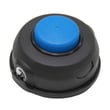
If line keeps breaking, won’t feed, or vibrates excessively, inspect the head components and guard system. If your head is damaged, replacing the complete assembly is often the fastest fix.
Last updated: January 2026
What attachments work with the 128LD?
The Husqvarna 128LD is designed to run only the cutting attachments and guards Husqvarna recommends for that engine unit. For the safest fit and correct operation, match the attachment type to the approved guard and follow the setup details in the 128LD operator’s manual.
Attachments that commonly fit this type of trimmer
These are the most common attachment types people use with a Husqvarna split-shaft trimmer like the 128LD:
- String trimmer head (trimmer line) for grass and light weeds
- Edger attachment for sidewalk and driveway edges
- Brush cutter style attachment for heavier weeds (use the correct guard and blade hardware)
- Pole saw attachment for pruning limbs
- Cultivator attachment for light soil work
- Pruner attachment for trimming small branches
Quick compatibility checklist (before you buy)
Use this checklist to avoid ordering an attachment that will not mount correctly or will be unsafe.
- Confirm the attachment is listed as compatible with Husqvarna 128LD (not just “fits many models”)
- Verify the shaft connection type (split-shaft/coupler style) matches your trimmer
- Use the guard specified for that attachment type (do not mix guards)
- Use only non-metallic flexible cutting attachments when running a trimmer head with line
- Follow the recommended fuel mix (2% two-stroke oil, 1:50) and safety steps before servicing
What the manual is telling you (and why it matters)
The manual emphasizes that the engine unit is intended to operate only recommended cutting attachments and the guards Husqvarna specifies in the technical data section. Using an unapproved attachment can increase vibration, reduce cutting performance, and raise the risk of thrown objects.
| Attachment type | Typical use | Key note |
|---|---|---|
| Trimmer head (line) | Grass trimming | Use flexible, non-metallic line only |
| Edger | Clean edges | Use the correct edger guard |
| Brush cutter | Heavy weeds | Requires correct guard and blade hardware |
| Pole saw / pruner | Limb trimming | Keep bystanders at least 50 ft away |
Why it matters
Correct attachment and guard pairing protects you and the trimmer. It also helps the 128LD cut cleaner, vibrate less, and reduces premature wear on the drive shaft and gearbox.
Last updated: January 2026