Installation guide
 Owner’s manual


How to troubleshoot common Whirlpool dishwasher problems?
For Whirlpool model WDF750SAYB3, we troubleshoot most common dishwasher problems by confirming power, door latch, cycle selection, and water supply first; then we check draining and washing performance (filter, drain hose, pump). Use the WDF750SAYB3 owner's manual troubleshooting steps to narrow the failure fast.
Quick checks (fixes many “won’t run” complaints)
- Reset the house breaker or replace the fuse if it tripped.
- Confirm the door is fully closed and latched (a loose latch stops the cycle).
- Make sure a cycle is actually selected and started.
- Verify the water shutoff valve is turned on.
- Expect pauses during the main wash; brief stops can be normal.
What to look for
| Symptom | Most likely cause | Best first check |
|---|---|---|
| No lights or no response | Power issue | Breaker, junction box connection |
| Starts then stops | Door not latched, normal pauses, overload reset | Latch engagement, wait a few minutes |
| Won’t fill | Water supply off, inlet issue | Shutoff valve, fill sound |
| Won’t drain | Clog, hose routing, drain pump issue | Filter area, hose, disposal connection |
If it won’t drain
A clog or restriction is the most common cause. Work from the easiest checks to the most involved.
- Check the sump area for debris that can block flow.
- Inspect the drain hose for kinks, crushing, or a blocked high loop.
- Check the dishwasher to garbage disposal (or sink drain) connection for a plug or blockage.
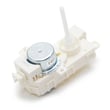
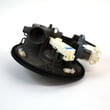
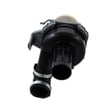
- If the dishwasher hums but won’t evacuate water, the dishwasher drain pump WPW10348269 is a common suspect.
If it’s not cleaning well
- Confirm spray arms spin freely and the holes are not plugged.
- Avoid overloading; blocked spray paths reduce wash pressure.
- Use fresh detergent and the correct cycle for soil level.
- Clean the filter area regularly; a restricted filter reduces circulation.
Why it matters
Starting with power, latch, and water supply prevents unnecessary part replacement. Drain and wash issues often come down to restrictions (hoses, filter area) that you can correct quickly before moving to components like pumps or valves.
Last updated: February 2026
What does F3 mean on a Whirlpool dishwasher?
On a Whirlpool dishwasher like model WDF750SAYB3, an F3 error typically points to a water-heating problem (the unit is not heating properly or is sensing abnormal temperature rise). The most common causes are the heating circuit, temperature sensing, or control-related issues.
What to check first (fast, no parts swapping)
- Reset the dishwasher and retry a cycle; see how to reset a Whirlpool dishwasher.
- Confirm the door is fully closed and latched; a poor latch can interrupt operation (see WDF750SAYB3 owner's manual).
- Verify house power: check the breaker or fuse if the dishwasher stops or won’t run.
- Run hot water at the sink for 30 to 60 seconds before starting; low incoming temp can trigger heating complaints.
- Use a heated dry option (if selected) and confirm the cycle is long enough for heating.
Likely causes and the parts that relate
F3 is usually tied to the heating system and how the dishwasher measures temperature.
| Symptom you notice | Most likely area | What it affects |
|---|---|---|
| Dishes not drying, water feels lukewarm | Heater circuit | Water heating and drying performance |
| Cycle seems to stall or ends early with F3 | Temperature sensing or control | Heat monitoring and safety logic |
| Poor cleaning plus F3 | Wash system plus heating | Detergent activation and soil removal |
If you’re seeing poor drying or repeated F3, the heater is a common fix on this platform: element assembly W10703867.
Why it matters
Dishwashers rely on correct water temperature to dissolve detergent, remove grease, and dry effectively. When the control detects the water is not heating as expected, it may stop the cycle and display F3 to prevent poor results or overheating risk.
When an error code lookup helps
If your display alternates letters and numbers (for example, F3 with another code), use Whirlpool dishwasher error codes to match the exact pattern to the most likely failure.
Last updated: February 2026
What is the average lifespan of WDF750SAYB3?
The average lifespan of a Whirlpool dishwasher like model WDF750SAYB3 is 10 years with normal use and basic maintenance. Keeping filters clean, using rinse aid, and fixing small leaks early helps you reach that service life.
What affects lifespan most
- Water quality (hard water speeds up mineral buildup)
- Filter and sump cleanliness (clogs strain the wash system)
- Door sealing and leaks (water damage shortens component life)
- Loading habits (overloading can break racks, wheels, and spray arms)
- Detergent and rinse aid use (improves cleaning and reduces residue)
Maintenance that extends life
We recommend these routine steps for WDF750SAYB3:
- Clean the filter area regularly; inspect the filter cup and filter for debris.
- Use rinse aid as directed in the owner's manual; Whirlpool notes it is necessary for good drying and helps control hard-water deposits.
- Check spray performance; clear blocked holes and confirm the spray arm spins freely.
- Watch for slow draining; clear the drain path before the drain pump is overworked.
- Keep the door sealing surfaces clean to prevent seepage.
Common wear items and what they impact
| Wear item | What you may notice | Why it matters |
|---|---|---|
| Rack wheels | Rack sticks or falls off track | Prevents rack damage and tub scratches |
| Filters | Grit on dishes, odors | Protects pump and improves wash results |
| Door seals | Moisture at the bottom of the door | Prevents leaks and cabinet damage |
| Drain components | Standing water | Reduces strain on the drain pump |
Why it matters
A dishwasher typically fails early from avoidable strain (clogged filtration, poor draining, or chronic leaks). Simple upkeep and timely replacement of wear parts usually cost far less than replacing major components like the pump and motor.
Last updated: March 2026