



Where do you find the model number on a Craftsman shop vac?
On a Craftsman shop vac like model 113179110, the model number is printed on the rating label attached to the power head (the top motor housing). We most often see it on the back of the motor cover, near the carry handle or latches, or close to the cord wrap.
- Check the rear of the power head (most common spot)
- Look near the on/off switch area on the motor housing
- Inspect around the latches that secure the power head to the tank
- Check near or under the cord wrap
- Look for a label that lists model and serial together
Most Craftsman wet/dry vacs use a silver, gray, or white sticker or plate that includes electrical specs.
| What you might see | What it means | What to write down |
|---|---|---|
| Model / MOD | Model identifier | Full model number (example: 113179110) |
| Serial / S/N | Unit-specific serial | Serial number |
| Volts / Amps | Electrical rating | Optional, helpful for service |
Use these practical identifiers to match parts and accessories:
- Tank size (this model is an 8-gallon wet/dry vacuum)
- Hose diameter (many Craftsman units use 1-1/4 inch accessories)
- Accessory fit: if your hose is worn or split, match by diameter and end style, such as the wet/dry vacuum hose, 1-1/4-in x 6-ft 551013109
The model number is the quickest way to ensure the right Craftsman vacuum cleaner parts fit, especially for hoses, adapters, and tools that can look similar but connect differently.
Last updated: February 2026
What type of vacuum cleaner is designed for both wet and dry cleaning?
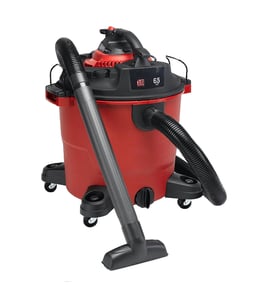
A wet/dry vacuum (often called a shop vac) is designed to pick up both dry debris and liquids. For a Craftsman 113179110 8-gallon wet/dry vacuum, that means you can switch between everyday cleanup and wet pickup using the correct filter setup and attachments.
Wet/dry vacuums are built to handle moisture safely while still delivering strong suction for sawdust, dirt, and general debris.
- A collection tank (not a dust bag) holds dry debris or liquid
- A filter system that can be configured for dry pickup versus wet pickup
- Sealed motor housing and airflow design to manage wet suction
- Wide range of nozzles and tools for floors, cars, and tight spaces
Use this quick guide to avoid clogs, messy blowback, or filter damage.
| Cleanup type | Typical setup | What to watch for |
|---|---|---|
| Dry pickup (dust, dirt, sawdust) | Dry filter installed; empty tank as needed | Fine dust can clog filters quickly; clean or replace as needed |
| Wet pickup (water, spills) | Wet pickup configuration (no paper/fine-dust filter) | Stop before the tank overfills; empty and dry the tank after use |
The right tool improves pickup and helps protect surfaces.
- For general reach and flexibility, use a compatible hose such as the wet/dry vacuum hose, 1-1/4-in x 6-ft 551013109
- For tight gaps (between seats, baseboards), use the wet/dry vacuum crevice tool 551012109
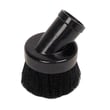
- For dashboards, vents, and delicate surfaces, use the wet/dry vacuum dusting brush, 1-1/4-in 551004116
Using a wet/dry vacuum for the right type of mess helps prevent filter damage, keeps suction strong, and reduces the chance of pushing debris back into the air. It also lets you get more value from one machine instead of needing separate tools for wet spills and dry cleanup.
Last updated: February 2026
What is the list of vacuum cleaner parts?
For the Craftsman 113179110 8-gallon wet/dry vacuum, the parts list typically includes the suction airflow parts (hose and adapters), cleaning attachments, and mobility items (casters). Wear items like hoses and wheels are the most common replacements when performance or handling drops.
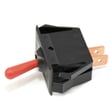
- Motor and power switch (drives suction)
- Collection tank and lid (holds debris and seals airflow)
- Filter and filter cage (protects the motor from dust)
- Hose and hose ends (moves air and debris)
- Wands and nozzles (direct cleaning at the surface)
- Casters and hardware (mobility and stability)
These are examples of model-matched items available for Craftsman 113179110:
| Part type | What it does | Example for this model |
|---|---|---|
| Hose | Main airflow path from tool to tank | Wet/dry vacuum hose, 1-1/4-in x 6-ft 551013109 |
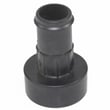
| Adapter | Lets you fit different tool sizes | Wet/dry vacuum hose adapter, 1-1/4 to 2-1/2-in 551025121 |
| Crevice tool | Tight spaces and edges | Wet/dry vacuum crevice tool 551012109 |
| Brush tool | Dusting and delicate surfaces | Wet/dry vacuum dusting brush, 1-1/4-in 551004116 |
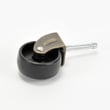
| Caster | Rolling and maneuvering | Wet/dry vacuum caster wheel 551009108 |
- Match your model number exactly: 113179110
- Replace the part that affects the symptom (low suction, poor pickup, hard to roll)
- Confirm tool diameter (common wet/dry vac sizes are 1-1/4 inch and 2-1/2 inch)
- Check for cracks, loose fits, or flattened hose sections that leak air
- Replace worn wheels/casters if the vacuum wobbles or drags
A wet/dry vacuum is an airflow system; small leaks at the hose, adapter, or lid seal can reduce suction fast. Keeping the correct hose size and tight-fitting attachments helps the motor move air efficiently and improves pickup.
Last updated: February 2026
How do I remove the filter from my Craftsman wet dry vacuum?
To remove the filter on your Craftsman 113179110 8-gallon wet/dry vacuum, unplug the vac, open the powerhead (motor top), then release the filter retainer (usually a knob, nut, or latch) and lift the filter straight off the filter cage.
- Unplug the wet/dry vacuum and let the motor stop completely.
- Release the latches and lift off the powerhead (the motor top).
- Locate the filter mounted over the filter cage.
- Loosen the filter retainer (common styles are a plastic knob, wing nut, or a small screw-on cap).
- Slide the filter off the cage; pull straight to avoid tearing the filter media.
- Reinstall by seating the filter evenly on the cage, then snug the retainer (do not overtighten).
A wet/dry vacuum loses suction fast when the filter is clogged, torn, or not seated. Before reinstalling, check these quick items:
- Filter media: heavy dust loading, holes, or collapsed pleats
- Filter seal: cracked, flattened, or not contacting the cage evenly
- Filter cage: broken ribs or debris preventing a tight fit
- Powerhead gasket area: dirt buildup that can cause air leaks
- Hose and tools: clogs in the hose or nozzle can mimic a “bad filter”
| Symptom | Most common cause | What we recommend |
|---|---|---|
| Low suction | Filter clogged | Clean or replace the filter; confirm it seats evenly |
| Dust blowing out | Filter torn or missing | Replace the filter; check cage and seal |
| Motor sounds strained | Airflow restricted | Clear hose/nozzle clogs; clean filter |
| Filter won’t stay on | Retainer/cage issue | Inspect cage and retainer fit; reinstall carefully |
On the Craftsman 113179110, the filter protects the motor from fine dust and helps maintain airflow. Removing it correctly prevents rips and helps you spot air leaks or clogs that reduce pickup.
If you are also fighting poor pickup, inspect your hose and connections; a split or loose hose can cause a big suction drop. If you need a replacement, match your setup to the correct diameter and length, such as the wet/dry vacuum hose, 1-1/4-in x 6-ft 551013109.
Last updated: February 2026
Why is my Craftsman vacuum not suctioning?
Low or no suction on your Craftsman 113179110 8-gallon wet/dry vacuum is almost always caused by a clog, an air leak, or a restricted filter. We recommend checking the hose and attachments first, then the tank seal and filter area, because those issues are the fastest to confirm and fix.
- Empty the tank; an overfilled tank can block airflow.
- Inspect the hose for a clog, split, or loose fit at both ends.
- Remove the nozzle or tool and check for debris packed in the inlet.
- Confirm the lid is seated evenly and the latches are fully engaged.
- Check that the filter area is not packed with fine dust (common after drywall or ash cleanup).
- Check the hose and tools: Detach the hose and look through it toward a light. If it is crushed, torn, or won’t stay connected, replace it with the correct size hose such as the wet/dry vacuum hose, 1-1/4-in x 6-ft 551013109.
- Check for a blockage at the inlet: Clogs often form where the hose meets the tank inlet or inside narrow tools like the wet/dry vacuum crevice tool 551012109.
- Check for air leaks: A lid that is slightly cocked, a missing gasket, or a cracked tank port lets air in and kills suction.
- Confirm the motor is running at full speed: If the motor sounds weak, unplug the vac and check the cord, switch, and connections before continued use.
| Symptom | Most likely cause | What to do |
|---|---|---|
| Motor sounds normal, suction is weak | Clog in hose/tool | Clear blockage; verify airflow |
| Suction comes and goes | Loose hose connection or small split | Reseat hose; replace damaged hose |
| Picks up large debris but not fine dust | Filter restriction | Clean/replace filter as applicable |
| Whistling sound at lid | Air leak at lid or tank | Reseat lid; inspect sealing surfaces |
Running a wet/dry vacuum with restricted airflow can overheat the motor and shorten its lifespan. Restoring normal airflow protects the motor and improves pickup on both wet spills and dry debris.
Last updated: February 2026