Installation guide
 Owner’s manual
 Error Codes
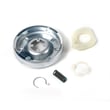


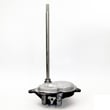
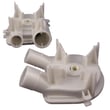
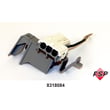
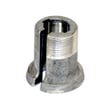
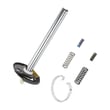
What are the parts of a washer called?
On the Estate ETW4100SQ3 washer, the main parts are typically grouped into water-fill parts, wash and spin drive parts, draining parts, and safety controls. Common names include the tub (basket), agitator, drive motor, drain pump, lid switch, and water inlet valve (see the ETW4100SQ3 owner's manual).
Common washer parts and what they do
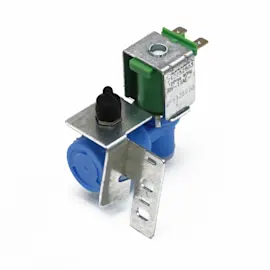
- Water inlet valve: lets hot and cold water into the washer
- Tub and basket (drum): holds water and clothes; basket spins to extract water
- Agitator: moves clothes through water and detergent for cleaning
- Drive system: transfers motor power to agitation and spin
- Drain system: pumps water out through the drain hose
- Lid switch: prevents spinning when the lid is open
Examples of ETW4100SQ3 parts you may see on a parts diagram
These are common service parts for this model:
- Washer drain pump WP3363394
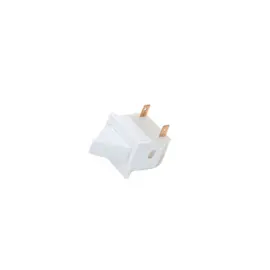
- Washer lid switch assembly WP8318084
- Coupling 285753A
- Washer drive motor WP661600
Quick reference table: part name vs. symptom
| Part name | What you might notice when it fails | Common check |
|---|---|---|
| Drain pump | Won’t drain, water left in tub | Look for clogs, listen for pump hum |
| Lid switch | Won’t spin or stops mid-cycle | Confirm lid closes and switch clicks |
| Motor coupling | Motor runs but won’t agitate/spin | Check for broken plastic/rubber pieces |
| Water inlet valve | Won’t fill or fills slowly | Check screens for debris, verify faucets on |
Why it matters
Using the correct part name helps you match the right diagram and order the right replacement. It also speeds up troubleshooting, for example separating a “won’t drain” issue (pump or hose) from a “won’t spin” issue (lid switch, coupling, clutch, or gear case).
Last updated: February 2026
What is the most expensive part to replace on a washing machine?
On an Estate ETW4100SQ3 washer, the most expensive repairs are typically major drive-system or structure parts, such as the gear case (transmission) or the wash basket and tub components. These jobs often cost the most because the parts are pricey and labor is extensive.
Most expensive parts (typical)
In top-load washers like the ETW4100SQ3, these are the repairs that most often reach the highest total cost:
- Gear case / transmission: a common high-dollar part and a labor-heavy teardown
- Drive motor: expensive component; may also require related drive parts
- Basket drive / drive tube: major mechanical assembly tied to spin performance
- Main control board (on electronic models): high part cost, plus diagnostic time
- Outer tub / basket (or tub-related leaks): can require deep disassembly and multiple seals
For model-specific safety and service guidance before attempting any repair, follow the ETW4100SQ3 owner’s manual.
ETW4100SQ3 examples from common replacement parts
These examples show why “big mechanical assemblies” tend to be the most expensive on this model.
| Part type (ETW4100SQ3) | Example part | Why it gets expensive |
|---|---|---|
| Gear case / transmission | Gear 3360629 | High part price; requires major disassembly |
| Drive motor | Washer drive motor WP661600 | High part price; diagnosis and installation time |
| Basket drive | Basketdriv W10820043 | Deep mechanical repair; often tied to spin issues |
How we recommend deciding: repair vs. replace
Use this quick checklist to decide whether a big repair is worth it:
- If the washer won’t spin or agitates poorly, suspect drive components (coupling, clutch, gear case)
- If it won’t drain, check for a simpler fix first (clogs, hose issues, pump)
- If you see leaks, plan for seals and gaskets along with the main repair
- If multiple symptoms appear at once, expect stacked parts and labor
- If the estimate approaches a large share of a new washer’s cost, replacement is often the better value
Why it matters
The “most expensive part” is rarely just the part itself. On washers, the highest total cost usually comes from repairs that require removing the cabinet, agitator, basket, and drive components, which adds significant labor time and increases the chance that additional wear parts (seals, couplers, springs) are needed.
Last updated: February 2026
Where is the model number on an estate washer?
On the Estate washer model ETW4100SQ3, the model and serial number label is located under the washer lid. Lift the lid and look along the top rim of the cabinet opening for the sticker; it lists both the model number and serial number.
Quick places to check (in order)
- Under the washer lid on the cabinet rim (most common for ETW4100SQ3)
- Along the underside of the lid itself
- On the back of the control console
- On a side panel near the bottom edge of the main cabinet
How to find it fast
- Unplug the washer for safety.
- Lift the lid fully.
- Use a flashlight and scan the cabinet opening rim, especially near the hinge area.
- Wipe dust or detergent residue off the label so the full model number is readable.
Top-load vs. front-load label locations
| Washer type | Most common label location | What you will see |
|---|---|---|
| Top-load (like ETW4100SQ3) | Under the lid on the cabinet rim | Model number and serial number |
| Front-load | Door opening or door jamb area | Model number and serial number |
Why it matters
We use the complete model number to match the correct diagrams and parts for your washer. Even small model-number differences can change which lid switch, drain pump, or drive components fit.
For model-specific identification details and wording used on the label, check the ETW4100SQ3 owner's manual.
Last updated: February 2026