Owner’s manual
 Error Codes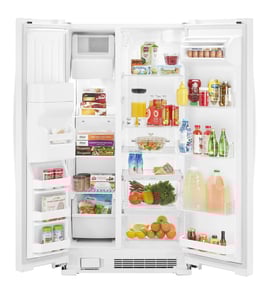


What is the most common problem with a GE refrigerator?
The most common issue we see with a GE refrigerator like model GSS25GMHHCES is not cooling properly, often caused by airflow problems, a defrost system issue, or a failed cooling component. Start with temperature settings and airflow checks, then move to fan and defrost diagnostics using the GSS25GMHHCES owner's manual.
Quick checks first (fastest wins)
- Confirm both temperature controls are set correctly (not OFF).
- Make sure the refrigerator is fully plugged in and the breaker is not tripped.
- Allow about 30 minutes if the unit is in a defrost cycle (cooling pauses during defrost).
- Check that vents inside the fresh food and freezer sections are not blocked by food.
- Listen for the evaporator fan; if it is silent when the door switch is held closed, airflow may be failing.
Common GE refrigerator problems and what they usually point to
| Symptom | What it commonly means | Parts often involved on GSS25GMHHCES |
|---|---|---|
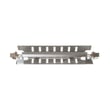
| Not cooling or warm temps | Poor airflow or defrost failure | Refrigerator evaporator fan motor WR60X10307, defrost heater, defrost thermostat, temperature sensor |
| Strange noises | Many are normal during defrost or pressure equalization | Not always a part failure (see manual sound list) |
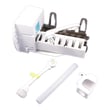
| Ice maker not working | Water supply or ice maker issue | GE refrigerator ice maker kit WR30X10093, water valve, filter |
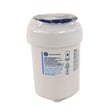
| Water dispenser slow/weak | Restricted filter or air in line | GE refrigerator water filter MWFP, filter head |
| Leaking water | Clogged/iced drain or water line issue | Drain system, water reservoir, water valve |
Why “not cooling” happens so often
Cooling complaints are usually caused by one of these conditions:
- Frost buildup on the evaporator from a defrost system problem.
- A failed evaporator fan that cannot move cold air through the compartments.
- A temperature sensing issue that causes incorrect run times.
- Dirty condenser area reducing heat removal (common in homes with pets).
Helpful model-specific resources
- Use the troubleshooting charts and “normal operating sounds” section in the GSS25GMHHCES owner's manual.
- If you are chasing a dispenser or ice issue, follow the steps in how to disassemble the ice and water dispenser on a GE refrigerator.
Why it matters: Catching airflow and defrost problems early helps prevent food spoilage and reduces the chance of ice buildup that can strain the evaporator fan and cooling system.
Last updated: January 2026
How long do GE side-by-side refrigerators last?
Most GE side-by-side refrigerators typically last about 12 to 15 years with normal home use and routine maintenance. For your GE GSS25GMHHCES, keeping airflow clear, temperatures stable, and the water system maintained helps you reach (and often exceed) that typical lifespan; see the GSS25GMHHCES owner's manual for model-specific care and operating guidance.
Typical lifespan and what affects it
A refrigerator’s life is mainly driven by compressor run time, airflow, door sealing, and defrost performance.
- Maintenance quality: cleaning, filter changes, and keeping vents clear
- Usage patterns: frequent door openings and warm food loads increase run time
- Environment: hot garages and tight cabinets shorten life by raising operating temps
- Water and ice use: heavy dispenser use adds wear to valves, icemaker, and dispenser parts
- Power quality: outages and surges can stress controls and the compressor
Maintenance checklist to help it last longer
These steps reduce strain on the sealed system (compressor, condenser, evaporator) and help prevent common cooling and ice maker problems.
- Keep the door gaskets clean so doors seal tightly
- Allow 24 hours for temperatures to stabilize after major changes (loading, unplugging, defrosting)
- Replace the water filter on schedule; a clogged filter can reduce flow and stress the water system
- Keep food from blocking interior air vents so cold air circulates properly
- If the unit beeps for an open door, close the door fully and confirm it is latching
| What you do | How often | What it helps prevent |
|---|---|---|
| Replace water filter | About every 6 months (typical) | Slow dispenser flow, small/slow ice cubes |
| Clean door gaskets | Monthly | Frost, warm temps, excess run time |
| Check temps and airflow | Seasonally | Warm fridge/freezer, uneven cooling |
| Clean dust from rear/bottom area | 1 to 2 times per year | Overheating, long compressor run times |
Parts that commonly impact performance over time
If cooling, ice, or water performance declines, these are common wear items we see on side-by-side refrigerators.
- Water filtration: GE refrigerator water filter MWFP
- Cooling airflow: evaporator fan motor
- Defrost system: defrost heater, defrost thermostat
- Water delivery: water valve
Why it matters
A side-by-side that runs longer than necessary uses more energy and puts extra wear on the compressor and fans. Simple upkeep (especially sealing, airflow, and filtration) helps your GE GSS25GMHHCES cool consistently and reach a full, normal service life.
Last updated: January 2026
Are GE side-by-side refrigerators good?
GE side-by-side refrigerators like model GSS25GMHHCES are a solid choice for everyday use because they typically deliver consistent cooling, easy access to both fresh food and freezer sections, and convenient features like an in-door ice and water dispenser. For model-specific features and care guidance, use the GSS25GMHHCES owner's manual.
What “good” usually means for a side-by-side
A side-by-side design is a good fit when you want freezer access at eye level and organized door storage.
Common strengths we see with GE side-by-sides:
- Consistent temperatures when vents are kept clear and doors seal well
- Adjustable shelving and bins for flexible storage
- In-door water and ice convenience (less need to open the freezer)
- Straightforward maintenance routines (filter changes, cleaning)
What to watch for (and how to prevent issues)
Most complaints we see across side-by-sides are maintenance-related, not design flaws.
To keep performance strong:
- Replace the water filter on schedule; a restricted filter can reduce dispenser flow and affect ice production
- Keep the freezer and fresh food air vents unblocked to prevent warm spots
- Clean spills and odors early to avoid lingering smells
- Level the refrigerator so doors close fully and the door alarm does not trigger
- If the ice maker seems slow, confirm the freezer temperature is set correctly and the bin is seated
Helpful how-to guidance:
Quick comparison: side-by-side vs other common layouts
| Layout | Best for | Trade-offs |
|---|---|---|
| Side-by-side | Frequent freezer access, narrow door swing, organized door storage | Narrower shelf width for large platters |
| Top freezer | Simple design, strong value | Freezer is less accessible |
| French door | Wide fresh-food shelves, modern layout | Often higher cost, more door seals to maintain |
Parts that support “good” day-to-day performance
If you are evaluating long-term ownership, parts availability matters. These are common wear items for this model:
- GE refrigerator water filter MWFP (water taste, dispenser flow, ice quality)
- Refrigerator evaporator fan motor WR60X10307 (air circulation and even cooling)
- Refrigerator water valve WR57X33326 (water to dispenser and ice maker)
Why it matters
A “good” refrigerator is one that holds safe temperatures, fits your storage habits, and stays reliable with basic upkeep. With regular filter changes, good airflow, and a tight door seal, a GE side-by-side like GSS25GMHHCES typically performs very well.
Last updated: January 2026