Owner’s manual



What is the capacity of the WA5471ABP washer?
The Samsung WA5471ABP top-load washer is a 4.7 cu. ft. capacity model. For the exact rated capacity and any load-size guidance specific to your unit, we recommend confirming the specification section in the owner's manual.
How to use the capacity number (4.7 cu. ft.)
Capacity is the tub volume rating; it helps you choose the right cycle and avoid overloading, which can cause out-of-balance spinning, noise, and poor cleaning.
- Use larger cycles for bulky items (comforters, blankets) and keep the load loosely packed.
- For mixed loads, fill the basket loosely; do not compress laundry down.
- If the washer shakes or bangs in spin, reduce the load size and redistribute items.
- If you frequently get imbalance issues, verify the washer is level on the floor.
Quick sizing guidance for everyday loads
These are practical guidelines that work well for most 4.7 cu. ft. top-load washers like the Samsung WA5471ABP.
| Load type | What it looks like in the basket | Best practice |
|---|---|---|
| Small | Items cover the bottom, low pile | Use smaller load setting, higher water level only if needed |
| Medium | Basket about half full, loose | Standard cycles, avoid packing |
| Large | Basket mostly full, still loose | Use bulky/large cycle, pause to redistribute if needed |
| Bulky | One or two large items | Add a few small items to balance, do not overload |
Why it matters
Running loads that match the washer’s capacity helps protect key drive and suspension components, improves spin performance, and reduces wear that can lead to vibration and leveling problems.
If your washer is hard to level or keeps walking, replacing a worn or damaged foot can help; the washer leveling leg DC61-01722B is a common leveling component for this model.
Last updated: February 2026
What is the life expectancy of a Samsung washing machine?
Most Samsung washing machines, including the Samsung WA5471ABP top-load washer, typically last 10 to 14 years with normal household use and basic maintenance. Consistent overloading, poor leveling, and unresolved drain or spin issues shorten lifespan; routine care extends it.
Typical lifespan and what affects it
A washer’s service life is mainly driven by load size, installation, and how quickly small problems are fixed.
- Load habits: frequent overloading strains the clutch, suspension, and drive system
- Leveling: an unlevel cabinet increases vibration and wear (especially during spin)
- Water quality: hard water can increase residue and odor buildup
- Drain performance: slow draining makes the pump work harder and can trigger repeat failures
- Maintenance: periodic cleaning reduces mold, detergent buildup, and musty smells
For model-specific care and cycle guidance, follow the owner's manual.
Signs your washer is nearing end of life
These symptoms usually mean repairs are becoming more frequent or more expensive.
| Symptom | What it often points to | What we recommend first |
|---|---|---|
| Loud banging or walking | Leveling or balance issues | Re-level the washer; check the floor |
| Won’t spin or weak spin | Clutch or drive components | Check for overload; run a smaller test load |
| Water left in tub | Drain restriction or pump-side issue | Check hoses and drain path |
| Intermittent power or dead display | Control or wiring issue | Reset power; inspect for loose connections |
Maintenance that extends washer life
These steps prevent the most common wear-and-tear problems in top-load washers.
- Keep loads balanced (mix items; avoid washing one heavy item alone)
- Use HE detergent and avoid over-dosing
- Leave the lid open after use to help the tub dry out
- Periodically run a cleaning cycle (or hot cycle with a washer cleaner)
- Make sure the washer is stable; replace worn feet if it will not level
If your washer vibrates or will not sit solidly, replacing a damaged foot can help; see washer leveling leg DC61-01722B.
Why it matters
A washer that is level, clean, and not overloaded runs quieter, spins more efficiently, and puts less stress on high-cost parts like the motor, clutch, and control board. That directly improves reliability over the 10 to 14 year lifespan.
Last updated: February 2026
What is the most common problem with the Samsung washing machine?
For the Samsung WA5471ABP washer, the most common issues we see are spin problems caused by out-of-balance loads or an out-of-level cabinet, plus drain and leak complaints tied to pump-area hoses and seals. Start by leveling the washer and confirming it drains strongly per the owner's manual.
Most common symptoms (and what they usually point to)
- Won’t spin or bangs hard in spin: load is unbalanced, washer is not level, or clutch/drive components are slipping
- Shakes or “walks”: leveling legs not set evenly, floor flex, or overloaded tub
- Won’t drain or drains slowly: restriction in the drain path, pump-area obstruction, or a failing pump-related connection
- Water on the floor: loose hose connection, cracked hose, or a leaking tub-to-pump path
- Stops mid-cycle: load sensing keeps retrying due to imbalance, or a control-related interruption
Quick checks we recommend first (10 minutes)
- Redistribute the load: mix items, avoid washing one heavy item alone.
- Level the cabinet: adjust and lock the feet; a small tilt can trigger repeated rebalancing.
- Confirm drain performance: make sure the drain hose is not kinked and the standpipe is not backing up.
- Look for fresh rub marks or leaks: check underneath and around the pump area after a cycle.
Parts that commonly solve these problems on WA5471ABP
If basic checks do not fix it, these model-matched parts are common next steps:
| Symptom | Common fix area | Example model-matched part |
|---|---|---|
| Excessive vibration, walking | Leveling and cabinet stability | Washer leveling leg DC61-01722B |
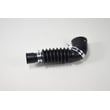
| Won’t drain, leaks near pump | Tub-to-pump connection | Washer tub-to-pump hose DC97-16781A |
| Spin issues with slipping or poor agitation | Clutch/drive system | Washer clutch DC31-00090B |
Why it matters
Spin, drain, and leak problems often cascade: an unlevel washer can repeatedly fail to balance, extend cycle time, and stress the clutch and suspension. Fixing leveling and drainage early helps protect the motor, control board, and tub components.
Helpful troubleshooting reference
- Use our Samsung top load washer error codes guide to match any displayed code to the most likely cause and the right next check.
Last updated: February 2026