Installation guide
 Owner’s manual



What is the capacity of WED94HEAW0?
The Whirlpool WED94HEAW0 27-inch electric dryer typically has a 7.0 cu. ft. capacity, which is the standard drum size for this style of full-size Whirlpool dryer. For the exact feature set and cycle details for your unit, use the WED94HEAW0 owner’s manual.
How to confirm capacity on your specific dryer
We recommend verifying capacity using the model-specific literature so you match the right expectations for load size and cycle performance.
- Check the specifications section in the WED94HEAW0 owner’s manual
- Look for “capacity” or “drum volume” in cubic feet (cu. ft.)
- If your dryer is a steam model variant, confirm the feature list and options
- Compare your control panel cycle names to the manual’s cycle chart
What 7.0 cu. ft. means in everyday use
A 7.0 cu. ft. drum is designed for typical family loads and bulky items, as long as airflow is not restricted.
- Handles most everyday mixed loads comfortably
- Dries bulky items best when you dry one large item at a time (comforter, blanket)
- Works best when the lint screen and exhaust venting are kept clear
- Overloading can increase dry time and reduce sensor-cycle accuracy
Quick load guidance (typical)
| Load type | Recommended fill level | Notes |
|---|---|---|
| Everyday mixed load | About 1/2 to 2/3 full | Best balance of tumbling and airflow |
| Towels/denim | About 1/2 full | Heavier fabrics need more space |
| Comforter/blanket | 1 item at a time | Add dryer balls if desired |
Why it matters
Capacity affects drying performance, sensor-cycle results, and wrinkle control. Keeping loads sized appropriately helps the moisture sensor and airflow system work correctly, which can also reduce overheating and wear on moving parts.
Last updated: January 2026
What is the most common problem with whirlpool dryers?
The most common Whirlpool dryer issue is a no-start condition: the dryer has power but will not run. On Whirlpool WED94HEAW0, the first checks are simple (door closed, Start pressed firmly, and the breaker or fuse is OK) before moving to parts testing.
Quick checks we recommend first (WED94HEAW0)
These items cause the most “dead” or “won’t start” complaints and are fast to verify:
- Confirm the controls are set to a running cycle and not paused.
- Press and hold Start firmly (some cycles require a deliberate press).
- Make sure the door is fully closed and the latch engages.
- Check the household breaker and fuses (electric dryers often need a full 240V supply).
- If this is a first-time run after install, allow the initial diagnostic routine to complete.
For the exact startup and installation checks for this model, follow the WED94HEAW0 installation guide.
Other very common Whirlpool dryer problems (and what they usually point to)
If your WED94HEAW0 starts but performance is off, these are the next most common categories:
- Takes too long to dry: restricted venting, lint buildup, or airflow problems.
- Overheats: blocked airflow, cycling issues, or a failed safety thermostat.
- Stops mid-cycle: overheating protection opening, poor airflow, or intermittent electrical.
- Noisy thumping/squealing: worn drum support rollers or idler pulley.
- Drum not turning: belt or idler system issue, or a motor problem.
Parts that commonly fix noise or no-tumble complaints
If the dryer runs but is loud or the drum movement feels rough, these parts are frequent wear items on Whirlpool 27-inch electric dryers:
| Symptom | Most likely wear area | Example part for WED94HEAW0 |
|---|---|---|
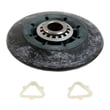
| Squeal, chirp, or rumble | Drum support rollers | Dryer drum support roller WPW10314173 |
| Squeal, belt slack, drum stalls | Idler pulley system | Dryer idler pulley 279640 |
| Multiple wear items at once | Roller, pulley, belt hardware | Dryer repair kit 4392067 |
Why it matters
A “won’t start” complaint is often a simple door, control, or power-supply issue, while long dry times and overheating usually trace back to airflow. Catching airflow restrictions early helps prevent repeat thermal fuse trips and protects the heating system.
Last updated: January 2026
What brand of dryer has the least problems?
Whirlpool tends to be one of the most reliable dryer brands overall, with LG and GE also commonly rated well for dependability. For your Whirlpool WED94HEAW0 27-inch electric dryer, long-term reliability still depends heavily on correct venting, stable power, and routine lint maintenance; see the WED94HEAW0 installation guide for setup details.
What to look for when choosing a reliable dryer brand
Reliability is usually driven by simpler design, strong parts availability, and good airflow management.
- Choose a brand with widely available replacement parts (rollers, idler pulley, thermistors)
- Prefer models that use rigid metal venting and have straightforward airflow paths
- Avoid long, restrictive vent runs (more heat stress and longer dry times)
- Keep the lint screen and vent system clean to reduce overheating
- Use the correct electrical supply and proper grounding
Reliability is also about installation and airflow
Even the best brand will have more failures if airflow is restricted. Poor venting can trap lint and moisture, which increases heat stress on components like the heating circuit and thermostats.
Venting best practices (high impact)
- Use rigid metal vent when possible; avoid flexible plastic or foil-type duct
- Seal joints with clamps; do not use screws that protrude into the duct
- Use a proper exterior hood; 45° elbows typically flow better than 90° elbows
Common “problem parts” across most electric dryers
These parts wear on nearly every brand; replacing them restores quiet operation and proper tumbling.
| Symptom | Common cause | Example part for WED94HEAW0 |
|---|---|---|
| Squealing or thumping | Worn drum support rollers | Dryer drum support roller WPW10314173 |
| Loud rumble, poor tumbling | Worn idler pulley | Dryer idler pulley 279640 |
| Overheats or shuts off | Airflow restriction or failed temperature sensing | Dryer thermistor WP8577274 |
Why it matters
A “reliable” dryer brand stays reliable when heat and airflow are controlled. Correct venting and grounding reduce nuisance shutdowns, overheating damage, and premature wear on the drive system.
Last updated: January 2026
What is the life expectancy of a Whirlpool dryer?
A Whirlpool electric dryer typically lasts 10 years. With normal use and good airflow (clean lint screen, clear venting), many dryers reach 12 to 15 years before major repairs become frequent. For your Whirlpool WED94HEAW0, routine maintenance has the biggest impact on lifespan.
What affects dryer lifespan most
- Venting and airflow: long or restricted vent runs increase heat and wear
- Lint buildup: raises operating temperature and stresses thermostats and fuses
- Load size: frequent overloading accelerates drum support and belt system wear
- Moisture-sensing cycles: dirty sensor bars can cause longer run times
- Electrical supply: loose connections can overheat terminals and components
Maintenance that extends life (high impact)
We recommend these habits for the WED94HEAW0:
- Clean the lint screen every load.
- Inspect and clean the vent path regularly; keep it as straight and short as possible.
- Avoid flexible plastic or foil venting; use rigid metal where possible.
- Do not use screws or duct tape inside the vent joints (they catch lint).
- Level the dryer so the drum rides evenly on its supports.
Venting guidance (from installation requirements)
The installation guidance for this model emphasizes fewer turns and staying within vent-length limits for best performance. Use the WED94HEAW0 installation guide to match your elbow count and hood style to an acceptable maximum length.
| Vent setup (rigid metal) | Typical max length | Why it matters |
|---|---|---|
| 0 elbows | about 64 ft. | Best airflow, shortest dry times |
| 2 elbows | about 44 ft. | More restriction, more heat buildup |
| 4 elbows | about 27 ft. | Highest restriction, most wear risk |
Common “wear-out” parts to watch
If your dryer is getting noisy, taking longer to dry, or squealing, these are common wear items:
- Dryer drum support roller WPW10314173 (thumping, rumbling)
- Dryer idler pulley 279640 (squeal, belt tension issues)
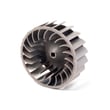
- Dryer blower wheel WP697772 (poor airflow, rattling)
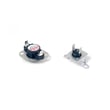
- Dryer thermal cut-off fuse kit 279973 (no heat or overheating protection trips)
Why it matters
A dryer that runs hot or can’t move air dries slower, uses more electricity, and wears out safety thermostats, fuses, and drum support components faster. Keeping airflow strong is the simplest way to get the full 10 to 15-year service life.
Last updated: January 2026