Owner’s manual


What is the most common problem with LG dryers?
For LG dryers like model DLE1001W, the most common problem we see is long dry times caused by restricted airflow (a clogged lint path or blocked vent duct). LG even includes airflow monitoring (Flow Sense) because duct restrictions are a frequent root cause of poor drying.
- Clean the lint screen before every load; never run the dryer without it.
- Inspect and clean the lint screen housing and the blower area if lint is building up.
- Check the vent hose behind the dryer for kinks, crushing, or excessive length.
- Confirm the exterior vent hood opens fully while the dryer runs.
- If you get an airflow alert, clean or repair the household ductwork to remove restrictions.
| Symptom | Most common cause | What to do |
|---|---|---|
| Clothes take 2+ cycles to dry | Vent restriction or lint buildup | Clean lint path and venting; shorten and straighten ducting |
| Dryer runs but heat seems weak | Airflow restriction or temperature control issue | Fix airflow first; then test thermostats/thermistor |
| Dryer shuts off early on sensor cycles | Moisture sensor bars coated | Clean sensor bars; verify airflow |
| No heat at all | Power supply issue (electric) or safety thermostat open | Verify power; then troubleshoot heating circuit |
If airflow is good and drying is still poor, these parts commonly come into play on DLE1001W:
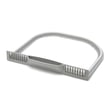
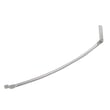
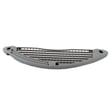
- Dryer lint screen by LG 5231EL1001C (missing or damaged filter reduces airflow and increases lint buildup)
- Dryer moisture sensor 6500EL3001A (can cause early shutoff on sensor cycles)
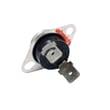
- Dryer thermistor AGM30045804 (helps regulate temperature)
- Dryer high-limit thermostat 6931EL3003D (can open if overheating occurs)
Restricted airflow is the top cause of long dry times, higher energy use, and overheating. Keeping the lint filter and vent system clean helps the dryer dry faster and reduces strain on the heating system.
For model-specific operating and troubleshooting guidance, follow the maintenance and troubleshooting steps in the DLE1001W owner’s manual.
Last updated: January 2026
What is the lifespan of an LG dryer?
An LG dryer typically lasts about 13 years with normal household use and routine maintenance. For your LG DLE1001W, keeping airflow strong (lint filter and venting) and fixing wear parts early helps you reach that expected service life; see the DLE1001W owner's manual for care and safety guidance.
Most dryers fail early due to heat and airflow problems or normal wear in moving parts.
- Heavy weekly loads shorten life faster than light use
- Restricted venting raises heat and stresses thermostats and the heating system
- Worn drum support parts increase vibration and motor load
- Overloading stretches the drum belt and strains the idler pulley
- Regular cleaning reduces overheating and long dry times
These habits protect the heater, motor, and controls.
- Clean the lint filter every load; replace a torn or warped screen such as the dryer lint screen 5231EL1001C
- Check the vent path for crushing, kinks, or lint buildup; use heavy metal ducting
- Keep loads balanced and avoid overfilling the drum
- If you hear squealing or thumping, inspect drum support parts early (belt, rollers, idler)
- If drying times increase, address airflow first before replacing electrical parts
| Symptom | Likely wear area | Example part for DLE1001W |
|---|---|---|
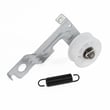
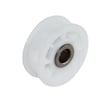
| Squealing, chirping | Idler pulley | Dryer idler pulley 4560EL3001A |
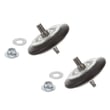
| Thumping, rumbling | Drum support rollers | Dryer drum support roller 4581EL2002H |
| Drum not turning | Belt | Dryer drum belt 4400EL2001F |
A dryer that runs hot or takes too long to dry wears out the heating element, thermostats, and motor faster. Good airflow and quick repairs reduce energy use and help your LG DLE1001W reach its normal lifespan.
Last updated: January 2026
Why does an LG dryer take so long to dry?
For the LG DLE1001W dryer, long dry times almost always come from restricted airflow (lint filter or venting), an overloaded or mixed-fabric load, or cycle settings that limit heat or shorten sensor-dry performance. Start by confirming strong exhaust airflow and correct cycle selection using the DLE1001W owner's manual.
- Clean the lint filter before every load; if it is coated with residue, wash and fully dry it.
- Inspect the exhaust duct for lint buildup, crushed flex duct, too many elbows, or a stuck exterior damper.
- Reduce load size; large, heavy items (towels, jeans) dry slower and do best in smaller, consistent loads.
- Separate heavy items from lightweight items so the sensor and heat match the load.
- Confirm you are using an appropriate cycle and dryness level; LESS DRY or DAMP DRY intentionally reduces cycle time and can leave items slightly damp.
- If the drum turns but drying is weak, check for airflow and heating issues (thermostats, thermistor, heating element).
- Run a heated cycle for about 3 minutes and verify the exhaust air feels warm and steady.
- Check the outside vent hood; the damper should open fully and blow strongly.
| What you see | What it usually means | What to do |
|---|---|---|
| Clothes still damp on Sensor Dry | Load is mixed, too large, or airflow is restricted | Sort fabrics, reduce load, clear venting |
| Time Dry works better than Sensor Dry | Sensor is not “reading” the load well | Use smaller loads; clean sensor bars; try a different Sensor Dry cycle |
| Dryer runs a long time and feels hot | Heat is present but air is not moving | Focus on vent restrictions and lint buildup |
If airflow is good and loads are sized correctly, a failing temperature-sensing part can cause poor heat control and longer cycles.
- Dryer lint screen by LG 5231EL1001C: a damaged or clogged screen reduces airflow.
- Dryer thermistor AGM30045804: inaccurate temperature sensing can affect heat control.
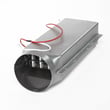
- LG dryer heating element 5301EL1001H: weak or failed heat output increases dry time.
Restricted venting and lint buildup do not just slow drying; they also increase operating temperature and energy use. Restoring proper airflow is the fastest way to get normal dry times back.
Last updated: January 2026
Are LG ventless dryers any good?
LG ventless dryers are a strong choice when you cannot run an exterior exhaust vent; they save space and can be energy-efficient, but they dry slower and require consistent lint and condenser maintenance. The LG DLE1001W is a vented electric dryer, so ventless pros and cons do not apply to this model.
Ventless (heat pump or condenser) dryers work well in apartments, interior laundry rooms, and other spaces without outdoor venting.
Typical strengths:
- No exterior vent required; flexible placement
- Lower heat output into the room than many vented dryers
- Gentle drying temperatures that help protect fabrics
Typical tradeoffs:
- Longer cycle times than vented dryers
- More maintenance; lint and condenser cleaning directly affect performance
- Higher purchase price in many lineups
Because the DLE1001W exhausts air through a duct, performance depends heavily on airflow and venting.
Best-practice checklist for DLE1001W:
- Clean the lint filter before every load
- Use a heavy metal vent and keep the duct run short with minimal elbows
- Avoid overloading; clothes need room to tumble
- If drying is slow, check for crushed ducting or a clogged exterior vent hood
- Use the cycle guide and sensor dry options listed in the DLE1001W owner's manual
| Feature | Ventless dryer | Vented dryer (like DLE1001W) |
|---|---|---|
| Venting | No exterior vent | Requires exterior vent duct |
| Dry time | Longer | Faster when venting is clear |
| Key maintenance | Condenser and filters | Lint filter and vent duct |
Choosing ventless vs vented is mainly an installation decision. If you cannot vent outdoors, ventless is the practical solution. If you can vent outdoors, a vented LG dryer like the DLE1001W typically finishes loads faster.
Last updated: January 2026