 Owner’s manual



What is the lifespan of an LG ThinQ washer?
An LG washer typically lasts 10 to 15 years with normal household use and basic maintenance. For your LG WM2077CW, the expected lifespan is in that same range; the best way to maximize it is to follow the care and cleaning guidance in the WM2077CW manual.
What affects washer lifespan most
- Overloading the drum or washing heavy items (like rugs) too often
- Too much detergent, which can cause excess suds and residue buildup
- Poor leveling, which increases vibration and wear during high-speed spin
- Hard water scale buildup in the tub and internal water paths
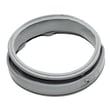
- Moisture left in the door boot, which can lead to odor and mold
Maintenance checklist (high impact, low effort)
We recommend these habits to help your WM2077CW reach the full 10 to 15 years:
- Wipe the door glass and door boot after the last load of the day
- Leave the door slightly open between loads so the tub can dry
- Clean the dispenser drawer periodically (warm water and a soft brush)
- Check and clean the drain pump filter area if draining slows or debris is suspected
- Verify the washer stays level and stable; re-level if it starts walking or vibrating
Quick guide: what “normal aging” looks like vs. a fixable issue
| What you notice | Often normal aging | Often a maintenance/repair issue |
|---|---|---|
| Louder spin over time | Some increase | Sudden grinding, banging, or repeated imbalance |
| Longer cycle times | Sometimes | Excess suds, draining problems, or water fill issues |
| Musty odor | No | Door boot moisture, residue, or mold buildup |
Why it matters
A front-load washer like the LG WM2077CW can run for years longer when it stays clean, level, and free of detergent residue. Small maintenance steps reduce strain on key components like the drain system, motor, and door seal.
Last updated: January 2026
Do LG washers have a filter that needs to be cleaned?
Yes. The LG WM2077CW front-load washer has a drain pump filter that should be cleaned periodically to remove lint, coins, and debris so the washer can drain properly and avoid slow-drain problems. The steps and safety notes are covered in the WM2077CW manual.
Where the filter is and what it does
On the WM2077CW, the drain pump filter is behind the small lower access cover at the bottom front of the washer. It traps small objects before they reach the drain pump.
Common items we find in the filter:
- Coins, hair pins, screws
- Lint and pet hair
- Small socks or fabric strings
- Buttons and bra wires
How often we recommend cleaning it
Cleaning frequency depends on usage, but a good rule for most households is:
| Usage pattern | Recommended filter cleaning |
|---|---|
| Normal laundry, empty pockets | Every 2 to 3 months |
| Pet hair, heavy lint loads | Monthly |
| Washer drains slowly or smells musty | Clean now, then recheck in 2 to 4 weeks |
Quick cleaning steps (WM2077CW)
Follow the detailed procedure in the WM2077CW manual; in general, the process is:
- Unplug the washer for safety.
- Open the lower cover.
- Drain water first using the small drain hose and plug.
- Unscrew the pump filter, remove debris, and rinse it.
- Reinstall the filter snugly, reinstall the drain plug, and close the cover.
Parts that may be involved if there’s damage or leaking
If the filter housing area is cracked, the cap will not seal, or the washer leaks after cleaning, these model-compatible parts are commonly involved:
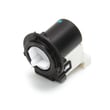
- Washer drain pump filter 383EER2001A (the removable filter that traps debris)
- Washer drain pump filter cover 5006ER2003N (the access cover for the filter area)
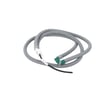
- Washer drain pump filter drain hose 5214FR4006G (the small hose used to drain before opening the filter)
Why it matters
A clogged drain pump filter can cause slow draining, standing water, extra noise, and longer cycle times. Keeping the filter clean helps protect the drain pump and keeps your LG washer running smoothly.
Last updated: January 2026
Can I fix an oe error myself?
Yes. On the LG WM2077CW washer, an OE error usually means the washer is not draining fast enough; you can often fix it yourself by cleaning the drain pump filter and checking the drain hose for kinks or clogs before replacing any parts. See the steps in the WM2077CW manual.
What to try first (safe DIY checks)
- Unplug the washer before opening the lower access area.
- Drain any standing water using the small drain hose behind the lower cover.
- Remove and clean the drain pump filter; clear lint, coins, and debris.
- Check the drain hose behind the washer for kinks, crushing, or a clog.
- Verify the drain hose is installed correctly (not shoved too far into the standpipe and not routed too high).
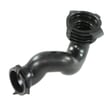
If the filter housing or drain hose is damaged or leaking, replace the exact model-compatible part such as the washer drain hose 5215ER2002G or the washer drain pump filter 383EER2001A.
Quick decision table
| What you see | Most likely cause | What we recommend |
|---|---|---|
| Washer won’t drain and you find debris in the filter | Clogged drain pump filter | Clean the filter and retry Drain/Spin |
| Slow drain, gurgling, or intermittent drain | Kinked/partially clogged drain hose | Straighten hose; clear blockage |
| Filter is clean but OE returns and you hear humming/no pumping | Drain pump issue | Inspect pump area; replace pump if needed |
| Water won’t drain and you see leaks at the front bottom | Loose cap/hose or damaged drain components | Reseat cap/hoses; replace damaged part |
When a part is likely needed
If the OE error comes back after cleaning the filter and confirming the hose is clear, the drain pump can be failing on this model. The compatible replacement is the washer drain pump assembly 4681EA2001T.
Why it matters
An OE drain error can leave water sitting in the tub, which can cause poor rinsing, odors, and repeated cycle interruptions. Fixing the drain path early helps protect the drain pump and keeps cycle times normal.
Last updated: January 2026
What are the common errors on an LG washing machine?
On the LG WM2077CW washer, the most common error codes you’ll run into are usually tied to draining, filling, load balance, or the door lock. Many can be cleared with simple checks (hoses, filter, load size), while repeated motor or sensor errors often point to a failed component.
Common LG washer error codes (and what they usually mean)
These are frequent on LG front-load washers like the WM2077CW; confirm the exact code meaning and steps in the WM2077CW manual.
- OE: washer won’t drain or drains slowly (often a clogged pump filter or drain hose issue)
- IE: washer won’t fill or fills slowly (water supply, inlet screens, inlet valve)
- UE: unbalanced load (load size, single bulky item, leveling)
- dE / dL: door not closed or door lock problem
- LE: motor overload/locked rotor condition (often load related, sometimes motor sensor)
- tE / HE: heating or temperature sensing problem (thermistor/heater circuit)
Quick checks we recommend before replacing parts
- Power the washer off for 1 minute, then restart the cycle.
- Reduce oversudsing; use the correct amount of HE detergent.
- Check the drain hose for kinks and confirm it’s installed at a proper height.
- Clean the drain pump filter area (coins, lint, small socks are common).
- Verify both hot and cold water faucets are fully open.
- Redistribute the load; avoid washing a single heavy item by itself.
Parts that commonly relate to these errors on WM2077CW
If the same code returns after the basic checks, these model-compatible parts are often involved:
| Error code | Most common system | Part to consider (WM2077CW compatible) |
|---|---|---|
| OE | Drain system | Washer drain pump assembly 4681EA2001T, washer drain pump filter 383EER2001A |
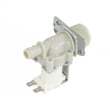
| IE | Fill system | Washer water inlet valve 5221ER1003A |
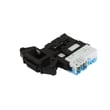
| dE / dL | Door lock system | Washer door lock switch EBF49827801 |
| LE | Motor sensing/drive | Washer motor rotor position sensor 6501KW2002B |
Why it matters
Error codes help narrow the problem fast. For example, an OE code is often a simple clog in the drain pump filter, while repeated IE errors can lead to long fill times and incomplete washes if the inlet valve or screens are restricted.
Last updated: January 2026


