Error Codes


How do I tell what model my Kenmore dryer is?
Your Kenmore dryer’s model number is printed on the appliance ID label; for this dryer, the model is 11086864800. Check the label first, then match the full number exactly when ordering parts so you get the right fit and electrical or gas configuration.
Where to find the model number label
Most Kenmore dryers place the model/serial label in one of these spots:
- Inside the door opening on the front panel
- On the door frame or cabinet lip near the latch
- On the back panel of the dryer cabinet
- Near the lint screen housing (depending on the design)
If the label is worn, use a flashlight and look for faint stamped or printed characters.
How to read the number (and why it helps)
Kenmore model numbers are long because they identify the exact build. For 11086864800, the 110 prefix is commonly associated with Whirlpool-built Kenmore dryers, which helps narrow down compatible components.
What to match when buying parts
- Use the full model number: 11086864800 (not just “110”)
- Match every digit; one digit off can change the drum size, heater style, or wiring
- Use the model number to confirm the correct diagrams and part substitutions
Quick part-check examples for this model
If you already know what failed, matching the model number lets you pick the correct replacement part faster.
| Symptom | Common related part | Example for model 11086864800 |
|---|---|---|
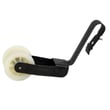
| Drum not turning | Drum belt or idler pulley | Belt 341241, dryer idler pulley WP691366 |
| Dryer will not start | Door switch or drive motor | Dryer door switch W10820036, motor 279827 |
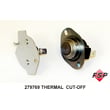
| Runs but no heat (electric models) | Thermal cut-off or thermal fuse | Cut-off 279769, fuse WP3392519 |
Why it matters
Using the exact Kenmore model number prevents ordering the wrong belt length, motor style, or safety thermostat; it also helps you troubleshoot faster because the correct parts list matches your dryer’s exact configuration.
Last updated: February 2026
How long do Kenmore dryers last?
Most Kenmore dryers, including model 11086864800, last about 15 years with normal household use. Consistent airflow maintenance (lint screen and venting) and avoiding overloads are the biggest factors that help a dryer reach or exceed that typical lifespan.
Typical lifespan and what changes it
A dryer’s life is usually limited by wear parts (belt, motor, rollers/bearings) and heat or airflow issues that cause overheating.
- Usage frequency: daily loads wear moving parts faster than weekly use
- Overloading: strains the drum support system and can shorten belt and motor life
- Airflow restrictions: clogged lint screen or venting raises heat and stress on safety parts
- Heat type and cycling: frequent high-heat cycles increase thermal wear
- Basic upkeep: cleaning lint and keeping the vent clear prevents many failures
Quick maintenance checklist (high impact)
- Clean the lint screen after every load; replace a damaged screen such as screen W10874409.
- Check the exhaust vent for crushing, kinks, or heavy lint buildup.
- Keep the area around the dryer clean so the motor can cool properly.
- Do not run the dryer with a blocked vent; it can trip safety cutoffs.
- Stop using the dryer if you smell burning or hear loud squealing or grinding.
Common “end-of-life” symptoms and likely wear parts
| Symptom | What it often points to | Example part for this model |
|---|---|---|
| Drum will not turn, motor runs | Worn or broken belt | Belt 341241 |
| Loud squeal or thump | Idler pulley or drum support wear | Dryer idler pulley WP691366 |
| Runs but no heat (or stops mid-cycle) | Airflow issue or thermal safety opening | Cut-off 279769 |
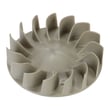
| Weak airflow, longer dry times | Lint path restriction or blower issue | Dryer blower wheel WP694089 |
Why it matters
A well-vented dryer dries faster, runs cooler, and puts less stress on the motor, heater circuit, and safety fuses. That directly improves reliability and helps your Kenmore dryer reach the 15-year mark.
Last updated: February 2026
What are common problems with Kenmore dryers?
For the Kenmore dryer model 11086864800, the most common problems are no heat, long dry times, won’t start, drum not turning, and loud noises. These issues usually trace back to airflow restrictions (lint buildup) or normal wear on drive and safety parts such as a belt, thermal fuse, or door switch.
Most common symptoms and what usually causes them
- Dryer runs but won’t heat: failed thermal cut-off, thermal fuse, thermostat, or a heating circuit wiring issue
- Long drying times or overheating: clogged lint screen, blocked venting, restricted lint chute, or a weak blower wheel
- Drum won’t turn: broken belt, worn idler pulley, or a failing drive motor
- Won’t start at all: door switch not closing, blown thermal fuse, or motor problem
- Squealing, thumping, or rumbling: belt wear, idler pulley wear, or blower wheel issues
Parts that commonly fix these problems (for model 11086864800)
If your symptom matches, these model-compatible parts are frequent fixes:
- Belt 341241 for a drum that won’t tumble
- Dryer idler pulley WP691366 for squealing and belt tension problems
- Motor 279827 for humming, no-start, or intermittent tumbling
- Fuse WP3392519 for a dryer that won’t run (often after overheating)
- Cut-off 279769 for no-heat conditions tied to overheating protection
- Dryer door switch W10820036 for a dryer that won’t start when the door is closed
Quick checks we recommend before replacing parts
- Clean the lint screen and confirm strong airflow at the outside vent hood.
- Inspect the vent duct for crushing, kinks, or heavy lint buildup.
- Listen for motor hum, belt slip, or scraping that points to a drive issue.
- If the dryer won’t start, test the door switch and check for a blown thermal fuse.
Symptom-to-part cheat sheet
| Symptom | Most likely area | Common part examples for this model |
|---|---|---|
| Runs, no heat | Heating safety circuit | Thermal cut-off, thermal fuse, thermostat, wiring |
| Long dry times | Airflow system | Lint screen, venting, blower wheel, lint chute |
| Drum not turning | Drive system | Belt, idler pulley, motor |
| Won’t start | Door/safety/drive | Door switch, thermal fuse, motor |
Why it matters
Airflow problems can trigger overheating protection and blow a fuse or cut-off, while worn drive parts can strain the motor. Fixing the root cause (especially venting and lint buildup) helps prevent repeat failures and improves drying performance.
Related DIY help: Kenmore 110 series electronic control model dryer error codes
Last updated: February 2026
What size is a Kenmore Model 11086864800 dryer?
Most Kenmore model 11086864800 dryers are full-size, 27-inch class machines; plan on an exterior footprint of about 27 inches wide, 27 to 29 inches deep, and 43 to 44 inches tall (height varies most with leveling legs). For exact clearance and fit, we size the space using typical ranges and confirm with the unit’s measured cabinet dimensions.
Typical dimensions to plan for
Use these common planning numbers for a standard Kenmore 110-series style dryer:
- Width: ~27 inches
- Depth (cabinet): ~27 to 29 inches
- Height: ~43 to 44 inches
- Door swing clearance: allow extra space in front for loading
- Vent space: allow room behind for the exhaust duct (vented models)
| Measurement | Typical planning range | What changes it most |
|---|---|---|
| Width | ~27 in | Cabinet class (most are 27-in) |
| Depth | ~27 to 29 in | Rear vent duct, cord/plug clearance |
| Height | ~43 to 44 in | Leveling legs, floor slope |
How we recommend confirming the exact fit
Because no model-specific dimension sheet is provided here for 11086864800, we confirm fit by measuring the cabinet:
- Measure widest point side-to-side (usually the top/cabinet edges)
- Measure front to back from the front panel to the farthest rear point (include vent/cord clearance in your space plan)
- Measure floor to top with the dryer leveled
- Add clearance for airflow and service access (especially at the rear)
Why it matters
Dryer “size” is not just the cabinet width; depth and rear clearance affect whether the dryer fits without crushing the vent, which helps prevent long dry times and overheating.
Related DIY help
If you are troubleshooting performance after moving or reinstalling, we use these guides to narrow down airflow and control issues:
- Kenmore 110 series electronic control model dryer error codes
- How to use your clothes dryer efficiently
Last updated: February 2026