Installation guide
 Owner’s manual


How do I fix an E1 error on my Whirlpool dishwasher?
On a Whirlpool WDT780SAEM1 dishwasher, an E1 error is most often tied to a water fill or water level problem. We fix it by resetting power, confirming the shutoff valve is fully on, and checking for simple blockages or suds that can confuse water-level sensing. See the WDT780SAEM1 installation guide for water supply and routing basics.
Quick fixes to try first (5 to 10 minutes)
- Turn the dishwasher off at the breaker for 1 minute, then restore power.
- Verify the manual shutoff valve under the sink is fully open.
- Run the hot water at the sink for 30 to 60 seconds before starting a cycle.
- Cancel the cycle and let the unit drain; restart on a normal cycle.
- If you recently used hand soap or the wrong detergent, stop and clear excess suds (suds can trigger fill level issues).
Water supply checks (most common cause)
The installation guidance for this model calls for a manual shutoff valve under the sink and recommends flushing the water line into a shallow pan until clear to remove particles that can clog the inlet valve.
What to inspect
| Check | What you are looking for | What to do |
|---|---|---|
| Shutoff valve | Partially closed valve | Open fully |
| Supply line | Kinked or pinched line | Straighten and re-route |
| Water pressure | Weak flow at sink | Correct plumbing issue first |
| Inlet screen/valve | Debris restricting fill | Clean screen or replace valve |
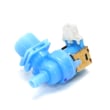
If the dishwasher is not filling or fills very slowly, the dishwasher water inlet valve WPW10327249 is a common fix when the valve is electrically good but mechanically restricted or failing.
Drain and overflow-related checks
A dishwasher that cannot drain correctly can also behave like it has a fill problem.
- Check the sink drain/disposer connection for a clog.
- Confirm the drain hose is routed correctly and not kinked.
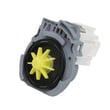
- If the unit hums but will not pump out water, the dishwasher drain pump WPW10348269 is a likely suspect.
Why it matters
E1 errors usually show up when the control does not see the expected water level change. Fixing water supply restrictions, drainage problems, or excessive suds prevents repeat errors and protects the pump and heater from running under poor conditions.
For code interpretation and model-family tips, use our Whirlpool dishwasher error codes guide.
Last updated: February 2026
How much to replace control panel on Whirlpool dishwasher?
Replacing the control panel (console) on a Whirlpool WDT780SAEM1 dishwasher typically costs $150 to $250 for the part, and $300 to $550 total installed with professional labor. Your final price depends on the exact console version and local service rates.
Typical cost breakdown (parts and labor)
- Console/control panel part: $150 to $250
- Labor (service call + install): $150 to $300
- Total installed: $300 to $550
- DIY total: $150 to $250 (part plus basic tools)
| Replacement option | What you pay for | Typical total |
|---|---|---|
| DIY | Part only | $150 to $250 |
| Professional service | Part + labor | $300 to $550 |
Which part is usually the “control panel” on this model
On WDT780SAEM1, the control panel is commonly sold as a complete console assembly (the visible panel with buttons/LEDs).
- Consider the console assembly W10911311 when the buttons are damaged, the overlay is worn, or the user interface is unresponsive.
Checks that can prevent buying the wrong part
A dead or glitchy console can be caused by power, a door-latch issue, or the main control board.
- Try the reset steps in the WDT780SAEM1 owner’s manual
- Confirm the door closes firmly and the latch engages
- Check for blinking lights or fault patterns and match them using Whirlpool dishwasher error codes
- Verify the breaker is on and the dishwasher is getting power
- If the console lights work but cycles will not start, inspect the door latch and wiring connections
Why it matters
The console is one of the higher-cost Whirlpool dishwasher parts; confirming power, door-latch operation, and error-code symptoms first helps avoid replacing the wrong component and reduces repeat repairs.
Last updated: February 2026
How to reset quiet partner 1 whirlpool dishwasher?
To reset your Whirlpool dishwasher (including Quiet Partner I models like WDT780SAEM1), we recommend doing a simple power reset: turn power off at the breaker (or unplug), wait 1 to 5 minutes, then restore power and start a new cycle. See the WDT780SAEM1 installation guide for power and “does not operate” checks.
Quick reset steps (safe and effective)
- Turn the dishwasher OFF.
- Unplug the power cord (if accessible) or switch the circuit breaker OFF.
- Wait 1 to 5 minutes.
- Restore power (plug back in or turn breaker ON).
- Close the door firmly and press Start/Resume to begin a cycle.
If it still will not start after the reset
The installation checks for WDT780SAEM1 focus on the basics that prevent operation.
- Confirm the door is closed tightly and latched.
- Verify the cycle is set correctly (a cycle must be selected before Start).
- Check the house breaker or fuse again.
- Make sure the water shutoff valve under the sink is ON.
- If the unit powers up but will not run, try the reset again, then reselect the cycle.
Fast troubleshooting table
| What you see | Most likely cause | What we do next |
|---|---|---|
| No lights, no response | No power at outlet/breaker | Reset breaker, verify grounded outlet |
| Lights on, won’t run | Door not latched or cycle not set | Latch door, reselect cycle, press Start |
| Starts then stops early | Water not on or fill issue | Turn water on, check inlet supply |
Why it matters
A power reset clears a “stuck” control state and forces the control board to reboot. If the dishwasher still does not operate, the issue is usually power, door latch engagement, or water supply, which are the first items we verify before moving to parts testing.
For model-specific operating steps and checks, use the WDT780SAEM1 owner’s manual.
Last updated: February 2026
What is the average lifespan of a whirlpool dishwasher?
A Whirlpool dishwasher typically lasts 10 years on average. For your Whirlpool WDT780SAEM1, regular cleaning, correct loading, and fixing small issues early (like poor draining or weak washing) helps you reach that lifespan and avoid premature pump, spray, or heating problems.
Typical lifespan and what affects it
Most Whirlpool dishwashers land in the same general range, but real-world life depends on usage and maintenance.
- Loads per week: more cycles usually means faster wear on pumps and seals
- Water quality: hard water speeds up mineral buildup and can reduce cleaning and drying
- Detergent and rinse aid use: correct amounts reduce residue and spotting
- Filter and sump cleanliness: prevents recirculating debris that strains the wash system
- Early repairs: replacing small rack or latch parts can prevent bigger failures
Quick maintenance checklist (best ROI)
Use these habits to extend life and keep performance consistent.
- Clean the filter area and remove debris from the sump regularly (see WDT780SAEM1 installation guide)
- Run hot water at the sink before starting a cycle to improve wash results
- Use rinse aid; Whirlpool notes it is necessary for good drying performance
- Check spray arm holes for clogs and clear them as needed
- Keep the door closing and latching smoothly; a weak latch can stop cycles mid-start
Common “end-of-life” symptoms and likely culprits
| Symptom | What it often points to | Example part for this model |
|---|---|---|
| Won’t drain or leaves standing water | Drain restriction or failing drain pump | Dishwasher drain pump WPW10348269 |
| Poor cleaning, gritty dishes | Clogged spray arm, circulation issue | Dishwasher spray arm WPW10491331 |
| Not drying well | Rinse aid issue, heater circuit problem | Element assembly W10703867 |
| Door won’t stay shut or won’t start | Door latch problem | Dishwasher door latch WPW10653840 |
Why it matters
A dishwasher near the 10-year mark can still be a great candidate for repair when the issue is a single replaceable part (spray arm, latch, drain pump). Targeted repairs often restore cleaning and draining without replacing the whole unit.
Last updated: February 2026
What's the most common problem with a whirlpool dishwasher?
The most common Whirlpool dishwasher problems are poor draining, poor cleaning, and leaks. On the Whirlpool WDT780SAEM1, these symptoms usually trace back to a clogged drain path, a restricted spray system, or a worn door seal or latch that prevents a tight, consistent close. See the WDT780SAEM1 user manual for cycle and care guidance.
Most common symptoms and what they usually mean
- Dishwasher not draining: drain hose kink, air gap or disposer plug issue, or a failing drain pump
- Not cleaning well: clogged spray arm holes, overloaded racks, or low water fill
- Leaks: door not latching fully, door seal wear, or loose hose connections
- Bad odors: food debris in the sump area or filter zone, or infrequent cleaning
- Won’t start or stops mid-cycle: door not fully latched, control lock, or a reset needed
Quick checks we recommend first (fast, no parts)
- Confirm the door closes and latches firmly; a weak latch can cause no-start and leaking.
- Run the shortest cycle and check for water in the bottom of the tub after the first couple minutes.
- Inspect the drain hose routing under the sink for kinks or a high loop.
- Remove and rinse the spray arm holes if you see debris.
Parts that commonly fix 3 of the top complaints
| Problem | Most likely part area | Model-matched part to consider |
|---|---|---|
| Not draining | Drain pump or drain path restriction | Dishwasher drain pump WPW10348269 |
| Not cleaning | Spray arm not spinning or clogged | Dishwasher spray arm WPW10491331 |
| Leaks or won’t start | Door not closing consistently | Dishwasher door latch WPW10653840 |
Why it matters
Drain, wash, and door-seal issues can cascade: a small restriction can leave dirty water behind, create odors, and reduce wash performance. Catching the symptom early helps prevent repeat cycles, standing water, and unnecessary wear on the pump and motor.
For fault codes and what they mean on Whirlpool units, use our Whirlpool dishwasher error codes reference.
Last updated: February 2026
Why is my Whirlpool dishwasher leaking at the bottom of the door?
A bottom-of-door leak on your Whirlpool WDT780SAEM1 happens when wash water or suds are pushed toward the front and escape past the door area. The most common causes are oversudsing, a spray arm that redirects water forward, or a door that is not latching and seating consistently (see the WDT780SAEM1 installation guide).
Quick checks we recommend first
- Cancel the cycle and let water stop moving before opening the door.
- Look for foam or bubbles; hand soap, wrong detergent, or rinse aid overfill causes oversudsing.
- Check that the door closes firmly and you feel the latch engage.
- Confirm tall items are not pressing on the inner door or blocking spray arm rotation.
- Verify the dishwasher is level and does not shift in the cabinet opening.
Parts that commonly cause door-area leaks
If water is being sprayed toward the front or the door is slightly ajar under pressure, these model-matched parts are common suspects:
- Dishwasher spray arm WPW10491331 (cracks or clogged jets can change the spray pattern)
- Dishwasher door latch WPW10653840 (a worn latch can let the door sit slightly open)
Symptom-to-cause guide
| What you notice | Likely cause | What to do |
|---|---|---|
| Suds at the bottom edge | Oversudsing | Switch to dishwasher detergent; run a rinse to clear suds |
| Leak starts early in wash | Spray redirected forward | Clean jets; replace spray arm if cracked |
| Door does not “click” shut | Latch not engaging | Inspect strike area; replace latch if worn |
| Leak only when heavily loaded | Loading interference | Reload; keep front corners clear |
Why it matters
Door-area leaks are usually a spray-direction, loading, or alignment issue. Fixing the cause protects the toe-kick area and keeps proper wash pressure for better cleaning.
Last updated: February 2026