Owner’s manual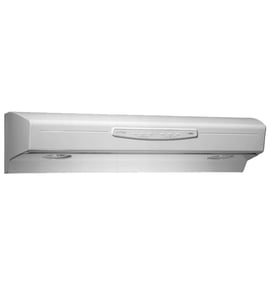




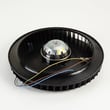
What's the best CFM for a range hood?
For a Broan E66136SS range hood, the “best” CFM is the lowest airflow that still captures smoke and grease effectively for your cooking style; most homes do well in the 150 to 250 CFM range, while higher CFM is mainly helpful for frequent high-heat cooking. Confirm your hood’s rated airflow and setup details in the E66136SS owner’s manual.
How we choose the right CFM (practical guidelines)
- Light cooking (simmering, occasional frying): 150 to 250 CFM
- Regular cooking (daily sautéing, frequent frying): 250 to 400 CFM
- Heavy cooking (high heat, lots of smoke/grease): 400+ CFM (often needs better makeup air planning)
- Bigger cooktops and longer duct runs usually need more CFM to maintain real-world performance
- Capture matters as much as CFM: hood height, coverage, and ducting can make a lower-CFM hood work better
Installation details that affect “real” performance
Your E66136SS installation has a big impact on how well any CFM rating works.
- Mount the hood 24 to 30 inches above the cooktop (30 inches is commonly recommended for best capture)
- Duct air to the outdoors, not into an attic, wall, or ceiling space
- Keep ducting as short and straight as possible; elbows and long runs reduce airflow
- Clean filters often; grease buildup reduces airflow and increases fire risk
Quick comparison table
| Cooking and setup | Typical target CFM | Notes |
|---|---|---|
| Light cooking, short straight duct | 150 to 250 | Often the best balance of noise and performance |
| Average cooking, moderate ducting | 250 to 400 | Helps offset normal duct losses |
| Heavy smoke/grease, longer ducting | 400+ | Plan for replacement air and higher noise |
Why it matters
Oversizing CFM can increase noise and can depress indoor air pressure; your manual notes that with high exhausting capacity you may need to open a nearby window to bring in replacement air. Right-sizing CFM improves capture, comfort, and safety.
Last updated: January 2026
Do you plug in or hardwire a range hood?
For the Broan E66136SS range hood, we connect it using a household power cable that’s clamped into the hood’s wiring box and then wire-nutted to the hood leads (black-to-black, white-to-white, and green/bare to ground). That setup is a hardwired connection, not a standard plug-in cord.
What the E66136SS installation wiring looks like
The installation steps call for running a power cable to the hood location, securing it with a wire clamp, and making the wire connections inside the hood.
- Turn off power at the breaker before touching any wiring
- Run the power cable to the hood location
- Secure the cable with the provided wire clamp in the hood
- Connect BLACK to BLACK, WHITE to WHITE
- Connect GREEN or BARE house ground under the hood’s GREEN ground screw
- Reinstall panels carefully so wires are not pinched
For the full wiring and mounting sequence, use the E66136SS owner's manual.
Plug-in vs. hardwired: quick comparison
Most range hoods are installed one of two ways. This model’s instructions align with the hardwired method.
| Power method | What you’ll see | Typical use case |
|---|---|---|
| Plug-in cord | 3-prong cord and nearby outlet | Some under-cabinet hoods with a factory cord |
| Hardwired (this model’s method) | House cable into wiring box with clamp and wire connectors | Many built-in and higher-CFM hoods |
Why it matters
Correct power connection affects safety, reliability, and troubleshooting. A loose clamp, incorrect ground, or poor wire connection can cause the hood to not work at all or behave intermittently.
Related troubleshooting help
If the hood has power but the fan or lights still do not operate, follow the steps in range hood doesn't work at all to narrow down issues such as supply power, switches, or controls.
Last updated: January 2026
Is 36 inches too high for a range hood?
For the Broan E66136SS range hood, 36 inches is too high for best performance. The manual specifies a minimum of 24 inches, and it highly recommends a maximum of 30 inches above the cooktop for the best capture of smoke, grease, and cooking odors. See the E66136SS owner's manual.
Recommended mounting height for E66136SS
Use these clear targets when planning installation:
- Minimum height: 24 inches above the cooktop
- Best performance range: 24 to 30 inches
- Over 30 inches: allowed at installer/user discretion, but capture performance drops
| Cooktop to hood distance | What to expect | Our recommendation |
|---|---|---|
| 24 to 30 inches | Best capture of cooking impurities | Use this range |
| 31 to 36 inches | Weaker capture, more smoke/grease escapes | Avoid if possible |
| Below 24 inches | Too close; not allowed for this model | Do not install |
Why 36 inches can cause problems
When a hood sits too high, it has a harder time pulling the “plume” of heat, smoke, and grease into the filters and duct.
Common symptoms of a hood mounted too high include:
- Grease buildup on cabinets and backsplash
- Smoke and odors lingering in the kitchen
- Fan seems to run but does not clear the air well
- You feel like you must run the blower on high all the time
If you are already seeing these issues, our range hood fan not pulling much air troubleshooting steps can help.
Tips if you cannot lower the hood
If cabinetry, a backsplash, or a microwave shelf forces a higher mounting height, these steps help maximize performance:
- Clean or replace the grease filters regularly (a clogged filter reduces airflow)
- Confirm the ductwork is properly sized and sealed, with minimal elbows
- Make sure the damper opens freely and the exterior cap is not blocked
- Provide make-up air (opening a nearby window can help in tight homes)
Why it matters
Mounting height directly affects airflow capture. Keeping the Broan E66136SS within the recommended 24 to 30 inch range helps the blower move cooking impurities into the filters and out through the ducting instead of letting them spread through the kitchen.
Last updated: January 2026
What are the disadvantages of recirculating hoods?
Recirculating (ductless) range hoods generally remove less heat, humidity, smoke, and odors than a ducted-to-outside setup, so your kitchen air can feel greasier and more humid during heavy cooking. For the Broan E66136SS, we recommend following the venting and use-and-care guidance in the E66136SS owner's manual to match performance to your cooking style.
Main disadvantages of a recirculating (ductless) hood
- Weaker odor and moisture removal: Air is filtered and returned to the room instead of being exhausted outdoors.
- More frequent filter maintenance: Grease filters must be cleaned regularly, and any odor filters (if used) need periodic replacement.
- Less effective for high-heat cooking: Searing, frying, and wok cooking can overwhelm a ductless setup.
- Potential for grease film in the kitchen: When capture is lower, airborne grease can settle on cabinets and walls.
- Noise can feel more noticeable: If you run higher fan speeds longer to compensate, sound becomes a bigger factor.
What we recommend for best real-world performance
The biggest performance difference usually comes down to capture and airflow management.
| Setup | Best at | Tradeoffs |
|---|---|---|
| Ducted to outside | Removing heat, humidity, smoke, odors | Requires ductwork planning and proper venting |
| Recirculating (ductless) | Simple install where ducting is not possible | More filter upkeep; less odor and moisture removal |
Tips that matter for the Broan E66136SS
- Mounting height matters: Many hoods perform best when installed about 24 to 30 inches above the cooktop (check your manual for the exact guidance for your installation).
- Use the right ducting practices if venting outside: Proper duct size, sealed joints, and a good wall or roof cap help maintain airflow.
- Plan for make-up air: High airflow hoods can require bringing fresh air into the home (for example, opening a nearby window during heavy cooking).
Why it matters
If your main goal is removing cooking odors, smoke, and moisture, ducting the hood to the outside typically delivers noticeably better comfort and less grease buildup over time. Recirculating can still work well for light cooking, but it demands more filter care to keep performance consistent.
Last updated: January 2026