Owner’s manual



What is the most common problem with LG dryers?
For the LG DLE3050W dryer, the most common issue we see across LG electric dryers is no heat or weak heat, and the top suspect is typically a failed heating circuit component (often the heating element). Use the DLE3050W dryer manual to confirm cycle settings and basic checks before testing parts.
- No heat / not drying: clothes stay damp, cycle finishes normally but laundry is cool
- Long dry times: dryer runs, but loads take 2 to 3 cycles (often airflow related)
- Stops mid-cycle: may shut down to protect against overheating or poor airflow
- Loud rumbling or thumping: worn drum support components
- Error codes: points you toward a sensor, airflow, or control issue
- Clean the lint screen every load; a clogged screen can mimic a heating failure
- Verify the exhaust vent is not crushed, kinked, or packed with lint
- Try a timed dry cycle to compare results vs sensor dry
- Confirm the load size is not overpacked (air must move through the drum)
- If you see airflow warnings, address venting before replacing heating parts
If your DLE3050W tumbles but won’t heat, these are common components to test:
| Symptom | Likely area | Example compatible part for this model |
|---|---|---|
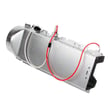
| No heat, dryer runs | Heating circuit | Dryer heating element 5301EL1001J |
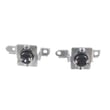
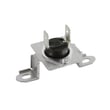
| Overheats or shuts off | Safety thermostats | High-limit thermostat, blower thermostat |
| Erratic temps / poor sensor drying | Temperature sensing | Thermistor, moisture sensor |
On the DLE3050W, airflow problems (lint buildup, long vent runs, crushed duct) can cause long dry times and can also overheat the dryer, which may lead to repeated thermostat trips or heating component failure. Fixing venting first helps the repair last.
Last updated: January 2026
What is the lifespan of an LG dryer?
An LG dryer like model DLE3050W typically lasts 10 to 15 years with normal household use. Consistent airflow maintenance (lint screen and venting) and avoiding overheating are the biggest factors that help this dryer reach the high end of that range.
- Vent restriction (long runs, crushed duct, lint buildup) increases heat and wear
- Lint control: a clogged screen reduces airflow and strains the heater and motor
- Load habits: frequent overloading stresses the drum, belt, and rollers
- Heat management: repeated overheating can shorten thermostat and heating system life
- Installation quality: correct leveling and proper duct materials reduce vibration and heat issues
For LG DLE3050W operating and venting guidance, we follow the recommendations in the DLE3050W owner’s manual.
- Clean the lint screen before or after every load
- Inspect and clean the household vent duct periodically; keep the run short and unobstructed
- Keep the dryer level to reduce vibration and premature wear
- Do not use plastic or thin foil venting; use rigid or approved metal ducting
- Stop using the dryer if drying times suddenly increase and check airflow first
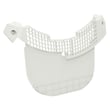
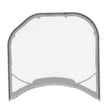
If your lint screen is torn, warped, or no longer fits tightly, replacing it can restore airflow; see the lint filter - dryer part by LG ADQ56656401.
| Item | Typical role in longevity | Common symptom when worn |
|---|---|---|
| Lint screen and venting | Keeps airflow strong and temperatures normal | Long dry times, hot cabinet |
| Drum support system | Keeps drum turning smoothly | Thumping, squealing, vibration |
| Heating and temperature sensing | Controls heat safely and efficiently | No heat, overheating, inconsistent drying |
A dryer that runs with restricted airflow often takes longer to dry, runs hotter, and cycles more; that extra heat and runtime can shorten the life of key components like the motor, thermostats, and heating system.
Last updated: January 2026
Are LG ventless dryers any good?
LG ventless dryers can be a good choice when you cannot vent outdoors; they are typically compact, efficient, and convenient for apartments or tight laundry spaces. However, LG DLE3050W is a vented dryer model, so ventless-dryer pros and cons do not directly apply to how this specific dryer is designed to operate.
Our LG DLE3050W is built to exhaust air through a 4-inch vent system; proper ducting and airflow are key to drying performance and cycle time. For model-specific operating, venting, and safety details, use the DLE3050W owner’s manual.
Best practices for this model (vented):
- Clean the lint screen before or after every load.
- Use 4-inch rigid or semi-rigid metal ducting when possible.
- Keep the vent run short and use as few elbows as possible.
- Avoid plastic or thin foil ducting.
- Check for crushed ducting behind the dryer after pushing it back.
| Feature | Ventless (heat pump/condensing) | Vented (like LG DLE3050W) |
|---|---|---|
| Outdoor vent required | No | Yes |
| Typical drying time | Longer | Faster |
| Room impact | Adds some heat/moisture depending on design | Sends heat/moisture outdoors |
| Maintenance focus | Condenser/filters, airflow paths | Lint screen and vent duct airflow |
Long dry times on a vented dryer are often caused by restricted airflow, not the heater itself. Start with the lint screen and venting path; if the lint screen is damaged or not fitting correctly, replace it with the exact lint filter - dryer part by LG ADQ56656401.
Good airflow helps the dryer heat and exhaust properly; it improves drying results, reduces cycle time, and helps prevent overheating issues that can trip safety thermostats.
Last updated: January 2026
Why does an LG sensor dry dryer take so long to dry?
On the LG DLE3050W, Sensor Dry cycles usually run long when exhaust airflow is restricted, the load is oversized or very wet, or the moisture-sensing system is not reading consistently. Start with venting and lint-screen checks outlined in the DLE3050W owner’s manual.
- Clean the lint screen before every load; remove any film from dryer sheets.
- Check the outside vent hood for a stuck flap, lint buildup, or a clogged screen.
- Inspect the vent hose for kinks, crushing, or long runs with too many elbows.
- Reduce load size; Sensor Dry needs good tumbling to measure moisture.
- Sort by fabric weight (towels and jeans dry slower than synthetics).
The DLE3050W recalculates remaining time during Sensor Dry, so the display can change. It also uses Flow Sense duct blockage sensing to alert you when vent restriction is increasing dry times.
If airflow is good but Sensor Dry still runs long or ends with damp clothes, check the sensing and heating circuits:
- Moisture sensor bars may be coated or failing; consider replacing the dryer moisture sensor 6500EL3001A.
- Temperature sensing issues can extend cycles; consider the dryer thermistor AGM30045804.
- Weak heat output can lengthen all cycles; consider the dryer heating element 5301EL1001J.
| What you notice | Most likely cause | Best next step |
|---|---|---|
| Clothes hot but still damp | Vent restriction or overloaded drum | Clean/shorten vent run; reduce load |
| Time display changes a lot | Sensor recalculating due to load/airflow | Improve airflow; sort loads |
| Sensor Dry ends early, damp | Moisture sensor not detecting | Clean sensor bars; test/replace sensor |
| Slow on all cycles | Airflow or heating problem | Verify venting; check heat output |
Restricted airflow wastes energy and can overheat components such as thermostats and the heater housing. Fixing venting and sensor issues restores normal dry times and helps protect the dryer.
Last updated: January 2026