 Installation guide
 Owner’s manual
 Error Codes


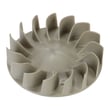
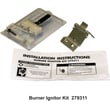
What are the most common issues with WGD5100SQ0?
The most common issues we see with the Whirlpool WGD5100SQ0 gas dryer are no heat or weak heat, not starting, long dry times, loud rumbling or squealing, and door-latch problems. These symptoms usually trace back to airflow restrictions, ignition components, or worn drum support parts.
- No heat or intermittent heat: failed igniter, radiant sensor, gas valve coils, or gas valve
- Dryer will not start: push-to-start switch, door not latching, timer issues, or motor problems
- Long dry times: clogged lint screen, blocked venting, lint buildup in the chute or blower housing
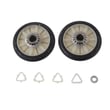
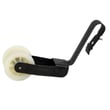
- Loud noise (thumping, squealing, grinding): worn belt, rollers, or pulley; loose blower wheel
- Door won’t stay closed: worn door catch or strike
- Clean the lint screen and confirm strong airflow at the outside vent hood.
- Verify the door closes firmly; a weak latch can prevent starting.
- If the drum turns but there’s no heat, focus on ignition and gas valve components.
- If the dryer is noisy, inspect the belt path and drum support points.
| Symptom | Common part to check | Example part on this model page |
|---|---|---|
| No heat | Ignition system | Igniter 279311 or dryer radiant sensor WP338906 |
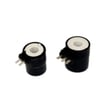
| No heat after it lights once | Gas valve coils | Dryer valve coil kit 279834 |
| Won’t start | Start circuit | Dryer push-to-start switch WP3977456 |
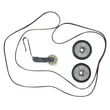
| Squealing or drum not turning | Drum drive | Dryer drum belt 341241 or dryer motor pulley WP8066184 |
| Door won’t latch | Door latch parts | Dryer door catch WP3389441 or strike 279570 |
On a gas dryer like the WGD5100SQ0, restricted airflow can cause long dry times and overheating, while ignition or gas valve issues cause no-heat complaints. Catching belt and support wear early also helps prevent a no-start or drum-damage situation.
For model-specific operating tips and safety steps, follow the procedures in the WGD5100SQ0 owner’s manual.
Last updated: March 2026
What is the capacity of the WGD5100SQ0?
The Whirlpool WGD5100SQ0 dryer has a typical capacity of about 6.5 cu. ft., which is considered a full-size 29-inch gas dryer and is designed to handle bulky loads like towels, sheets, and light blankets in fewer cycles. For the exact spec listed for your unit, check the owner's manual.
Capacity is usually listed in the specifications section of the Use and Care Guide.
- Look for “Capacity” or “Drum volume” in the specs table
- Match the model number WGD5100SQ0 on the rating label to your paperwork
- If your dryer is installed in a tight space, confirm the 29-inch platform and clearances in the installation guide
- Use the spec to avoid overloading, which can increase dry time and wear on the drum support system
Most 6.5 cu. ft. dryers are built for everyday family loads.
- Queen sheet set: typically fits in one load
- Bath towels: typically 6 to 10 towels depending on thickness
- Mixed load: a full washer load from a standard top-load washer usually fits
Using the right capacity helps clothes tumble freely for better airflow and faster drying. Overloading can contribute to long dry times and extra strain on wear parts like the belt and drum support components.
| Load type | Best practice in a 6.5 cu. ft. dryer | What happens if overloaded |
|---|---|---|
| Towels | Dry in medium-sized loads | Longer dry times, damp spots |
| Sheets | Add dryer balls or pause to untwist | Balling and poor airflow |
| Bulky items | Dry 1 item at a time when possible | Poor tumbling, uneven drying |
Last updated: February 2026
What is the life expectancy of a Whirlpool WGD5100SQ0 dryer?
A Whirlpool WGD5100SQ0 gas dryer typically lasts about 10 years. With good airflow (proper venting), routine lint cleaning, and timely replacement of wear parts like the drum belt and rollers, many dryers reach 12 to 15 years of service.
Most residential Whirlpool gas dryers fall into these ranges:
| Usage level | Typical life expectancy | What usually wears first |
|---|---|---|
| Light (1 to 3 loads/week) | 12 to 15 years | Belt, rollers, door catch |
| Average (4 to 7 loads/week) | About 10 to 12 years | Belt, idler/rollers, thermal protection |
| Heavy (multiple loads/day) | 7 to 10 years | Motor, drum support parts, gas ignition parts |
We see these maintenance habits make the biggest difference:
- Clean the lint screen every load; replace a damaged screen such as the dryer lint screen W10874409
- Keep venting correct; use 4-inch heavy metal venting and exhaust outdoors (this is a major safety and performance factor)
- Avoid crushed or kinked vent runs; long dry times accelerate wear on the motor and drum support
- Keep the dryer level so clothes tumble correctly (a sloped floor can affect operation)
- Replace common wear items early, such as the dryer drum belt 341241 or a roller support kit like the dryer repair kit 4392065
If your Whirlpool WGD5100SQ0 shows several of these at once, repairs can start stacking up:
- Drum squealing, thumping, or scraping (rollers, shafts, or support parts)
- Dryer runs but takes much longer to dry (vent restriction, blower wheel, or heat system issues)
- Intermittent heat on a gas dryer (often ignition components like the dryer valve coil kit 279834 or dryer radiant sensor WP338906)
- Frequent no-start issues (switch, timer, or motor)
- Burning smell or excessive cabinet heat (stop using and correct venting immediately)
Life expectancy is mostly about heat and airflow. Your WGD5100SQ0 is designed to be properly installed and vented for maximum drying efficiency; restricted venting increases drying time, raises operating temperatures, and shortens the life of parts like the drive motor and drum support system. For model-specific installation and venting requirements, follow the installation guide.
Last updated: February 2026








