Owner’s manual
 Error Codes


What is the life of an LG dryer?
An LG dryer like model DLEX5101W typically lasts 10 to 15 years. Keeping airflow strong (clean lint filter and venting) and fixing wear items early helps the motor, heater, and drum system run cooler and last longer.
What affects dryer lifespan most
- Vent restriction (crushed duct, long runs, clogged exterior hood)
- Lint buildup inside the cabinet or blower housing
- Overloading the drum (extra strain on belt, rollers, and motor)
- Running high heat constantly instead of sensor cycles
- Ignoring early noises (squeal, thump, rumble)
Maintenance that adds years
Use the care and cleaning schedule in the DLEX5101W manual.
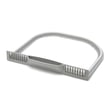
- Clean the lint screen before every load; replace a torn or warped screen such as the dryer lint screen by LG 5231EL1001C
- Check airflow at the outside vent hood; strong, steady flow matters more than cycle time
- Clean the vent duct at least yearly (more often with pets or heavy use)
- Level the dryer; vibration accelerates roller and seal wear
- If drying times increase, address airflow first before replacing heating parts
Common wear parts and what they usually mean
| Symptom | Most common cause | Example part for DLEX5101W |
|---|---|---|
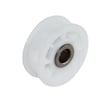
| Squealing or chirping | Idler pulley wear | Dryer idler pulley (model-specific part varies) |
| Thumping or rumbling | Drum support roller wear | Dryer drum support roller |
| Drum not turning | Belt broken or slipped | Dryer drum belt |
Why it matters
A dryer that breathes well dries faster, runs at safer temperatures, and puts less load on the drum belt, support rollers, and heating system. That combination is what most often separates a 10-year dryer from a 15-year dryer.
Last updated: January 2026
Why is my LG steam dryer not drying?
If your LG DLEX5101W steam dryer runs but clothes stay damp, the most common causes are restricted airflow (lint screen or venting), a moisture-sensing issue, or a heating problem. Start with airflow checks first, then move to sensor and heat-related parts using the DLEX5101W owner's manual.
Quick checks that fix most “not drying” complaints
- Clean the lint screen before every load; also wash it with warm water and a soft brush if you use dryer sheets (invisible film blocks airflow).
- Confirm strong airflow at the outside vent hood while the dryer runs.
- Check the vent path for kinks, crushed flex duct, long runs, or heavy lint buildup.
- Avoid overloading; tightly packed loads trap moisture and slow drying.
- Use a timed dry cycle as a test; if timed dry works better than sensor dry, focus on the moisture sensor.
Moisture sensor and lint screen items to inspect
On sensor cycles, residue on the sensor bars can make the dryer think clothes are dry and end early.
| Symptom | What it points to | What to do |
|---|---|---|
| Cycle ends early, clothes still damp | Moisture sensor not reading correctly | Clean sensor bars; inspect/replace dryer moisture sensor 6500EL3001A if damaged |
| Long dry times, cabinet feels hot | Airflow restriction | Clean lint screen and venting; inspect blower area |
| Lint screen doesn’t fit well or leaks lint | Lint screen or grille issue | Inspect/replace dryer lint screen by LG 5231EL1001C or grille if warped |
If airflow is good but there is still no heat
For an electric LG dryer like DLEX5101W, “tumbles but no heat” typically involves the heater circuit or temperature sensing.
- Check for a tripped double-pole breaker (dryer can run on 120V but not heat without full 240V).
- If power is correct, suspect the heater or safety thermostats.
- Common heat-related parts for this model include the LG dryer heating element 5301EL1001H, dryer high-limit thermostat 6931EL3003D, and dryer thermistor AGM30045804.
Why it matters
Poor drying is usually an airflow problem first; fixing venting and lint buildup improves drying performance, reduces overheating, and helps protect components like the heating element and thermostats.
For code-related symptoms (for example, sensor or temperature errors), use the LG steam dryer error codes guide to match the display code to the most likely cause.
Last updated: January 2026
How do you reset the flow sensor on a LG dryer?
On an LG DLEX5101W dryer, the Flow Sense (airflow) warning resets after you correct the airflow restriction and power-cycle the dryer. Clean the lint filter and venting first, then unplug the dryer for 5 minutes and restore power; if airflow is normal, the warning clears.
Reset steps (in order)
- Turn the dryer off and let the drum stop completely.
- Remove and clean the lint screen; wash off any fabric softener film, then dry it fully.
- Check the lint screen opening and blower inlet area for lint buildup.
- Inspect the entire vent run to the outside hood; remove kinks, crushed flex duct, and lint clogs.
- Unplug the dryer (or switch off the breaker) for 5 minutes.
- Restore power and run a timed dry cycle for 5 to 10 minutes to confirm strong airflow.
What Flow Sense is really telling you
Flow Sense is not a button-style “sensor reset”; it is an airflow restriction indicator. If the vent is still restricted, the warning returns even after unplugging.
Common causes of repeat Flow Sense warnings
| Cause | What you will notice | What to do |
|---|---|---|
| Lint screen coated | Longer dry times | Wash and dry the screen, then reinstall |
| Vent duct restricted | Weak airflow at outside hood | Clean/shorten vent, replace crushed duct |
| Blower area packed with lint | Rumbling, poor airflow | Clean internal lint buildup (service access) |
| Overheating from poor airflow | Dryer shuts off early | Fix venting; check thermostats if needed |
When a part is likely involved
If the venting is clear and airflow is strong but the warning persists, a temperature or airflow-related component can be contributing. On this model, common airflow-heat protection parts include the dryer blower thermostat 6931EL3002M and the dryer high-limit thermostat 6931EL3003D.
Why it matters
Restricted airflow makes the DLEX5101W dry slower, run hotter, and cycle off more often. Fixing venting first protects the heating system and helps prevent repeat shutdowns and error indications.
For model-specific operating details and venting requirements, follow the DLEX5101W manual.
Last updated: January 2026
What is the most common problem with LG dryers?
For LG dryers like model DLEX5101W, the most common problem is restricted airflow from lint buildup in the lint screen or venting; it causes long dry times, overheating, and sometimes automatic shutoff or airflow-related error codes.
What you’ll notice first
- Clothes take much longer than normal to dry
- Dryer feels hotter than usual, or cycles end early
- Burning smell or excessive heat at the cabinet
- Weak airflow at the outside vent hood
- Lint collecting around the door or lint screen area
Quick checks that fix the majority of “LG dryer not drying” complaints
- Clean the lint screen every load; replace it if it’s torn or warped (see dryer lint screen by LG 5231EL1001C).
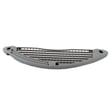
- Inspect the lint screen grille and housing for packed lint (see dryer lint screen grille 3550EL1005C).
- Check the vent hose for kinks, crushing, or heavy lint buildup.
- Confirm the outside vent hood opens fully while the dryer runs.
- Run a timed dry cycle and compare airflow at the vent to what’s described in the DLEX5101W owner’s manual.
If airflow is good but drying is still poor
Restricted airflow is the top issue, but these parts commonly affect heat and cycle performance on LG dryers:
| Symptom | Common cause | Example part for DLEX5101W |
|---|---|---|
| No heat or weak heat | Failed heater or temperature control | LG dryer heating element 5301EL1001H, dryer thermistor AGM30045804 |
| Overheats or shuts off | Safety thermostat opening | Dryer high-limit thermostat 6931EL3003D |
| Auto cycles end too soon or too late | Moisture sensing issue | Dryer moisture sensor 6500EL3001A |
Why it matters
Airflow problems make an LG dryer work harder and run hotter, which increases drying time and can trigger safety shutoffs. Keeping the lint path and vent clear protects key components like the heating element, thermostats, and blower system.
Last updated: January 2026