 Owner’s manual
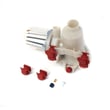



How to know if a Maytag drain pump is bad?
A bad drain pump on a Maytag MHWE300VW13 washer usually shows up as standing water in the tub, a loud humming or grinding during drain, or repeated drain errors. If the washer is getting power to the pump but it will not move water, the pump has failed.
Quick symptoms to look for
- Washer will not drain or drains very slowly
- You hear the pump hum but little or no water leaves the tub
- Grinding, rattling, or squealing noises during the drain portion of the cycle
- Water backs up into the tub after it briefly drains
- The washer stops mid-cycle when it should be draining
Simple checks before you replace the pump
- Unplug the washer and confirm the tub is not overfilled.
- Check the drain hose for kinks, clogs, or a crushed section.
- Look for a blockage in the tub-to-pump path; a sock, coin, or lint can restrict flow.
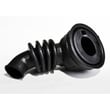
- If you can safely access it, inspect the washer tub-to-pump hose WPW10467168 for obstructions or collapse.
- Review the diagnostic and error-code steps in the MHWE300VW13 owner's manual to confirm the washer is actually calling for drain.
Electrical test (what it tells you)
If the washer enters a drain step and you measure about 120 VAC at the pump terminals, the control is commanding the pump on. When correct voltage is present but the pump does not run or cannot move water, that points to a failed pump or a jammed pump impeller.
| Test result during drain | What it usually means | What to do next |
|---|---|---|
| ~120 VAC present at pump | Pump should be running | Check for jams; replace pump if it will not run or move water |
| No voltage at pump | Drain not being commanded or power path issue | Check door lock, wiring, and control diagnostics in the manual |
Why it matters
A weak or failed drain pump can leave water in the tub, cause cycle interruptions, and lead to odors or leaks. Catching it early helps prevent secondary issues like hose blow-offs or water damage.
Last updated: February 2026
What's the average lifespan of a Maytag washer?
Most Maytag washers average 10 to 13 years of service life in normal household use. For your Maytag MHWE300VW13 front-load washer, regular maintenance and avoiding chronic overloads are the biggest factors that keep key parts like the door boot, drain system, and suspension working longer.
Typical lifespan and what affects it
A washer’s lifespan is mostly driven by how hard it works and how well it is maintained.
- Loads per week: more cycles per week shortens life faster than calendar age
- Overloading: stresses the tub bearings, shocks, and suspension
- Detergent use: too much detergent can cause residue, odors, and leaks
- Water quality: hard water can increase buildup and wear
- Ventilation: leaving the door ajar helps prevent mold and boot deterioration
What usually fails first on front-load washers
On front-load designs like the MHWE300VW13, these issues commonly show up before the motor itself fails:
- Door seal leaks or mold on the door boot
- Door not locking or intermittent “won’t start” symptoms
- Excess vibration from worn suspension components
- Slow draining from pump or hose restrictions
Common wear parts for this model
| Symptom | Likely area | Example part on this model |
|---|---|---|
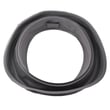
| Water leaking at door | Door seal and clamps | Washer door boot WP8182119 |
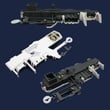
| Door won’t latch/lock | Door lock/strike/hinge | Washer door lock WP8183270 |
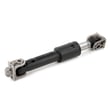
| Excess shaking/banging | Suspension and damping | Washer shock absorber W10822553 |
| Slow drain or standing water | Pump and drain path | Washer tub-to-pump hose WPW10467168 |
Maintenance that extends lifespan
We recommend these habits to help you reach (or beat) the 10 to 13 year average:
- Run a monthly cleaning cycle (or hot cycle) to reduce residue
- Use HE detergent and measure carefully
- Wipe the door boot dry and leave the door slightly open between loads
- Check pockets to prevent coins and debris from reaching the pump
- Level the washer to reduce vibration and suspension wear
Why it matters
A washer that is kept clean, level, and not overloaded puts less strain on high-cost components (outer tub, pump, control boards). That typically means fewer leaks, fewer drain problems, and a longer usable life.
For model-specific operating and care guidance, use the MHWE300VW13 owner's manual.
Last updated: February 2026
What is the most common problem with Maytag washer top loader?
For Maytag washers, the most common complaint is a no-drain or no-spin condition that leaves clothes wet at the end of the cycle. On your Maytag MHWE300VW13 (a front-load washer), the most frequent causes are a drain restriction, a failing drain pump, or a door lock that is not engaging; use the MHWE300VW13 owner's manual for the exact checks and error indications.
Quick checks we recommend first (works for most Maytag washers)
- Reduce and redistribute the load; heavy items can prevent a high-speed spin.
- Confirm the washer is stable on the floor; adjust the feet so it does not rock.
- Check the drain hose for kinks, crushing, or being pushed too far into the standpipe.
- Listen during drain: a steady hum with little water flow points to a clog or weak pump.
- If the door will not lock, the washer will not spin; verify the latch closes firmly.
Common symptoms on MHWE300VW13 and what they usually mean
| Symptom | Most likely cause | What to do next |
|---|---|---|
| Tub stays full of water; won’t spin | Drain blockage or failing pump | Check hose and tub-to-pump path; replace the pump 280187 if it runs but won’t move water |
| Stops mid-cycle; door won’t lock | Door lock failure | Inspect latch alignment; replace the washer door lock WP8183270 if it won’t consistently lock |
| Water leaking at the door opening | Torn or dirty door boot | Clean the sealing lip; replace the washer door boot WP8182119 if cracked or torn |
| Excessive shaking during spin | Worn shocks or overloaded drum | Reduce load size; replace the washer shock absorber W10822553 if bouncing persists |
Why it matters
Drain and spin problems can lead to long cycle times, odors from standing water, and repeated out-of-balance stops. Fixing the drain path, door lock, or vibration control parts restores proper high-speed spin and protects the motor control system.
Last updated: February 2026





