Error Codes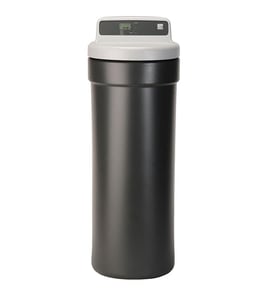



What is the average lifespan of a water softener?
Most water softeners last 10 to 15 years. For a Kenmore 62534371 bypass valve setup, lifespan depends mainly on water hardness, daily water use, and maintenance; keeping the system clean and preventing leaks helps you reach the full service life.
Typical lifespan ranges
| Water softener type | Typical lifespan | What usually ends it |
|---|---|---|
| Standard single-tank | 10 to 15 years | Valve wear, resin exhaustion, leaks |
| Higher-end or well-maintained systems | 15 to 20 years | Control/valve wear, resin decline |
| Poorly maintained or very hard water | 7 to 10 years | Salt bridging, fouled resin, corrosion |
What shortens or extends lifespan
- Water hardness and iron: harder water and iron load make the resin and valve work harder.
- Salt management: running out of salt or frequent salt bridging can reduce performance and strain the system.
- Cleaning and resin care: periodic cleaning (as appropriate for your water) helps prevent fouling.
- Leak prevention: small drips at fittings or the bypass can become bigger failures over time.
- Correct bypass operation: forcing a stiff bypass can damage seals.
Parts that commonly wear first (and why)
If you notice leaking, stiff operation, or difficulty isolating the softener, the bypass assembly is a common place to inspect.
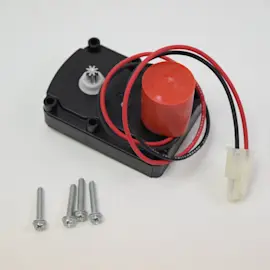
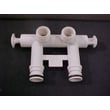
- Bypass valve 7129871: the main shutoff and routing point; internal seals can wear.
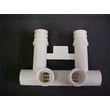
- Bypass body 7129863: the housing that supports the valve; can crack if stressed or overtightened.
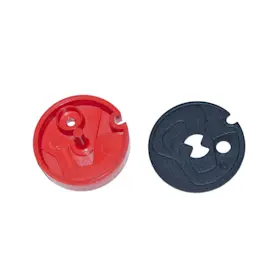
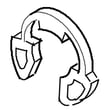
- Retainer 0502206: helps secure the assembly; a damaged clip can allow movement and leaks.
Why it matters
A softener near end-of-life often shows up as hard water symptoms, higher salt use, or recurring leaks. Catching wear early protects nearby plumbing and helps you decide whether a repair (like a bypass valve replacement) makes sense.
Last updated: January 2026
How do I tell what model water softener I have?
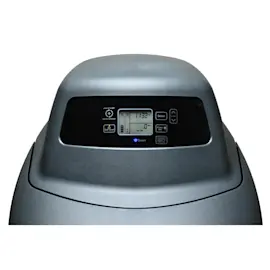
To identify your Kenmore water softener model, find the model number on the unit’s data label; for this parts list, the model is 62534371. The label is usually on the cabinet, near the control head, or on the back or side of the softener.
Where to look for the model number label
Check these common spots on Kenmore water softeners:
- Back of the cabinet (upper area)
- Side panel near the top edge
- Inside the salt tank lid area (around the rim)
- Behind or just below the control head (valve area)
- Near the plumbing connections and bypass valve
If the label is dirty or faded, wipe it gently and use a flashlight; taking a close-up photo often makes small print easier to read.
What the model number looks like
Kenmore model numbers are typically numbers only (often 8 digits), and they are different from part numbers.
| You might see | Example | What it means |
|---|---|---|
| Model number | 62534371 | Identifies the exact softener version for parts |
| Part number | 42-3437 | Identifies a specific replacement part |
| Part ID | 7129871 | Sears PartsDirect identifier for a part listing |
Why it matters
The model number controls parts compatibility. Even small design changes can affect the bypass valve, seals, and retainers, so matching the model number helps you get the correct Kenmore water treatment parts the first time.
If you are still not sure
Use these quick checks to confirm you are on the right parts track:
- Match the model number on the label to 62534371
- Compare your valve and plumbing layout to the parts you need
- If you are replacing the valve assembly, confirm whether you need the full valve or just the body
Common related parts for this model include the bypass valve 7129871, bypass body 7129863, and retainer 0502206.
Last updated: January 2026
What water softeners do plumbers recommend?
Plumbers typically recommend water softeners built around proven control valves and easy-to-service designs (often Fleck-style metered valves), plus established service networks (for example, Culligan). For Kenmore systems like model 62534371, correct sizing and a leak-free bypass setup matter as much as the brand.
What plumbers look for (the real “recommendation” criteria)
- Correct capacity for your hardness and household size (prevents frequent regeneration)
- Metered (demand-initiated) regeneration to save salt and water
- Standard, serviceable valve platform with readily available seals and parts
- Strong local support (installer familiarity and parts availability)
- Simple, reliable bypass and plumbing connections to isolate the softener for service
Common brands and valve platforms plumbers often suggest
These are the names customers most often hear from plumbers and water-treatment pros:
| Category | What it usually means | Why it matters |
|---|---|---|
| Fleck-style metered systems | Widely used control valve platform | Easy service, common parts, familiar to many plumbers |
| Dealer-supported brands (example: Culligan) | Installed and serviced through a local dealer | Ongoing maintenance support and testing |
| Big-box consumer brands | DIY-friendly purchase | Varies by model; service and parts access can be the deciding factor |
How this relates to Kenmore model 62534371
If you already own the Kenmore 62534371, the best “recommended” path is keeping it operating correctly: verify the bypass is sealing, the unit is not stuck in bypass, and the plumbing connections are secure. If you suspect bypass leakage or a bypass that will not fully open/close, replacing the bypass components is a common fix.
- For a complete valve replacement, use the bypass valve 7129871.
- If the valve body is damaged or worn, use the bypass body 7129863.
- If the bypass will not stay locked in position, check the retainer 0502206.
Why it matters
A perfectly “recommended” softener still performs poorly if it is undersized, programmed incorrectly, or partially bypassing hard water. Getting hardness tested, sizing correctly, and maintaining the bypass valve prevents most performance complaints.
Last updated: January 2026