Owner’s manual
 Error Codes


What is the capacity of the Whirlpool ghw9400pl0?
The Whirlpool GHW9400PL0 washer has a 3.8 cu. ft. capacity, which is considered a large-capacity front-load washer. For cycle-specific load guidance and maximum fill recommendations, use the GHW9400PL0 owner's manual.
What “3.8 cu. ft.” means for everyday loads
A 3.8 cu. ft. drum typically handles:
- A full mixed load of everyday clothing
- A bulky item (like a comforter) depending on thickness and fabric type
- Larger loads with better water and detergent efficiency than many older top-load designs
How to load for best cleaning (and fewer problems)
Overloading is a common cause of poor cleaning, vibration, and drain issues. We recommend:
- Load loosely; do not pack items down
- Keep the door boot area clear so items do not get pinched
- Balance heavy items (towels, jeans) with lighter items
- Use HE detergent and measure carefully to reduce oversudsing
- Leave some space at the top of the drum so items can tumble
Quick capacity reference
| Capacity | Typical description | Best for |
|---|---|---|
| 2.0 to 2.9 cu. ft. | Compact | Small households, tight spaces |
| 3.0 to 3.9 cu. ft. | Full-size | Most families, weekly laundry |
| 4.0+ cu. ft. | Extra-large | Large families, frequent bulky loads |
Why it matters
Capacity affects how well clothes tumble (cleaning performance), how much detergent you should use, and how likely the washer is to go out of balance during spin. Correct loading helps protect key components like the door boot and drain system.
Last updated: January 2026
What is the most common problem with whirlpool washers?
The most common Whirlpool washer problems are not draining, not spinning, and leaking, and they often trace back to a clogged drain path, a failing door lock, or a worn seal. For Whirlpool model GHW9400PL0, we start with drain and door-lock checks because they cause the most “won’t finish” complaints.
Most common issues (and what they usually mean)
- Washer won’t drain: drain pump blockage, kinked hose, or a failing pump.
- Washer won’t spin: door not locking, out-of-balance load, or drive system issue.
- Water leaks: door boot tear, loose clamp, or hose connection leak.
- Won’t fill or fills slowly: inlet screens clogged or inlet valve problem.
- Loud banging or vibration: suspension issue or overloaded drum.
- Stops mid-cycle or shows an error: door lock, drain, or control-related fault.
Quick checks we recommend first (GHW9400PL0)
- Unplug the washer for safety.
- Check the drain hose for kinks and make sure the standpipe is not backing up.
- Confirm the door closes firmly and the strike is not loose.
- Run a rinse and drain and listen: a loud hum with no draining points to a restriction or pump issue.
- If an error code appears, match it to the troubleshooting steps in the GHW9400PL0 owner's manual.
Common symptom-to-part mapping
| Symptom | Most likely area | Example model-matched part |
|---|---|---|
| Won’t drain / water left in tub | Drain pump or drain path | Water pump 280187 |
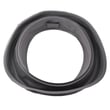
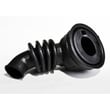
| Leaks at the door | Door seal area | Washer door boot WP8182119 |
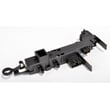
| Won’t start or won’t spin (door won’t lock) | Door latch system | Door lock WP8182634 |
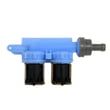
| Won’t fill / fill errors | Fill valve or flow sensing | Washer water inlet valve WP8181694 |
Why it matters
Drain and door-lock problems can make the washer stop mid-cycle and leave water in the tub, which increases odor and can lead to leaks. Catching a restriction early also helps protect the pump and control from repeated strain.
Last updated: January 2026
What is the lifespan of a whirlpool washer?
Whirlpool washers typically last 14 to 18 years with normal household use and basic maintenance. For your Whirlpool GHW9400PL0 washer, following the care, cleaning, and loading guidance in the GHW9400PL0 owner's manual helps you reach the longest service life.
What affects washer life the most
- Load size and balance: frequent overloading or consistently unbalanced loads shortens bearing, suspension, and drive life.
- Detergent use: too much detergent can cause residue buildup and odors, increasing wear on seals and hoses.
- Water quality: hard water can accelerate scale buildup on internal components.
- Drain performance: slow draining strains the pump and can leave standing water.
- Door seal care (front-load): keeping the boot clean and dry reduces mold and premature seal failure.
Maintenance that extends lifespan
- Run a monthly cleaning cycle (or hot wash) and wipe the door area dry after use.
- Check pockets and use a mesh bag for small items to reduce drain clogs.
- Keep the washer level to reduce vibration and suspension wear.
- Inspect fill hoses periodically and replace if bulging, cracking, or leaking.
- If you notice slow draining, address it early; a failing pump often shows up as intermittent draining.
Common “end-of-life” symptoms and likely areas
| Symptom | What it often points to | Example model-matched part |
|---|---|---|
| Won’t drain or drains slowly | Drain pump or drain path restriction | Water pump 280187 |
| Leaks at the door | Door seal/boot wear or debris | Washer door boot WP8182119 |
| Won’t fill or fills slowly | Inlet valve screens clogged or valve failing | Washer water inlet valve WP8181694 |
| Door won’t lock/start | Door lock or strike issue | Door lock WP8182634 |
Why it matters
Knowing the typical 14 to 18 year lifespan helps you decide whether to invest in a repair (like a pump, door boot, or inlet valve) versus planning for replacement, especially if multiple symptoms appear close together.
Last updated: January 2026