Owner’s manual
 View engine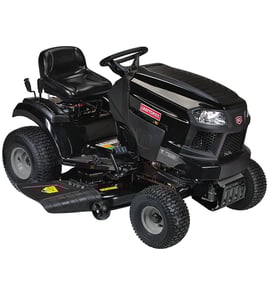


How much does it cost to replace a riding lawn mower engine?
Replacing the engine on a Craftsman riding lawn tractor like model 917287360 typically runs $500 to $2,500 installed (engine plus labor). The exact total depends on the correct engine spec, shop labor rate, and whether related items like belts, wiring, or fuel parts are replaced at the same time. Use the 917287360 owner's manual for safety steps and troubleshooting before you commit to an engine swap.
What makes the price go up or down
- Engine type and specs: horsepower, crankshaft diameter/length, and mounting pattern
- New vs. rebuilt vs. used: new costs more, used can add risk and extra labor
- Labor time: most riding-tractor engine swaps are 4 to 8 hours
- Add-on parts: belts, pulleys, fuel line/filter, battery cables, clamps, oil
- Shop fees: pickup/delivery, diagnostics, disposal, and minimum labor charges
Before replacing the engine, rule out common no-start causes
Our goal is to avoid paying for an engine when the problem is in the starting, safety, or fuel system. The troubleshooting chart in the manual points to checks like battery condition, wiring, fuses, and starter circuit components.
- Charge and load-test the battery; clean and tighten terminals
- Verify the brake pedal is fully depressed and the attachment clutch is disengaged
- Inspect the fuse and wiring connections for looseness or damage
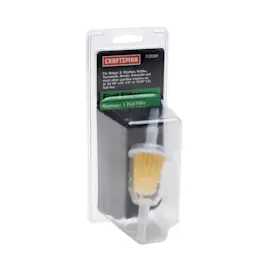
- Confirm fresh fuel and a clean fuel filter
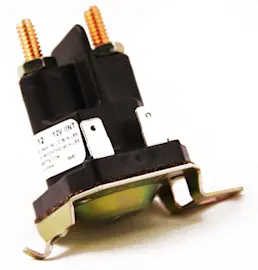
- If you hear a click but no crank, test the starter circuit; a worn solenoid is one possible failure point
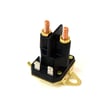
If testing shows the solenoid is not passing power to the starter, the model uses a replaceable solenoid such as the lawn tractor starter solenoid 582042802.
Typical cost snapshot
| Cost item | Typical range | What it covers |
|---|---|---|
| Engine (part only) | $300 to $1,800 | Correct spec replacement engine assembly |
| Labor | $200 to $1,200 | 4 to 8 hours at local shop rates |
| Fluids and small parts | $25 to $250 | Oil, filter, clamps, belts as needed |
Why it matters
An engine replacement is one of the highest-cost repairs on a riding mower. A short diagnostic check of the battery, wiring, solenoid, starter, and fuel delivery prevents unnecessary replacement and gets the tractor back to mowing faster.
Last updated: February 2026
What engine does Craftsman riding mower use?
The Craftsman riding mower model 917287360 uses a low-emission gasoline engine (as noted in the 917287360 owner's manual). For the exact engine make, model, and spec numbers, use the engine identification label and match it to the manual’s engine information and parts listings.
How to identify the exact engine on model 917287360
Use these quick checks to confirm what engine is installed on your tractor:
- Look for the engine model/type/code label on the engine shroud, valve cover, or blower housing
- Write down all numbers exactly (model, type, code, and serial)
- Compare those numbers to the engine section in the 917287360 owner's manual
- If the tractor has been serviced before, confirm the engine is original (engine swaps happen)
- Use the engine ID when ordering tune-up parts like spark plugs, air filters, and fuel filters
Common engine types you may see on this tractor
The manual confirms the tractor is a 917.28736 series lawn tractor with a low-emission engine; the exact brand can vary by production run. Here is what the engine label typically tells you:
| What you need | Where to find it | Why it matters |
|---|---|---|
| Engine model/type/code | Sticker or stamped tag on engine | Identifies the correct parts and specs |
| Horsepower rating | Engine decal or manual specs section | Helps match belts, blades, and performance expectations |
| Emissions family | Engine label | Confirms correct carburetor and fuel system setup |
Why it matters
Ordering the right maintenance and repair parts depends on the engine’s ID numbers, not just the tractor model. For example, a no-start or clicking issue can point to electrical parts like the lawn tractor starter solenoid 582042802, but the correct ignition and fuel parts still depend on the engine identification.
Related troubleshooting help
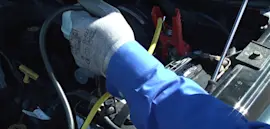
If the engine clicks but will not crank, follow the diagnostic steps in riding lawn mower engine clicks but doesnt turn over video.
Last updated: February 2026
What is the average lifespan of 917287360?
A Craftsman front-engine lawn tractor like model 917287360 typically lasts 10 to 15 years with normal residential use and on-time maintenance. The biggest lifespan drivers are engine cooling, clean filtration, correct oil level, and keeping belts and pulleys in good condition.
What determines lifespan most
- Hours per season: 25 to 50 hours per year is light use; 100+ hours per year is heavy use.
- Maintenance intervals: oil, filters, and spark plug service on schedule.
- Operating conditions: dust, hills, wet grass, and extreme heat shorten life.
- Deck and drive wear: belts, idlers, and mandrel components take constant load.
- Storage: dry storage and clean fuel system reduce corrosion and starting issues.
Maintenance schedule that protects service life
The owner's manual for 917287360 calls out key intervals that directly affect longevity.
| Item | Interval (typical per manual guidance) | Why it matters |
|---|---|---|
| Air filter (paper cartridge) | Every 25 hours or 2 months; replace yearly or 100 hours | Prevents power loss and engine wear from dirt |
| Spark plug | Each mowing season or 100 hours | Improves starting and combustion efficiency |
| In-line fuel filter | Once each season | Prevents fuel starvation and carburetor issues |
| Cooling fins and shrouds | Every 100 hours (more in dust) | Prevents overheating damage |
Quick signs your tractor is nearing end-of-life
- Hard starting even with fresh fuel and a good battery
- Loss of power under load, frequent overheating, or excessive smoke
- Persistent drive problems (slipping, weak pull) after belt and idler checks
- Deck vibration or uneven cut after blade and mandrel inspection
Why it matters
Most “short lifespan” complaints come from overheating and dirt ingestion. Keeping the air filter clean, cooling system clear, and seasonal tune-up items current preserves compression, reduces wear, and helps the transaxle and deck components last longer.
Last updated: March 2026