



Why are the tines on my tiller not turning?
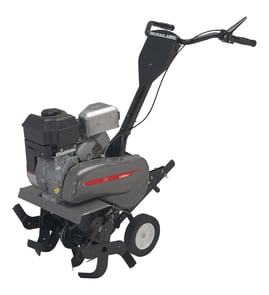
On your Craftsman 917298141 front-tine tiller, tines usually stop turning when the drive system is not transferring power (belt, sheave, key, or clutch cable issue) or when the tine shaft is jammed. Start with a quick jam check, then inspect the belt and drive hardware.
- Shut the engine off and remove the spark plug wire before touching the tines.
- Clear packed soil, string, roots, or wire from the tines and tine shaft area.
- With the tiller off, try rotating the tines by hand; they should turn with steady resistance, not lock solid.
- Confirm the tine engagement control is moving fully when you squeeze the handle.
- Look for obvious belt debris under the belt cover (rubber dust, shredded belt strands).
| What you notice | Likely cause | What to do next |
|---|---|---|
| Engine runs, but nothing happens when engaging tines | Belt slipping, broken, or off the pulleys | Inspect belt routing and tension; replace belt if glazed, cracked, or stretched |
| You hear squealing or smell burning rubber | Belt slipping or sheave issue | Check pulley alignment and condition; inspect the tiller engine sheave 592642101 |
| Engagement lever feels loose or has lots of slack | Clutch cable out of adjustment or damaged | Inspect cable condition and linkage travel; replace if frayed or kinked |
| Tines bind or stop abruptly | Debris jam or bent tine/shaft | Remove obstruction; check for bent components and free rotation |
| Tines turn intermittently | Worn key or loose hardware | Check the key 532002649 and fasteners for looseness |
When the belt or sheave slips, the tiller can feel like it has “no drive” even though the engine is fine. Fixing the root cause prevents repeated belt damage and helps the tines maintain consistent digging power.
- Tiller engine sheave 592642101 (pulley that helps drive the belt)
- Key 532002649 (helps lock rotating parts together)
- Washers and nuts can also loosen over time; recheck hardware after repairs
Last updated: February 2026
What is a front tine tiller for?
A front-tine tiller (like the Craftsman 917298141 5-hp tiller) is designed to loosen and mix soil for small-to-medium gardens, especially when you are preparing seed beds, working compost into the topsoil, or cultivating between rows. It is best for soil that is already somewhat workable.
- Breaking up and loosening pre-worked soil in spring
- Mixing in compost, fertilizer, or soil amendments
- Preparing seed beds for planting
- Light cultivation and weed control between garden rows
- Refreshing garden areas after harvest
Front-tine tillers pull themselves forward with the tines, so they are easiest to control in lighter, previously worked soil.
| Task | Front-tine tiller performance | Tip |
|---|---|---|
| Seed bed prep | Excellent | Make 2 to 3 shallow passes instead of 1 deep pass |
| Mixing compost | Very good | Till in layers to avoid bogging down |
| Weeding between rows | Good | Use a shallow depth to avoid damaging roots |
| Hard, packed ground | Limited | Water the area first and break it up in multiple passes |
- Start shallow; increase depth gradually over multiple passes.
- Remove rocks, wire, and thick roots before tilling.
- Till when soil is slightly moist, not muddy or powder-dry.
- If the tiller hops or digs in, reduce depth and slow your pace.
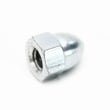
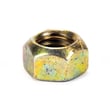
- Keep hardware tight; vibration can loosen fasteners over time (a replacement like the gripco nut 596322601 is commonly used where a locking nut is needed).
Using a front-tine tiller for the right jobs helps you get a smoother seed bed, better soil mixing, and less operator fatigue. It also reduces strain on wear items like the drive system and tine hardware.
Last updated: February 2026
What are the common problems with lawn tillers?
Common problems with the Craftsman 917298141 front-tine tiller include hard starting or no-start, poor power under load, tines not turning, and excessive vibration. Most issues trace back to fuel quality, ignition, belt and pulley drive wear, or loose hardware on the handle and tine assemblies.
- Won’t start or starts then dies: stale fuel, clogged fuel filter, dirty carburetor, fouled spark plug
- Runs rough or lacks power: restricted fuel flow, dirty air filter, incorrect choke setting, spark plug wear
- Tines won’t turn or slip: worn/loose drive belt, damaged pulley/sheave, clutch cable out of adjustment
- Excessive vibration or rattling: loose fasteners, missing washers, worn key in a rotating joint
- Controls feel loose: worn pins/retainers, stretched springs, loose handle hardware
- Fuel: drain old gas and refill with fresh fuel; check for water or debris in the tank.
- Spark: inspect and replace the spark plug if it’s carbon-fouled or worn.
- Drive system: look for belt glazing/cracks and check pulley alignment; a worn sheave can cause slipping.
- Hardware tightness: tighten handle and tine-area fasteners; replace missing washers/keys.
If you find worn or missing hardware, these model-matched parts are commonly involved in vibration, looseness, and drive issues:
| Problem you see | What to inspect | Example part on this model |
|---|---|---|
| Tines slip or don’t engage | Engine sheave/pulley wear, belt condition, alignment | Tiller engine sheave 592642101 |
| Rattling, looseness at joints | Missing/loose nuts and washers | Gripco nut 596322601, washer 596040101 |
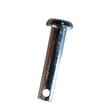
| Handle/control linkage feels sloppy | Pins/retainers/springs | Tiller clevis pin 532443676, spring retainer 532003146 |
A tiller that runs lean from restricted fuel flow can surge and stall, while a slipping drive system can overheat belts and wear pulleys faster. Catching loose hardware early also helps prevent vibration-related damage to the handle, tine shaft, and fasteners.
Last updated: February 2026
Are Craftsman rear tine tillers any good?
Craftsman rear tine tillers are a good choice when you need more pulling power and easier tracking in larger gardens or tougher soil. If you are maintaining a Craftsman tiller like model 917298141 (a front-tine tiller), keeping the drive and control hardware in good shape makes the biggest difference in real-world performance.
Rear tine and front tine tillers are built for different jobs; “good” depends on your soil and how much area you till.
- Rear tine: better for larger plots, compacted soil, and straighter passes
- Front tine: better for smaller gardens and tighter spaces
- Rear tine units are typically heavier and more stable
- Front tine units are typically lighter and more maneuverable
- Both types perform best when the drive and controls are properly adjusted
| Feature | Rear tine tiller | Front tine tiller (like 917298141) |
|---|---|---|
| Best use | Larger areas, tougher soil | Small to medium gardens |
| Handling | Tracks straighter | More hands-on steering |
| Weight | Heavier | Lighter |
Most long-term satisfaction comes from routine upkeep and replacing worn linkage and drive hardware.
- Keep fasteners tight so handles and linkages do not shift (see gripco nut 596322601)
- Replace missing pins so adjustments stay locked in (see tiller clevis pin 532443676)
- Check for a worn drive sheave if you notice slipping or weak tine/drive engagement (see tiller engine sheave 592642101)
- Inspect for a damaged key if a shaft spins but the driven part does not (see key 532002649)
- Make sure the clutch/control cable moves freely and fully engages (see cbl/cltch t 583731701)
A rear tine tiller’s advantage is consistent traction and control; a front tine tiller’s advantage is agility. In both cases, worn sheaves, keys, pins, and cable/clutch parts reduce performance fast.
Last updated: February 2026