



How to find part number on GE dryer?
On your GE DVL223EB1WW electric dryer, the model and serial tag is typically on the door opening (inside the door or on the door frame). Once you have the model number, you can match the correct replacement part by name and ID from the parts list for this dryer.
Where to look on the dryer
Check these common GE dryer tag locations first:
- Inside the dryer door opening on the front panel
- On the door frame (the cabinet opening the door closes against)
- Along the front rim of the drum opening (near the lint screen area on some builds)
- On the back panel (less common, but worth a quick check)
What “part number” means (and what to write down)
GE dryers often have multiple identifiers. For accurate ordering, we recommend recording:
- Model number: DVL223EB1WW
- Serial number: used to confirm production run and compatible revisions
- Part ID vs. manufacturer part number: Sears PartsDirect listings may show both
Here is a quick example from this model’s parts list:
| What you see | Example | What it’s used for |
|---|---|---|
| Part name | Selector knob | Identifies the function |
| Part ID | WH01X10060 | Helps match the exact listing |
| Manufacturer part number | WE01X10142 | Common GE reference number |
Tips to avoid ordering the wrong part
- Match by model number first, then confirm the part name and part ID
- If multiple similar parts appear (knobs, thermostats, switches), compare the listing details carefully
- For control parts, confirm the symptom before ordering (for example, a no-start issue can be a switch, door issue, or power problem)
If you already know the part you need for this dryer, a common example is the selector knob WH01X10060.
Why it matters
GE can use different versions of similar-looking parts across production runs. Using the model and serial information from the tag helps ensure the replacement part fits and functions correctly on your DVL223EB1WW.
Last updated: February 2026
What are the parts of the dryer?
A GE electric dryer like model DVL223EB1WW is built around an airflow system (blower and venting), a heating system (heater and thermostats), a drive system (motor, belt, drum supports), and controls (switches and timer/selector). Knowing these main assemblies helps you pinpoint noise, no-heat, or no-start problems faster.
Main dryer assemblies (what they do)
- Airflow and lint handling: pulls air through the drum and pushes moist air out the exhaust duct
- Heating system (electric): creates heat and regulates temperature for safe drying
- Drum and support system: keeps the drum centered and gliding smoothly while it tumbles
- Drive system: turns the drum using the motor and belt
- Controls and safety switches: start/stop functions and door safety interlock
Common parts you may replace on DVL223EB1WW
These are examples of parts listed for this model that map to the assemblies above:
- Controls: Selector knob WH01X10060
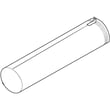
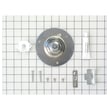
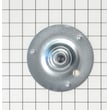
- Drum support: Dryer rear bearing kit WE25X10001, dryer drum ball hitch WE13X10011
- Drum glide surface: Dryer drum front glide WE03X10007
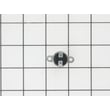
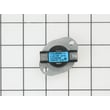
- Temperature control and safety: Dryer operating thermostat WE04X10028, dryer thermal limiter WE04X10094
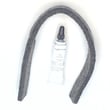
- Drive: Dryer belt WE12X10009
- Starting circuit: Dryer start switch WE4X881
Quick symptom-to-part map
| Symptom | Most likely assembly | Example part on this model |
|---|---|---|
| Dryer runs but no heat | Heating control/safety | Dryer operating thermostat, thermal limiter |
| Loud squeal or scraping | Drum support/glides | Rear bearing kit, front glide |
| Drum will not tumble | Drive system | Dryer belt |
| Won’t start (but has power) | Controls/switches | Start switch, selector knob |
Why it matters
Dryer problems usually trace back to one system. For example, long dry times often point to airflow restrictions, while squealing points to drum support wear. Identifying the system first prevents replacing the wrong part.
Helpful DIY reference
For a clear breakdown of assemblies and how they work together, use our guide: what are the main parts of a clothes dryer.
Last updated: February 2026
How to remove front panel of GE front load dryer?
On the GE DVL223EB1WW electric dryer, we remove the front panel by unplugging power, lifting the top, removing the front-panel mounting screws, then disconnecting any door-switch wiring before lifting the panel off the lower retaining tabs.
Safety first
- Unplug the dryer (or switch off the breaker) before opening any panels.
- Wear cut-resistant gloves; cabinet edges can be sharp.
- If the dryer was running, let the heater area cool.
- Keep screws organized by location for easier reassembly.
Steps to remove the front panel
- Disconnect power.
- Remove the lint screen (if it’s in the top opening) and any screws that may be under the lint screen housing (common on many GE designs).
- Lift the top panel:
- Release the spring clips near the front seam (a putty knife helps), then raise the top.
- Remove front panel screws:
- Look for screws at the upper inside corners securing the front panel to the cabinet sides.
- Support the front panel and disconnect wiring:
- Unplug the door switch connector (and any harness plugs attached to the front panel).
- Lift the front panel up and off:
- Tilt the panel forward, then lift it to clear the lower tabs/clips.
What to check while the front is off (why it matters)
A loose front panel, scraping, or rumbling often points to drum support wear. Catching it early helps prevent drum damage and belt wear.
- Inspect the drum support surfaces for wear grooves.
- Check for broken plastic glides or missing pieces.
- Look for lint buildup around the motor and blower area.
Common noise and wear items (quick guide)
| Symptom | Most common area | Part to inspect first |
|---|---|---|
| Squealing or scraping at the front | Drum front support | Dryer drum front glide WE03X10007 |
| Thumping or rumble from rear | Rear drum support | Dryer rear bearing kit WE25X10001 |
| Drum not turning smoothly | Belt and drum supports | Dryer belt WE12X10009 |
Reassembly tips
- Reconnect the door switch plug before fully seating the panel.
- Make sure the front panel sits fully on the lower tabs before tightening screws.
- If the control knob was removed during access, press it back on firmly; replace a cracked knob with selector knob WH01X10060.
Last updated: February 2026
Why is my GE dryer drying but not spinning?
If your GE DVL223EB1WW electric dryer heats but the drum will not turn, the most common cause is a broken or slipped drive belt. Next, check for a seized drum support (rear bearing or front glides) or a failed start circuit component that lets the heater run but prevents the motor from driving the drum.
What to check first (fast, high-success checks)
- Unplug the dryer before opening any panels.
- Open the door and try to rotate the drum by hand.
- Listen when you press Start: a steady hum with no drum movement often points to a jammed drum support or belt issue.
- Check for a burning rubber smell (often belt related).
- Confirm the door fully closes and latches; some spin issues start with a door switch or latch problem.
Likely causes on model DVL223EB1WW
| Symptom | Most likely cause | What you typically find |
|---|---|---|
| Heats, timer runs, drum does not move | Broken/slipped belt | Drum turns freely by hand; motor may run but drum stays still |
| Drum hard to turn by hand | Worn or seized drum supports | Grinding, scraping, or heavy resistance |
| Loud squeal or thump before it stopped | Drum support wear | Noise worsens over time, then drum stops |
Parts that commonly fix “no spin”
- Dryer belt WE12X10009
- Dryer rear bearing kit WE25X10001
- Dryer drum front glide WE03X10007
- Dryer drum ball hitch WE13X10011
Why it matters
A dryer that heats but does not spin can overheat clothing, stress the motor, and trip safety devices. Fixing the belt or drum support early prevents bigger repairs and restores normal airflow and drying performance.
Helpful DIY guidance
We recommend following a step-by-step diagnostic flow for a no-spin condition so you do not replace parts unnecessarily: electric dryer wont start troubleshooting video.
Last updated: February 2026