Owner’s manual
 Error Codes


Where is the water filter on my GE side by side refrigerator?
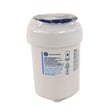
On the GE GSL25JGCBLS side-by-side refrigerator, the water filter cartridge is located inside the fresh food (refrigerator) compartment in the back, upper-right corner. You access it from inside the refrigerator, not from the grille at the bottom.
- Open the refrigerator (fresh food) door.
- Look to the back wall, upper-right area.
- The filter housing sits near the top corner.
- If shelves or bins block your view, slide them out for access.
- Use the steps shown in the GSL25JGCBLS owner's manual for the exact removal and install method.
Replacing the filter correctly helps prevent slow dispenser flow and keeps the icemaker filling normally.
- Pre-fill the replacement cartridge with tap water for better initial flow.
- Install the cartridge fully into the holder (follow the manual’s turn/lock direction).
- Dispense water for a few minutes to clear air and carbon fines.
- Discard the first few batches of ice after a filter change.
- Replace the filter sooner if water flow drops.
Most GE side-by-side models like GSL25JGCBLS use a 6-month replacement interval, or sooner if flow decreases.
| Situation | What it usually means | What we recommend |
|---|---|---|
| Water tastes or smells off | Filter media is spent | Replace the filter |
| Water flow slows | Filter is clogged or nearing capacity | Replace the filter |
| It has been ~6 months | Normal maintenance interval | Replace the filter |
A clogged water filter can reduce water flow to the dispenser and icemaker, which can lead to smaller ice cubes and slower filling. Keeping the filter current also helps protect the refrigerator’s water valve and tubing from sediment.
Last updated: January 2026
Are GE side by side refrigerators good?
Yes. GE side-by-side refrigerators like model GSL25JGCBLS are a solid choice for everyday use because they typically offer dependable cooling, easy access to fresh and frozen foods, and practical features like adjustable shelving and an ice and water dispenser. For model-specific use and care details, follow the GSL25JGCBLS owner's manual.
A good side-by-side refrigerator balances consistent temperatures, usable storage, and low-maintenance operation.
Common strengths
- Spacious, easy-to-organize layout with adjustable shelves and door bins
- Convenient ice maker and through-the-door water dispenser
- Bright interior lighting that helps you see and sort food
- Straightforward controls and day-to-day operation
Common tradeoffs
- Freezer section can feel narrower than a bottom-freezer design
- Ice makers can sound louder during harvest cycles (normal operating sounds)
- If doors are opened often, temperature recovery can take longer
Use this list to decide whether your GE refrigerator is performing like it should.
- Fresh food holds around 37°F and freezer holds around 0°F (use a thermometer)
- Doors seal tightly; no gaps, moisture, or heavy frost buildup
- Ice and water dispense with steady flow (after filter changes and purging air)
- Fans run smoothly without grinding or rattling
- Food stays fresh without freezing in the refrigerator section
| Area | What to look for | What helps most |
|---|---|---|
| Cooling consistency | Stable temps, minimal swings | Clean condenser area, avoid overpacking |
| Water quality/flow | Clear taste, strong flow | Replace the GE refrigerator water filter MWFP about every 6 months or sooner if flow drops |
| Noise | Hums, clicks, ice dump sounds | Confirm level installation and clear airflow |
A “good” refrigerator is one that keeps safe food temperatures reliably. When temperatures drift, you can see faster spoilage, freezer burn, or ice and water issues. Regular filter changes and basic cleaning help keep performance consistent.
Last updated: January 2026
How much does a GE side by side refrigerator weigh?
Most GE side-by-side refrigerators in the 20 to 25 cu. ft. class weigh about 250 to 350 lb (uncrated). For your GE GSL25JGCBLS, the exact shipped and installed weight is listed in the specifications section of the GSL25JGCBLS owner's manual.
Weight varies by cabinet size, dispenser features, and door construction. Use these as planning numbers for moving and delivery:
- 20 to 22 cu. ft.: ~220 to 300 lb
- 25 cu. ft. class: ~250 to 350 lb
- Add 10 to 30 lb for packaging, shelves, and accessories
- Units with ice and water dispenser often weigh more than basic models
- Door removal can reduce lift weight but does not change total unit weight
| What you’re measuring | Typical range | Best use |
|---|---|---|
| Installed appliance weight | 250 to 350 lb | Floor loading, moving plan |
| Shipped weight (with packaging) | 260 to 380 lb | Delivery handling |
| “Lift weight” after removing doors/shelves | Lower than installed | Tight doorways, stairs |
- Check the specifications section in the GSL25JGCBLS owner's manual.
- If you’re planning a move, also note clearances and door swing needs (side-by-sides often need extra room for a full 90° opening).
- Plan for at least 2 strong adults and an appliance dolly; protect flooring and door jambs.
Knowing the weight helps prevent floor damage, reduces injury risk during moving, and ensures your dolly, straps, and stair plan are sized correctly for a GE side-by-side refrigerator.
Last updated: January 2026
What is the most common problem with a GE refrigerator?
Cooling problems are the most common issue we see with GE refrigerators like model GSL25JGCBLS. In many cases, the root cause is restricted airflow or heat removal (dirty condenser coils, blocked vents), but defrost-system failures and temperature-sensing/control problems can also prevent the refrigerator from holding safe temperatures.
- Dirty condenser coils: Dust buildup makes the compressor work harder and cooling drops.
- Airflow blocked inside: Packages pushed against vents can warm the fresh-food section.
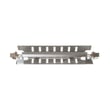
- Defrost system trouble: Frost buildup on the evaporator can choke airflow; common suspects include the refrigerator defrost heater WR51X10055 and the refrigerator defrost bi-metal thermostat WR50X10065.
- Bad temperature sensing: A failing sensor can cause erratic temperatures; see refrigerator temperature sensor WR55X10025.
- Door not sealing: A torn or warped gasket lets warm air in and creates excess frost.
- Set controls to normal (typical targets: 37°F fresh food, 0°F freezer) and allow 24 hours to stabilize.
- Clean condenser coils and confirm the condenser fan runs when the compressor runs.
- Check for heavy frost on the rear freezer panel (a strong clue of a defrost problem).
- Confirm doors close fully and the gasket seals all the way around.
- If water/ice issues are part of the complaint, replace the filter with a GE-branded filter such as refrigerator water filter MWFP and flush the system.
| Symptom | Most likely area to inspect | Common next step |
|---|---|---|
| Warm fridge, freezer OK | Damper/airflow, vents blocked | Clear vents, check damper operation |
| Freezer frosts up, weak airflow | Defrost system | Test heater/bi-metal, defrost manually to confirm |
| Temps swing up and down | Sensor/control | Test/replace sensor, verify airflow |
| Long run times, cabinet warm at sides | Condenser coils/airflow | Clean coils, verify condenser fan |
Cooling issues can push food above safe storage temperatures and also overwork the compressor. Starting with airflow and coil cleaning solves many complaints quickly and helps you avoid replacing parts unnecessarily.
For model-specific operating and care details (including clearances and cleaning guidance), follow the GSL25JGCBLS owner’s manual.
Last updated: January 2026