Owner’s manual
 Error Codes





What is a standard size side-by-side refrigerator?
Most standard side-by-side refrigerators measure about 30 to 36 inches wide, 67 to 70 inches tall, and 29 to 35 inches deep. For your Maytag MSD2651KES, we recommend confirming the exact cabinet and door-swing clearances in the MSD2651KES owner's manual before ordering a replacement or planning an install.
Typical “standard” size ranges
These ranges cover most side-by-side models from Maytag and similar brands:
- Width: 30 to 36 inches
- Height: 67 to 70 inches (often a bit more with hinge caps)
- Depth: 29 to 35 inches (depth increases when you include handles)
- Door clearance: extra space needed on the hinge side to open wider
Installation clearances to plan for
Even if the refrigerator fits the cutout, it still needs breathing room and door swing space. The MSD2651KES installation guidance calls for:
- About 1/2 inch at the top for air circulation
- About 1/2 inch behind the machine compartment cover for airflow
- Additional hinge-side clearance if the unit sits against a wall (helps doors open wider)
- A floor that allows proper leveling (thick flooring can reduce the opening)
Quick planning table
| What you’re measuring | What to include | Why it matters |
|---|---|---|
| Opening width | Cabinet width plus door swing space | Prevents door bind and limited access |
| Opening height | Floor to top, including hinge area | Avoids rubbing and forced fit |
| Opening depth | Cabinet depth plus handles (if applicable) | Keeps doors from sticking out too far |
| Vent clearance | Space behind and above | Helps cooling performance |
Why it matters
Getting the size right prevents poor door sealing, restricted airflow, and installation headaches. Proper clearance also helps the refrigerator run efficiently and maintain stable fresh food and freezer temperatures.
Last updated: February 2026
Is side by side better than a French door?
It depends on how you use your kitchen. A side-by-side like the Maytag MSD2651KES makes freezer items and door bins easy to reach and typically costs less, while French door models usually give you wider, more flexible fresh-food shelving for platters and meal prep.
Quick comparison
- Choose side-by-side if you want easy freezer access, lots of door storage, and a narrower door swing.
- Choose French door if you want wide refrigerator shelves, better space for large trays, and a bottom freezer drawer.
- For either style, good airflow clearance and proper leveling help performance and door sealing (see the MSD2651KES owner's manual).
| Feature | Side-by-side (MSD2651KES style) | French door |
|---|---|---|
| Fresh-food shelf width | Narrower shelves | Wider shelves for platters |
| Freezer access | Eye-level shelves and bins | Pull-out drawer (more bending) |
| Door storage | Usually strong | Usually strong |
| Space in tight kitchens | Often easier (narrower doors) | May need more door swing |
What usually makes one “better”
- Your grocery habits: frozen foods vs. fresh foods
- Kitchen layout: aisle width, island clearance, and door swing
- Organization style: shelves and bins vs. large open shelf space
- Ice and water use: dispenser and ice maker convenience
Why it matters
The “better” choice is the one that fits your space and how you store food. For example, the MSD2651KES installation guidance calls for clearance for air circulation and leveling with a slight tilt back for proper door closure; those basics affect temperature stability and how well the doors seal over time.
Last updated: February 2026
Does anyone make a 30 inch side-by-side refrigerator?
Yes. Several manufacturers make 30-inch-wide side-by-side refrigerators, most commonly in built-in or undercounter styles rather than full-size freestanding models. For fit and ventilation requirements, we recommend confirming your exact opening measurements and required clearances using the MSD2651KES owner's manual.
What “30 inch” usually means (and what to measure)
A “30-inch” refrigerator is typically about 30 inches wide, but the actual cabinet width and the space needed to open doors can vary.
Measure these before you shop:
- Opening width (wall to wall at the front)
- Opening height (floor to cabinet or soffit)
- Opening depth (back wall to front edge of cabinets)
- Door swing clearance (especially hinge side near a wall)
- Ventilation space (top and rear)
Typical clearance guidelines
Your Maytag MSD2651KES installation guidance calls for airflow space at the top and behind the unit; that same idea applies when you switch to a different 30-inch side-by-side.
| Area | Typical minimum clearance | Why it matters |
|---|---|---|
| Top | 1/2 inch | Helps heat escape and improves efficiency |
| Rear | 1/2 inch | Protects compressor airflow and cooling |
| Hinge-side | More if against a wall | Allows doors to open wider |
Common 30-inch side-by-side options
Most 30-inch side-by-side units fall into these categories:
- Built-in (flush look, higher cost, strict ventilation requirements)
- Undercounter (shorter height, smaller capacity)
- Compact apartment-size (limited availability in true side-by-side layouts)
Why it matters
A refrigerator that is “30 inches” on paper can still fail to fit if the opening is tight, the floor covering reduces clearance, or the hinge side is against a wall. Getting the measurements and clearances right prevents door interference, poor cooling, and noisy operation.
Last updated: February 2026
What's the best refrigerator side by side?
The “best” side-by-side refrigerator is the one that fits your kitchen opening, holds steady temperatures, and has the features you will actually use every day. If you already own a Maytag MSD2651KES, the best choice is usually keeping it running efficiently with correct settings and timely part replacement using the MSD2651KES owner's manual.
How we recommend choosing the best side-by-side
Focus on performance and fit first, then convenience features.
- Fit and clearances: Measure your opening and allow airflow space (most installs need about 1/2 inch at the top and some space behind for circulation).
- Temperature control and stability: Look for consistent fresh food and freezer temps; avoid frequent swings.
- Ice and water reliability: If you use ice daily, prioritize a proven ice maker and dispenser design.
- Noise expectations: Newer designs can sound different; many operating sounds are normal.
- Serviceability: Choose a model with readily available parts like an ice maker, evaporator fan motor, and door gaskets.
Quick comparison: what “best” means for most households
| Priority | What to look for | Why it matters |
|---|---|---|
| Fit | Correct width, depth, and door swing clearance | Prevents door interference and poor ventilation |
| Cooling | Stable temps, strong airflow | Keeps food safe and reduces freezer burn |
| Ice/water | Easy filter access, dependable ice maker | Fewer clogs, better daily convenience |
| Efficiency | Good seals, clean condenser area | Lower energy use and better cooling |
If you already have a Maytag MSD2651KES
We recommend starting with setup and maintenance before replacing the refrigerator.
- Set initial temperature controls to a mid setting (many dial-style systems start around “4”).
- Let the refrigerator run 8 to 12 hours before fully loading it.
- Keep doors closing tightly; replace worn seals when you see gaps or heavy frost.
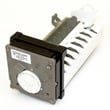
- If ice production is unreliable, the refrigerator ice maker D7824706Q is a common repair item on this model.
- If cooling is weak or noisy, evaporator fan issues are common; use how to fix your evaporator cooling fan for diagnosis steps.
Why it matters
A side-by-side that fits correctly and maintains stable temperatures will preserve food longer, waste less energy, and avoid common issues like warm fresh food, frost buildup, and slow ice production.
Last updated: February 2026
How do I reset the icemaker on a Maytag fridge?
On Maytag model MSD2651KES, the ice maker is typically “reset” by turning it OFF and back ON using the shutoff arm, then allowing time for a new harvest cycle. If you still have no ice, a quick power reset (unplug for 1 minute, then restore power) also helps reinitialize the controls.
Quick reset steps (most common)
- Lift the ice maker wire shutoff arm to the OFF position.
- Empty the ice bin (old cubes can jam the mechanism).
- Wait 30 seconds.
- Lower the wire shutoff arm to the ON position.
- Close the freezer door fully.
- Give the unit time to cycle; discard the first 3 harvests after a restart.
For the exact ice maker location and shutoff arm details for your configuration, use the MSD2651KES owner's manual.
If it still will not make ice
These checks fix most “no ice” complaints on side-by-side refrigerators:
- Confirm the freezer door is closing completely (door ajar stops dispensing and can affect ice production).
- Make sure the household water supply valve is fully open.
- Check for kinked copper tubing behind the refrigerator.
- Replace a clogged filter or install the bypass if your model uses a filter.
- Verify freezer temperature is cold enough for ice production.
Common symptoms and what they point to
| Symptom | Most likely cause | What to do next |
|---|---|---|
| No ice at all | Shutoff arm up, no water supply | Lower arm; open supply valve |
| Small or malformed cubes | Low water pressure, clogged filter | Check pressure; change filter |
| Ice maker runs but no fill | Water not reaching valve, line kink | Inspect line; correct kinks |
When a part is the fix
If the ice maker will not cycle even after the reset and water supply checks, replacement is a standard repair for this model. Use the refrigerator ice maker D7824706Q when you need the complete ice maker assembly.
Why it matters
A proper reset clears simple shutoff and bin-jam issues, while the follow-up checks (door closure, water supply, filter flow, freezer temperature) target the exact conditions the ice maker needs to harvest and refill reliably.
Last updated: February 2026
What is the average lifespan of a Maytag refrigerator?
Most Maytag refrigerators, including the Maytag MSD2651KES side-by-side, typically last 10 to 15 years with normal household use. With consistent cleaning, correct temperature settings, and timely part replacement (like a fan motor or thermostat), many units reach the upper end of that range.
Typical lifespan and what affects it
A refrigerator’s life is mostly driven by compressor run time, airflow, and door sealing.
- Maintenance: clean condenser area, keep vents clear, replace worn gaskets
- Usage: frequent door openings and warm kitchens increase run time
- Temperature settings: overly cold settings can stress the sealed system
- Water and ice use: heavy ice maker use adds wear to ice and water components
- Repairs done early: replacing a failing fan or start device prevents bigger failures
Quick guide: repair vs replace by age
| Refrigerator age | What we typically recommend | Why |
|---|---|---|
| 0 to 5 years | Repair almost always makes sense | Most parts are still in their prime |
| 6 to 10 years | Repair common failures | Good value if cooling is strong |
| 11 to 15 years | Repair if it’s a single, clear issue | Multiple failures can start stacking |
| 16+ years | Replace if cooling or compressor issues appear | Sealed-system repairs are costly |
Parts that commonly extend service life
If your MSD2651KES is warming up, noisy, or icing over, these are common wear items that often restore normal operation:
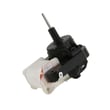
- Evaporator motor WPW10128551 (keeps cold air moving through the compartments)
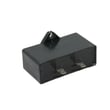
- Refrigerator start device W10613606 (helps the compressor start and run reliably)
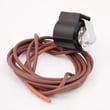
- Refrigerator thermostat WP627985 (helps regulate temperatures)
- Refrigerator door gasket W10133491 (prevents warm air leaks and frost buildup)
Why it matters
Once a refrigerator starts running longer to hold temperature, energy use goes up and food quality goes down. Catching airflow problems (evaporator fan), temperature control issues (thermostat), or air leaks (door gasket) early is the simplest way to hit that 10 to 15 year lifespan.
For model-specific care and operating guidance, follow the maintenance and troubleshooting steps in the MSD2651KES owner's manual.
Last updated: February 2026
What is the most common problem with a Maytag refrigerator?
Cooling performance is the most common Maytag refrigerator complaint; on the Maytag MSD2651KES, it usually shows up as the fresh food section not cold enough, the freezer warming up, or items freezing in the refrigerator. The most frequent causes are airflow restrictions, dirty condenser coils, and doors not sealing or closing correctly (all covered in the MSD2651KES owner's manual).
Quick checks we recommend first
- Make sure vents inside both compartments are not blocked by food packages.
- Avoid overcrowding shelves; poor air circulation makes the refrigerator run longer.
- Confirm doors close fully; check for bins, drawers, or containers preventing closure.
- Clean the door gaskets regularly so they seal properly.
- Give the refrigerator time to stabilize after long door openings or adding warm food.
- If cabinet surfaces feel warm at the front, that is normal and helps prevent condensation.
Common symptoms and the most likely causes
| Symptom | Most common cause | What to do next |
|---|---|---|
| Fridge not cold enough | Dirty condenser coils, blocked airflow, control settings | Clean coils; clear vents; verify temperature settings in the manual |
| Freezer not cold enough | Airflow issue, evaporator fan problem, door not sealing | Check for frost buildup and listen for the fan; inspect gasket seal |
| Food freezing in fresh food section | Control settings too cold, airflow aimed at items | Adjust settings; move items away from vents |
| Noisy operation | Fan blade hitting ice, fan motor wear, normal run sounds | Inspect for ice obstruction; consider fan service |
Parts that commonly relate to these problems
If troubleshooting points to a failed component, these model-matched parts are common fixes:
- Evaporator motor WPW10128551 (moves cold air through the compartments)
- Evaporator fan blade WP2169142 (can crack or rub if iced up)
- Refrigerator thermostat WP627985 (can cause temperature swings if it fails)
- Refrigerator door gasket W10840101 (air leaks cause warm temps and longer run times)
Why it matters
Most “not cooling” complaints start with airflow and sealing issues, not major sealed-system failures. Fixing blocked vents, dirty coils, or a poor door seal restores stable temperatures, reduces run time, and helps prevent food spoilage.
Last updated: February 2026