Owner’s manual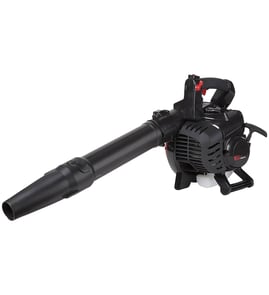




Why are gas-powered leaf blowers bad?
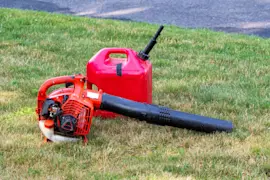
Gas-powered leaf blowers (including Craftsman model 358797920) are considered “bad” mainly because they create exhaust emissions, high noise, and can blow dust and debris into the air. They also require careful fuel handling and safe operation to reduce exposure and injury risk (see the owner's manual).
- Air pollution: 2-cycle engines can produce noticeable exhaust; using the blower in enclosed or poorly ventilated areas increases risk from fumes.
- Noise: Gas blowers are typically louder than electric options, which can be disruptive in neighborhoods.
- Dust and debris clouds: The airflow can kick up dirt, sand, and small rocks that can irritate lungs and eyes.
- Safety hazards: Debris can be thrown at high speed; the manual stresses directing debris away from people, animals, glass, and solid objects.
- Fire and burn risk: Hot engine and muffler areas plus dry debris can create fire risk if used near open flames or smoldering material.
The operator guidance for this Craftsman gas blower focuses on reducing the most common risks:
- Operate outdoors and avoid unventilated areas where carbon monoxide can build up.
- Keep bystanders at least 30 feet away.
- Wear eye protection; a dust mask or respirator is also recommended when conditions are dusty.
- Never place objects inside the blower tubes; rocks and sticks can ricochet.
- Stop the engine and disconnect the spark plug before clearing clogs or doing maintenance.
| Factor | Gas leaf blower | Electric leaf blower |
|---|---|---|
| Emissions | Produces exhaust | No on-tool exhaust |
| Noise | Typically louder | Typically quieter |
| Run time | Refuel and keep going | Corded unlimited; battery limited |
| Maintenance | Fuel mix, carburetor upkeep | Less engine maintenance |
Most complaints about gas-powered leaf blowers come down to air quality, noise, and airborne debris. Using the correct operating position, PPE, and safe distances reduces risk and makes the tool more tolerable to use around homes.
Last updated: February 2026
What is the life expectancy of a gas leaf blower?
A gas leaf blower like the Craftsman 358797920 typically lasts about 8 to 10 years with normal homeowner use and routine maintenance. Heavy use, old fuel, and neglected air filtration shorten life; clean fuel and regular tune-ups extend it (see the owner's manual).
Most gas blowers fall into these ranges:
| Usage pattern | Typical life expectancy | What usually ends the blower’s life |
|---|---|---|
| Occasional homeowner use | 10+ years | Fuel system varnish, cracked fuel lines |
| Regular seasonal use | 8 to 10 years | Carburetor wear, compression loss |
| Commercial or daily use | 2 to 5 years | Accelerated engine wear, vibration damage |
These steps have the highest impact on longevity for a 2-cycle engine blower:
- Mix fresh, correct 2-cycle fuel and avoid storing fuel in the tank for long periods.
- Clean or replace the air filter on schedule.
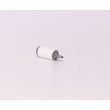
- Inspect and replace brittle fuel lines and the fuel filter when starting becomes inconsistent.
- Keep cooling air passages and the intake area clear of debris.
- Check fasteners and housings for looseness from vibration.
- Store the blower dry and clean at the end of the season.
On gas blowers, “end of life” is often a few inexpensive wear items that were ignored too long. Common culprits include:
- Fuel line and primer line issues (a common fix is a new line kit 530069247)
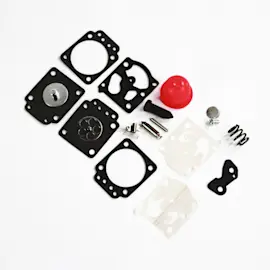
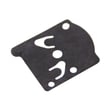
- Carburetor diaphragm and gasket problems (hard starting, surging, won’t idle)
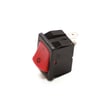
- Ignition stop/kill switch faults (no spark or intermittent shutoff)
- Starter rope wear (fraying, slipping, or breaking)
A blower that is maintained and stored correctly usually fails gradually (hard starting, running rough, fuel leaks) instead of suddenly. Catching fuel-system and air-flow issues early helps prevent lean running, overheating, and premature engine wear.
Last updated: February 2026
Are gas leaf blowers being phased out?
Gas leaf blowers are not universally being phased out, but many U.S. cities and states are restricting or banning gas-powered blowers due to noise and emissions. Your Craftsman model 358797920 can still be used where allowed; always follow local rules and the safety guidance in the owner's manual.
Restrictions vary by location, but the trend is toward limiting small gas engines in residential areas.
- Some areas ban gas blowers outright.
- Some allow them only during certain hours or seasons.
- Some restrict commercial use more than homeowner use.
- Enforcement is typically local (city or county ordinances).
- The main drivers are noise complaints and air-quality goals.
We recommend checking your local ordinance first, then deciding whether to keep, limit, or replace your gas blower.
| Situation | What it usually means for a gas blower like 358797920 |
|---|---|
| No local restriction | You can keep using it normally with proper maintenance |
| Time-of-day limits | Use only during permitted hours |
| Seasonal limits | Use during allowed months only |
| Full ban | Switch to an electric alternative for compliance |
Good maintenance reduces smoke, hard starting, and fuel issues (and makes the blower more pleasant to run).
- Use fresh, correctly mixed 2-cycle fuel (per the manual’s fuel-mix guidance).
- Inspect fuel lines for cracking and leaks; replace as needed.
- Keep the kill switch working reliably; a failing switch can create a safety issue.
- Replace worn fuel line components with the correct parts.
- Store the blower properly between seasons to prevent carburetor problems.
Helpful parts for common fuel and control issues include the line kit 530069247 and the switch 530069572.
Local restrictions can affect when or whether you can use a gas blower, and good upkeep helps your 2-cycle engine run cleaner and more reliably. For safe operation steps (including stopping the engine and disconnecting the spark plug before service), follow the owner's manual.
Last updated: February 2026
Which brand of gas leaf blower is best?
For most homeowners, the “best” gas leaf blower brand is the one that fits your yard size, starts reliably, and has easy-to-get replacement parts. Craftsman models like 358797920 are a strong choice for value and serviceability; premium brands often win on power and long-term durability.
We recommend comparing brands using the same real-world factors you will notice every season:
- Starting and idle quality (cold starts, stable idle, no stalling)
- Power for your job (CFM for volume, MPH for stubborn debris)
- Vibration and comfort (handle design, balance, weight)
- Parts availability (fuel lines, carburetor parts, switches)
- Maintenance needs (air filter access, spark plug access, fuel system service)
For Craftsman 358797920 specifically, the operator manual describes it as a high-performance blower with features like a vibration-dampened handle and convenient upright storage; check the owner's manual for operating and maintenance details.
| If you care most about | What to prioritize | What you will replace most often |
|---|---|---|
| Easy ownership | Simple maintenance, common parts | Fuel lines, carburetor gaskets, switch |
| Maximum performance | Higher CFM/MPH, strong engine | Wear items plus occasional carburetor service |
| Lowest hassle | Good storage practices, fresh fuel mix | Fewer repairs overall |
Gas blowers commonly develop fuel-related issues after storage (hard starting, surging, leaking). Choosing a brand with good parts coverage keeps the tool running for years instead of being replaced.
If your blower runs rough or will not start, these model-relevant parts are often involved:
- Line kit 530069247 (fuel line replacement is a common fix)
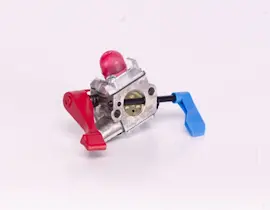
- Carburetor 530069844 (diaphragm and gasket kit for fuel delivery issues)
- Switch 530069572 (kill switch problems can mimic “no start”)
- For small to medium yards, a reliable handheld blower with good parts support is usually the best value.
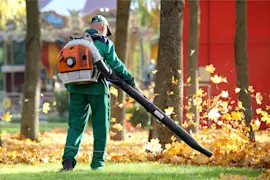
- For large properties or heavy leaf loads, a higher-output unit (often backpack style) is typically the best choice.
Last updated: February 2026