Owner’s manual


What's the average price of an LG dryer?
LG dryers typically average about $600 to $2,000+, with price driven mostly by capacity, steam features, and whether the dryer is gas or electric. For the LG DLEX3001W, the DLEX3001W owner's manual confirms a 7.4 cu. ft. capacity, which is common in mid to higher priced models.
- Fuel type: gas models often cost more than comparable electric models
- Capacity: larger drums (like 7.4 cu. ft.) usually cost more than compact units
- Steam features: steam cycles and steam options typically raise the price
- Sensors and controls: moisture sensing and advanced cycle options add cost
- Finish and styling: specialty colors and premium trim can increase price
| LG dryer type | Typical price range | Best fit for |
|---|---|---|
| Basic electric (no steam) | $600 to $900 | Budget focused, simple cycles |
| Mid-range (sensor dry, larger capacity) | $900 to $1,300 | Most households |
| Premium (steam, advanced options) | $1,300 to $2,000+ | Heavy use, feature focused |
- Match features to your laundry habits (steam is most useful for wrinkles and refresh cycles).
- Compare capacity to your washer size; oversized dryers help bulky loads dry evenly.
- Budget for installation items (venting, cord, gas connector if applicable).
- If your current dryer needs repair, compare the cost of common wear parts (belt, rollers, idler) to replacement cost.
Dryer pricing is mostly about performance and convenience features, not just brand. Knowing your capacity (the DLEX3001W is 7.4 cu. ft.) helps you compare like for like so you do not overpay for features you will not use.
Last updated: January 2026
What does E1 mean on a LG dryer?
On LG dryer model DLEX3001W, an E1 code points to a problem the dryer is detecting with operation, most often related to sensing or airflow conditions. We recommend stopping the cycle, unplugging the dryer briefly, then checking airflow and sensor-related basics before restarting; see the DLEX3001W user manual for the model’s display messages and operating checks.
- Press Power to stop the cycle.
- Unplug the dryer for 1 to 5 minutes, then plug it back in to reset the control.
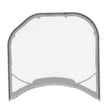
- Clean the lint screen and confirm the lint screen housing is seated correctly.
- Check the vent path for restrictions (crushed duct, heavy lint buildup, blocked exterior hood).
- Try a Timed Dry cycle for 10 to 15 minutes to see if the code returns.
Your DLEX3001W includes LG’s FlowSense duct/filter blockage sensing system; restricted exhaust flow can cause abnormal temperatures and moisture readings that lead to error conditions.
- Lint screen: clean every load
- Exhaust duct: use heavy metal venting; avoid plastic or thin foil duct
- Moisture sensing: wipe the sensor bars inside the drum with rubbing alcohol if cycles end early or behave erratically
| What you notice | Most likely area | What we recommend |
|---|---|---|
| Long dry times, hot cabinet, code returns | Vent restriction | Inspect and clean ducting; confirm strong airflow outside |
| Cycle stops or behaves oddly on sensor cycles | Moisture sensing | Clean sensor bars; test with Timed Dry |
| Dryer runs but heat seems inconsistent | Temperature sensing | Check for airflow issues first; then consider sensor/thermostat testing |
If airflow is clear and the code keeps returning, a failed sensor can be the cause.
- Dryer thermistor AGM30045804 (temperature sensing input)
- Dryer moisture sensor 6500EL3001A (moisture detection for Sensor Dry cycles)
Continuing to run a dryer with restricted airflow or a bad temperature sensor can cause overheating, repeated shutdowns, and poor drying performance. Fixing airflow first also prevents unnecessary part replacement.
Last updated: January 2026
What is the capacity of the LG DLEX3001W?
The LG DLEX3001W dryer has a 7.0 cu. ft. drum capacity, which is a full-size 27-inch class dryer built for larger loads like towels, bedding, and mixed laundry. For cycle options and operating details, use the DLEX3001W owner's manual.
A 7.0 cu. ft. capacity is full-size for an LG electric dryer and typically supports:
- A full mixed load of everyday clothing
- Multiple bath towels in one cycle
- Bedding that needs room to tumble for airflow
- Better tumbling space to help reduce wrinkles and improve drying consistency
| Load type | How it usually fits in 7.0 cu. ft. | Best practice |
|---|---|---|
| Everyday mixed load | Easily | Leave space for tumbling |
| Towels | Easily | Shake towels out before loading |
| Bedding/comforter | Usually fits | Do not pack tightly |
| Small loads | Fits (less efficient) | Use lower heat or timed dry |
Capacity directly affects airflow and sensor performance. Overloading restricts airflow and can leave clothes damp; underloading can make sensor cycles end early or run less efficiently.
- Clean the lint screen before every load
- Avoid overfilling; clothes should tumble freely
- Use Sensor Dry for mixed loads; use Timed Dry for very small loads
- If dry times increase, check for vent restrictions and confirm the vent setup described in the manual
Last updated: January 2026
What is the most common problem with LG dryers?
The most common problem we see with LG dryers like model DLEX3001W is restricted airflow (lint filter, vent duct, or outside hood). Poor airflow causes long dry times, overheating, and shutoffs; it can also trigger the dryer’s duct blockage sensing features.
- Clean the lint screen before every load; wash it with warm water if you see residue that blocks airflow.
- Inspect the vent hose behind the dryer for kinks, crushing, or excessive length.
- Check the outside vent hood for a stuck flap, lint buildup, or a bird screen that is clogging.
- Run a timed dry cycle and confirm you have strong airflow outside.
- If drying is still slow, clean the entire vent run from the dryer to the exterior.
| Symptom | Most common cause | Next best step |
|---|---|---|
| Clothes take too long to dry | Vent restriction | Clean vent path end-to-end |
| Dryer shuts off or seems too hot | Airflow restriction or thermostat issue | Verify venting; then test safety thermostats |
| Dryer runs but no heat | Power supply (electric), gas supply (gas), or heating circuit issue | Follow troubleshooting steps in the manual |
| Thumping/squealing noise | Worn belt, idler, or rollers | Inspect drum support system |
If airflow is good but performance or noise is still off, these parts are frequent culprits on dryers:
- Dryer thermistor AGM30045804 (temperature sensing; can affect heat control)
- Dryer moisture sensor 6500EL3001A (can end cycles early or leave loads damp)
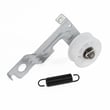
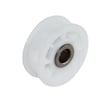
- Dryer drum belt 4400EL2001F and idler pulley (can slip or squeal)
- Drum support rollers (can rumble or thump)
- High-limit thermostat (can open if overheating occurs)
Restricted airflow is the root cause behind many “dryer not drying” complaints because the heater can only work correctly when the dryer can exhaust moisture and heat. Fixing venting first often restores normal dry times and helps prevent repeat overheating issues.
For model-specific cleaning and troubleshooting steps, we follow the DLEX3001W owner’s manual.
Last updated: January 2026