 Installation guide
 Owner’s manual



What is the capacity of the Maytag MDE4806AYW?
The Maytag MDE4806AYW dryer has a 6.0 cu. ft. drum capacity, which is considered an oversize capacity for a 27-inch electric dryer. For cycle details and loading guidance, use the MDE4806AYW owner's manual.
What 6.0 cu. ft. means for everyday loads
A 6.0 cu. ft. dryer is designed to handle typical family loads without overpacking the drum.
- Full bath towel loads dry more evenly when you leave room for tumbling
- Queen bedding usually fits best when dried one item at a time (especially comforters)
- Jeans and heavy cottons dry faster when you avoid tightly packed loads
- Mixed fabrics benefit from sorting by weight (lightweight vs. heavyweight)
Quick capacity guide (practical)
Use this as a simple rule-of-thumb for a 6.0 cu. ft. drum.
| Load type | Recommended fill level | Notes |
|---|---|---|
| Everyday mixed laundry | About 1/2 to 2/3 full | Best airflow and fewer wrinkles |
| Towels | About 2/3 full | Avoid “balling up” for faster drying |
| Bulky items (comforter/jacket) | 1 item at a time | Prevents thumping and damp spots |
Why it matters
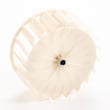
Capacity affects drying time, energy use, and wear on parts. Overloading reduces airflow and can increase heat stress, which can contribute to issues like longer dry times and extra strain on the blower system and temperature sensing.
Related tip for better drying performance
If drying times seem long even with proper loading, check venting setup and restrictions in the MDE4806AYW installation guide.
Last updated: February 2026
Why is my Maytag Bravos XL dryer not drying?
If your Maytag dryer (model MDE4806AYW) runs but clothes stay damp, the most common causes are restricted airflow in the exhaust vent, an overloaded drum that cannot tumble well, or a heating problem. Start with venting and load size, then move to heat checks using the owner's manual.
Quick checks that fix most “not drying” complaints
- Clean the lint screen before every load; a clogged screen reduces airflow.
- Confirm the outside vent hood opens fully while the dryer runs.
- Shorten and straighten the vent run; keep the exhaust duct as short as possible.
- Rewash or re-spin clothes if they come out of the washer overly wet.
- Reduce load size; overloading restricts tumbling and causes uneven drying.
- For bulky items (blankets, comforters), pause and reposition the load mid-cycle.
Venting rules that matter on this model
Your installation instructions call out two key points: secure joints with clamps or duct tape, and do not use sheet metal screws that protrude into the duct because they can catch lint and reduce efficiency.
| Vent detail | Best practice | What it prevents |
|---|---|---|
| Duct length | Keep it as short as possible | Long dry times |
| Joint fastening | Clamps or duct tape | Lint catching on fasteners |
| Old ducting | Clean or replace before install | Hidden blockages |
If your dryer is in a tight spot, a directional vent kit can help routing; for this model, see the exhaust kit WP528P3.
When airflow is good but there is still no heat
If the drum tumbles and airflow is strong but there is little or no heat, focus on the heating and temperature-control parts. On this model, common suspects include:
- Heating element
- Operating thermostat
- Thermistor
A failed temperature-sensing part can cause low heat or cycling issues; the dryer thermistor WP31001590 is one example of a temperature-sensing component used on this dryer.
Why it matters
Drying performance depends on two things working together: heat and airflow. Even with a good heating element, a restricted vent traps moist air and makes cycles run long or leave clothes damp.
Last updated: February 2026
How many years should a Maytag dryer last?
A Maytag dryer like model MDE4806AYW typically lasts 10 to 15 years with normal household use. Keeping airflow strong (clean lint screen, clear venting) and fixing wear items early helps many dryers reach the high end of that range.
Typical lifespan and what affects it
Most electric dryers wear based on heat, airflow restriction, and drum support wear. These factors have the biggest impact:
- Vent length and restrictions (long runs, crushed flex duct, clogged hood)
- Lint control (cleaning the lint screen every load)
- Load size (overloading strains the motor, belt, rollers)
- Heat cycling (restricted airflow overheats components)
- Routine cleaning (cabinet and exhaust system maintenance)
Maintenance that helps your dryer last longer
Your MDE4806AYW manual calls out regular care, including inspecting and cleaning the exhaust system about once a year for best performance. Use the maintenance schedule below as a practical baseline.
- Clean the lint screen every load
- Inspect and clean the dryer exhaust system yearly
- Keep the exhaust duct as short as possible and avoid fasteners that protrude into the duct
- Level the dryer to reduce vibration and drum wear
- Address new noises quickly (squeal, thump, scraping)
Quick schedule
| Task | How often | Why it matters |
|---|---|---|
| Clean lint screen | Every load | Prevents airflow loss and overheating |
| Check vent airflow at outside hood | Monthly | Catches clogs early |
| Clean/inspect exhaust ducting | Yearly | Maintains drying speed and reduces heat stress |
| Wipe drum and cabinet | As needed | Prevents residue transfer and corrosion |
Parts that commonly wear as dryers age
If your dryer still heats but gets noisy, vibrates, or takes longer to dry, these wear parts are common culprits:
- Dryer drum support roller WP37001042 (rumbling or thumping)
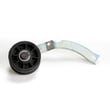
- Dryer idler assembly WP37001287 (squealing, belt tension issues)
- Dryer lint screen WP37001142 (poor lint capture, airflow issues)
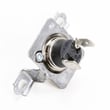
- Dryer operating thermostat WP694674 (temperature regulation problems)
Why it matters
A dryer that is slow to dry usually runs longer per load; that extra runtime accelerates wear on the motor, drum rollers, and temperature controls. Good venting and basic upkeep often add years of service life.
For model-specific care steps and venting guidance, follow the owner's manual and the installation guide.
Last updated: February 2026





